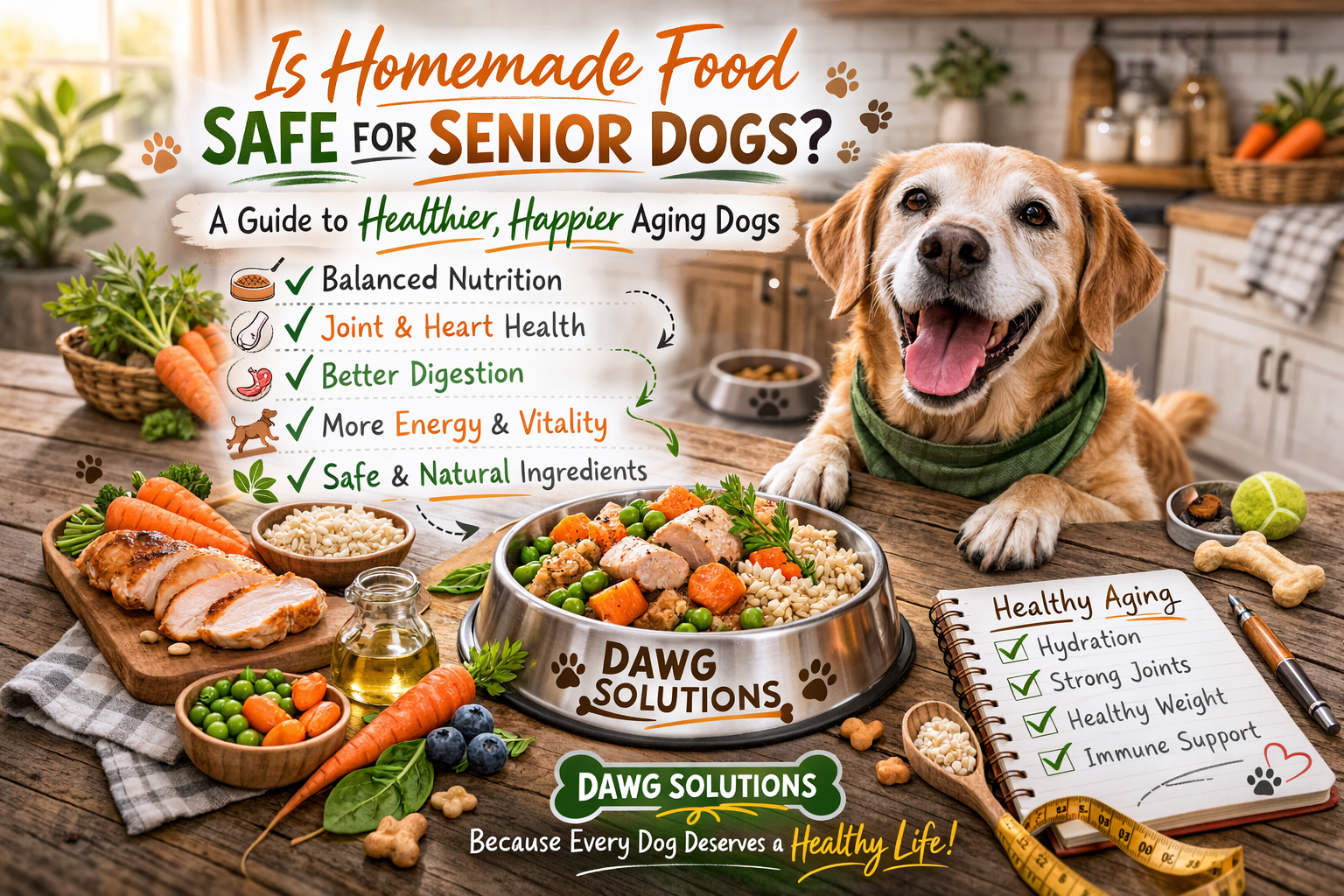
Is homemad food safe for senior dogs might be something you have thought about. We are going to learn from my own experience with Aussie what I learned about homemade food for older dogs.
Affiliate Disclosure
Amazon + Friends
Affiliate Disclosure: Some of the links on this website may be affiliate links. This means that if you click a link and make a purchase, I may earn a small commission at no extra cost to you. These commissions help support 65 Plus Life and Boomer Biz HQ, and Dawg Solutions. so I can continue creating free resources for older adults.
Amazon Disclosure: As an Amazon Associate, I earn from qualifying purchases. Any Amazon links used throughout this website may earn a commission when you purchase through them.

Thank you for supporting my work — it truly means a lot.
Jeff
Is Homemade Food Safe for Senior Dogs?
My Journey with Aussie
When my dog Aussie started showing signs of aging — the grey muzzle, the slower steps, the little stiffness after naps — I found myself paying a lot closer attention to what was going into his bowl.
Like many senior dog owners, I started wondering…
Would homemade food be healthier for him?
Was his regular kibble still the best choice?
And most importantly — is homemade food actually safe for senior dogs?
So I did what any concerned dog parent would do — I started researching. A lot.
What Prompted My Research
Aussie wasn’t sick, but he was clearly entering his senior years. His mobility wasn’t quite what it used to be, and I noticed he seemed a bit less enthusiastic at mealtime some days.
That got my wheels turning.
I kept seeing posts online about homemade dog food being “more natural” and “better for aging dogs.” It sounded promising… but also a little risky if done wrong.
Because here’s the truth I quickly discovered:
Homemade dog food can be very healthy
But it can also be nutritionally incomplete — or even harmful — if you’re not careful
And senior dogs like Aussie have different nutritional needs than younger pups.
Why Safety Matters More for Senior Dogs
As dogs age, their bodies change in ways that make proper nutrition even more important:
- Slower metabolism
- Possible kidney or joint issues
- More sensitive digestion
- Greater need for balanced nutrients
What works for a young, active dog doesn’t always work for a senior.
That’s why before I even thought about switching Aussie to homemade meals, I wanted real answers about safety, balance, and what senior dogs actually need to thrive.
Pros and Cons of Homemade Food for Senior Dogs
Homemade Recipes
After digging deep into homemade dog food while caring for Aussie, I learned something important:
Homemade meals can be wonderful for senior dogs — but only when done correctly.
Before you consider making the switch, here’s a clear, honest look at the benefits and the risks.
Pros of Homemade Food for Senior Dogs
1. You Control the Ingredients
One of the biggest advantages I noticed while researching for Aussie is simple — you know exactly what’s going into your dog’s bowl.
With homemade food, you can:
- Avoid fillers and artificial additives
- Choose high-quality proteins
- Adjust ingredients for sensitivities
- Skip ingredients your senior dog struggles with
For aging dogs with food allergies or sensitive stomachs, this can be a real game-changer.
2. Easier to Customize for Senior Needs
Senior dogs often need dietary adjustments. Homemade meals make it easier to tailor food for issues like:
- Joint support
- Weight management
- Kidney concerns
- Dental problems (softer foods)
When I thought about Aussie’s slight mobility slowdown, this flexibility was especially appealing.
3. Often More Appealing to Picky Senior Dogs
Let’s be honest — many older dogs get pickier.
Fresh, warm homemade food can be:
- More aromatic
- Softer to chew
- More enticing at mealtime
Many senior dog owners report improved appetite after switching — though results vary by dog.
4. Better Moisture Content
Most homemade meals naturally contain more moisture than dry kibble.
This can help support:
- Hydration
- Kidney health
- Easier digestion
For some seniors, that extra moisture is a quiet but meaningful benefit.
Cons of Homemade Food for Senior Dogs
Now for the part many articles gloss over — the risks. During my research for Aussie, these were the areas that made me slow down and be cautious.
1. Risk of Nutritional Imbalance
This is the biggest concern.
Dogs — especially seniors — require very specific levels of:
- Calcium
- Phosphorus
- Essential fatty acids
- Vitamins and trace minerals
Many homemade recipes online are not nutritionally complete.
An unbalanced diet over time can lead to:
- Bone problems
- Muscle loss
- Organ stress
- Worsening of age-related conditions
This was the number one reason I realized you can’t just “wing it.”
2. Time and Preparation Commitment
Homemade dog food takes real effort.
You’ll need to:
- Shop regularly
- Cook in batches
- Portion correctly
- Store safely
For some busy pet parents, this becomes hard to maintain long-term.
3. Can Be More Expensive
Depending on ingredients, homemade meals can cost more than quality senior kibble.
Costs can add up with:
- Fresh proteins
- Supplements
- Special ingredients for senior support
It’s worth budgeting before making the switch.
4. Requires Veterinary or Nutrition Guidance
This was one of my biggest takeaways while researching for Aussie:
The safest homemade diets are formulated with professional guidance.
Without proper formulation, even well-intentioned homemade meals can miss critical nutrients senior dogs need.
Jeff Shares Homemade Food For Senior Dogs
What I learned while researching for Aussie is this:
Homemade food can absolutely be safe and beneficial for senior dogs — but it’s not automatically better just because it’s homemade.
Done right, it can support your senior dog beautifully.
Done wrong, it can create nutritional gaps that show up slowly over time.
How to Make Homemade Food Safe for Your Senior Dog
Better Nutritional Needs Of Senior Dogs
When I was researching homemade meals for Aussie, one thing became crystal clear:
Safety isn’t about good intentions — it’s about proper balance.
If you’re considering homemade food for your senior dog, these steps can help you do it the right way from the start.
1. Talk With Your Veterinarian First
Before changing your senior dog’s diet, a quick check-in with your vet is one of the smartest moves you can make.
Senior dogs often have underlying issues that affect their nutritional needs, such as:
- Kidney changes
- Joint problems
- Weight concerns
- Dental issues
- Digestive sensitivity
When I looked into this for Aussie, I realized that what works for one senior dog may not be right for another.
Your vet can help you:
- Review your dog’s current health
- Flag any diet restrictions
- Recommend calorie targets
- Suggest whether homemade food is appropriate
This step alone can prevent a lot of guesswork.
2. Use a Vet-Approved or Nutritionist-Formulated Recipe
This is the most important safety rule.
Many recipes you find online are not nutritionally complete for long-term feeding — especially for senior dogs.
Look for recipes that are:
- Formulated by a veterinary nutritionist
- Designed for senior dogs (or adjustable for seniors)
- Complete and balanced for daily feeding
- Clear about portion sizes
During my research for Aussie, I quickly learned that “looks healthy” and “is nutritionally complete” are two very different things.
3. Don’t Skip the Supplements
Here’s something that surprised me when I was digging into homemade diets for Aussie:
Most homemade dog meals need supplements.
Common nutrients that are often lacking include:
- Calcium
- Vitamin D
- Omega-3 fatty acids
- Iodine
- Zinc
Even high-quality whole foods usually don’t provide the precise balance senior dogs require.
Important
Never add supplements randomly — follow the exact amounts in your formulated recipe.
Too little can cause deficiencies.
Too much can create toxicity issues.
4. Measure Portions Carefully
Senior dogs are especially sensitive to weight changes.
Overfeeding can worsen:
- Joint strain
- Mobility issues
- Heart stress
Underfeeding can lead to:
- Muscle loss
- Low energy
- Nutritional deficiencies
When I thought about Aussie’s slowing metabolism, this step really stood out to me.
Use:
- A kitchen scale when possible
- Consistent portion sizes
- Regular weight checks
Small adjustments over time are normal as your dog ages.
5. Practice Safe Food Handling and Storage
Homemade dog food is fresh food — which means food safety matters.
Follow these basics:
- Cook meats thoroughly
- Avoid cross-contamination
- Refrigerate promptly
- Freeze batch portions
- Discard food that smells off
For Aussie, batch cooking and freezing portions would be my go-to approach to keep things both safe and convenient.
6. Transition Slowly
Never switch a senior dog’s food overnight.
A gradual transition helps prevent digestive upset.
A typical transition schedule:
- Days 1–3: 25% new food, 75% old food
- Days 4–6: 50/50
- Days 7–9: 75% new food
- Day 10+: fully switched (if tolerated)
Watch for:
- Loose stool
- Vomiting
- Loss of appetite
- Excess gas
If Aussie showed any of these, I’d slow the transition down.
Senior Dog Parents Tips
Understanding Aging Dogs
After researching all this for Aussie, here’s where I landed:
Homemade food can be a fantastic option for senior dogs — but only when it’s done with care, balance, and proper guidance.
If you’re willing to:
✔ Follow a formulated recipe
✔ Measure carefully
✔ Work with your vet
✔ Stay consistent
…then homemade meals can absolutely be done safely.
Homemade Healthy Dog Food Cookbook
Kindle Edition
A Quick Note About the Ebooks We Share
You may notice that we occasionally recommend helpful ebooks within our articles.
Many of these titles are available free to read for Kindle Unlimited members as part of their subscription. When readers choose to read these included ebooks through Kindle Unlimited, we do not earn any commissions from anyone taking advantage of this ebook who is a Kindle Unlimited Member.
We share these resources because we believe they can be genuinely helpful for dog parents doing their research — just like I did when I was learning what was best for Aussie.
As always, we encourage you to:
- Do your own research
- Consult your veterinarian
- Choose what works best for your unique senior dog
If you’ve been thinking about preparing homemade meals for your dog — especially a senior like my Aussie — this cookbook is definitely worth a closer look.
Like many dog parents, I went down the rabbit hole researching homemade food safety. One thing became obvious fast: having a structured, well-balanced recipe source matters. That’s where this book aims to help.
What This Cookbook Promises
Homemade Healthy Dog Food Cookbook: 120+ Clean, Easy & Nutritious Vet-Approved, Anti-Inflammatory, Allergy-Friendly Recipes for a Joyous Pet with a 30-Day Plan to Reset Your Pup’s Health positions itself as a practical guide for owners who want to move beyond kibble and into fresher, cleaner meals.
Key highlights include:
- 120+ homemade dog food recipes
- Focus on anti-inflammatory ingredients
- Allergy-friendly meal ideas
- Step-by-step preparation guidance
- A structured 30-day reset plan
For senior dog parents, the anti-inflammatory focus is especially appealing, since aging dogs like Aussie often deal with joint stiffness and mobility changes.
What I Like
Beginner-friendly approach
The recipes are written in a way that doesn’t feel intimidating. If you’re new to homemade dog food, the instructions are generally easy to follow and practical for everyday kitchens.
Variety of recipes
With over 120 recipes, there’s plenty of rotation to help prevent mealtime boredom — something many senior dogs struggle with.
Focus on cleaner ingredients
The emphasis on whole foods and fewer processed ingredients aligns with what many health-conscious pet owners are looking for.
Helpful 30-day plan
For readers who like structure, the included reset plan can provide a helpful starting framework rather than guessing where to begin.
Things to Keep in Mind
I always want Dawg Solutions readers to have the full picture.
“Vet-approved” doesn’t replace your own vet
Even though the book promotes vet-approved recipes, every senior dog is different. Aussie’s needs, for example, may not match another dog’s exactly. It’s still smart to run any major diet change past your veterinarian.
Supplement guidance matters
As I discovered researching homemade diets for Aussie, many homemade meals require precise supplementation. Readers should double-check that recipes provide complete nutrition for long-term feeding.
Time commitment is real
Like any homemade dog food plan, this approach requires:
- Meal prep time
- Consistent portioning
- Proper storage
This isn’t a dump-and-go feeding method.
A Nice Bonus for Kindle Unlimited Members
One thing many readers appreciate:
Kindle Unlimited members can often read many ebooks like this at no additional cost.
If you already subscribe to Kindle Unlimited, it’s worth checking whether this title is currently included in the catalog — it can be an easy, risk-free way to explore homemade dog food guidance.
Jeff Shares
For dog parents curious about homemade meals — especially those concerned about inflammation, allergies, or ingredient quality — this cookbook is a solid starting resource.
It’s particularly helpful for:
- Beginners to homemade dog food
- Owners of picky or sensitive dogs
- Readers who want structured meal ideas
- Pet parents exploring fresher feeding options
Just remember what I learned while researching for Aussie:
Homemade can be healthy — but balance and proper formulation always come first.
Used thoughtfully and alongside your vet’s guidance, books like this can be a helpful tool in your senior dog care toolbox.
Homemade Healthy Dog Food Cookbook
Kindle Edition
Amazon Disclosure: As an Amazon Associate, I earn from qualifying purchases. Any Amazon links used throughout this website may earn a commission when you purchase through them.
Dawg Solutions Disclaimer
The information provided on Dawg Solutions is for educational and informational purposes only and is not intended as veterinary, medical, or professional advice.
While we share personal experiences — including our journey with our senior dog Aussie — and strive to provide accurate, up-to-date information, every dog is unique. Nutritional needs, health conditions, and dietary tolerances can vary widely, especially in senior dogs.
Always consult your veterinarian or a qualified veterinary nutritionist before making significant changes to your dog’s diet, including switching to homemade meals, adding supplements, or following any feeding plan discussed on this website.
Dawg Solutions does not guarantee the completeness, reliability, or effectiveness of any recipes, products, or recommendations mentioned. Any action you take based on the information found on this site is strictly at your own risk.
Affiliate Disclosure
Some articles on Dawg Solutions may contain affiliate links. This means we may earn a small commission — at no additional cost to you — if you purchase through our links. We only recommend products we believe may be helpful to our readers and their dogs.
External Content
References to books, products, services, or external websites are provided for convenience and informational purposes only. Dawg Solutions is not responsible for the content, accuracy, or practices of third-party resources.
By using this site, you agree to this disclaimer and our terms of use.
Is Homemade Food Safe for Senior Dogs?
Do Older Dogs Need Less Protein For Weight Management
After everything I’ve researched while caring for Aussie — and after hearing from many fellow senior dog parents — my honest takeaway is this:
Yes, homemade food can be safe for senior dogs… but only when it’s done thoughtfully and correctly.
Fresh, well-balanced meals can support hydration, digestion, and even appetite in aging dogs. But homemade does not automatically mean healthier. The real key is nutritional balance, proper portions, and guidance from your veterinarian or a qualified canine nutrition expert.
If you’re willing to do the homework, follow properly formulated recipes, and monitor your senior dog closely,
Homemade feeding can be a wonderful option.
If not, there is absolutely no shame in sticking with a high-quality commercial senior formula that meets your dog’s needs.
At Dawg Solutions, our goal is simple: help you make the safest, most informed choices for your aging best friend.
Here’s to many more comfortable, tail-wagging years with your senior companion
Aussie & Jeff
Amazon Disclosure: As an Amazon Associate, I earn from qualifying purchases. Any Amazon links used throughout this website may earn a commission when you purchase through them.
- How Technology Aids Special Needs DogsHow technology aids special need dogs lives to become better. What you are going to learn is from my experience with my own dog, right around the time his 7th birthday he began to develop special needs. Read Aussie and my true story with technology products that improved our lives. Affiliate Disclosure: Some of the … Read more
- Learn How Ai Helps Dogs With Disabilities At HomeLearn how ai helps dogs with disabilities at home. Making life easier for dogs with disabilities has totally changed for the better, thanks to AI. Dogs dealing with sight problems, hearing loss, or even mobility issues can now enjoy their home life a lot more comfortably. AI-driven products and smart gadgets are making a real … Read more
- Understanding AI In Pet Training For New Dog OwnersUnderstanding AI in pet training for new dog owners is an educational article. AI is growing dramatically with so many awesome tools in every part of our lives, and pet training is becoming easier for new dog owners then other before. Affiliate Disclosure Amazon + Friends Affiliate Disclosure: Some of the links on this website … Read more
- 10 Best Dog Products For Budget Owners On Fixed Incomes10 best dog products for budget owners on fixed-incomes is to save you time and money. Many dog owners in their senior years are living on fixed-incomes with dogs, so this article is for those of you who might be in this situation. Affiliate Disclosure Amazon + Friends Affiliate Disclosure: Some of the links on … Read more
- Top Nutritional Needs Of Picky Small Dog BreedsTop nutritional needs of picky small dog breeds was inspired by my mothers yorkie terrier, she thinks she is too good to eat dog food. No matter if its kibbles or canned, she will go hungry before giving in. My mother worries that she is not getting the nutritional needs that she needs, so that … Read more
- Why Is Socialization Important For Special Needs DogsWhy is socialization important for special needs dogs might surprise you. Are you a dog owners with a dog with special needs, maybe you have it in your heart to adopt a special needs dog. Socialization is an important part of caring for this special dog, read why in my article written especially for you. … Read more
- What Is The Best Diet For Special Needs DogsWhat is the best diet for special needs dogs. Did you ever wonder if your special needs dog should be on a special diet plan. That is what we are going to cover in this article, so if this is something that interests you this article is for you. Affiliate Disclosure Amazon + Friends Affiliate … Read more
- How To Train Special Needs Dogs EffectivelyHow to train special needs dogs effectively is to help dog owners. Special needs dogs of course need special products from time to time, and then training them how to use them can be a challenge. Affiliate Disclosure Amazon + Friends Affiliate Disclosure: Some of the links on this website may be affiliate links. This … Read more
- What Are The Best Smart Dog Products For Senior DogsWhat are the best smart dog products for senior dogs. Taking care of our older dogs is extremely important to dog owners, we want to make them as comfortable and happy as possible. Smart dog products are able to help us accomplish these goals, together we are going to learn about the better smart dog … Read more
- How To Choose Smart Dog Products Without OverspendingHow to choos smart dog products without overspending your budget. As you might have experienced on your own overspending is not difficult to do today, and we want our dogs to have whatever we can afford that will make their lives more comfortable. Affiliate Disclosure Amazon + Friends Affiliate Disclosure: Some of the links on … Read more
I can definitely relate to this. When dogs start getting older it really makes you pay more attention to what they’re eating. I went down a similar research rabbit hole once about homemade food and came to the same conclusion you mentioned, it can be great if it’s balanced properly, but it’s not something you want to just guess at. I like that you pointed out the importance of vets and proper nutrition guidance because a lot of articles skip that part. Aussie sounds like a lucky dog having someone who cares enough to really look into what’s best for her.
Thank you Jason,
I am including vegetables and fruit into Aussies diet now, this is helping him to trim down a little at a time. At first, he was not keen on eating them, but now he is more than happy to have them as treats and toppings.
Jeff