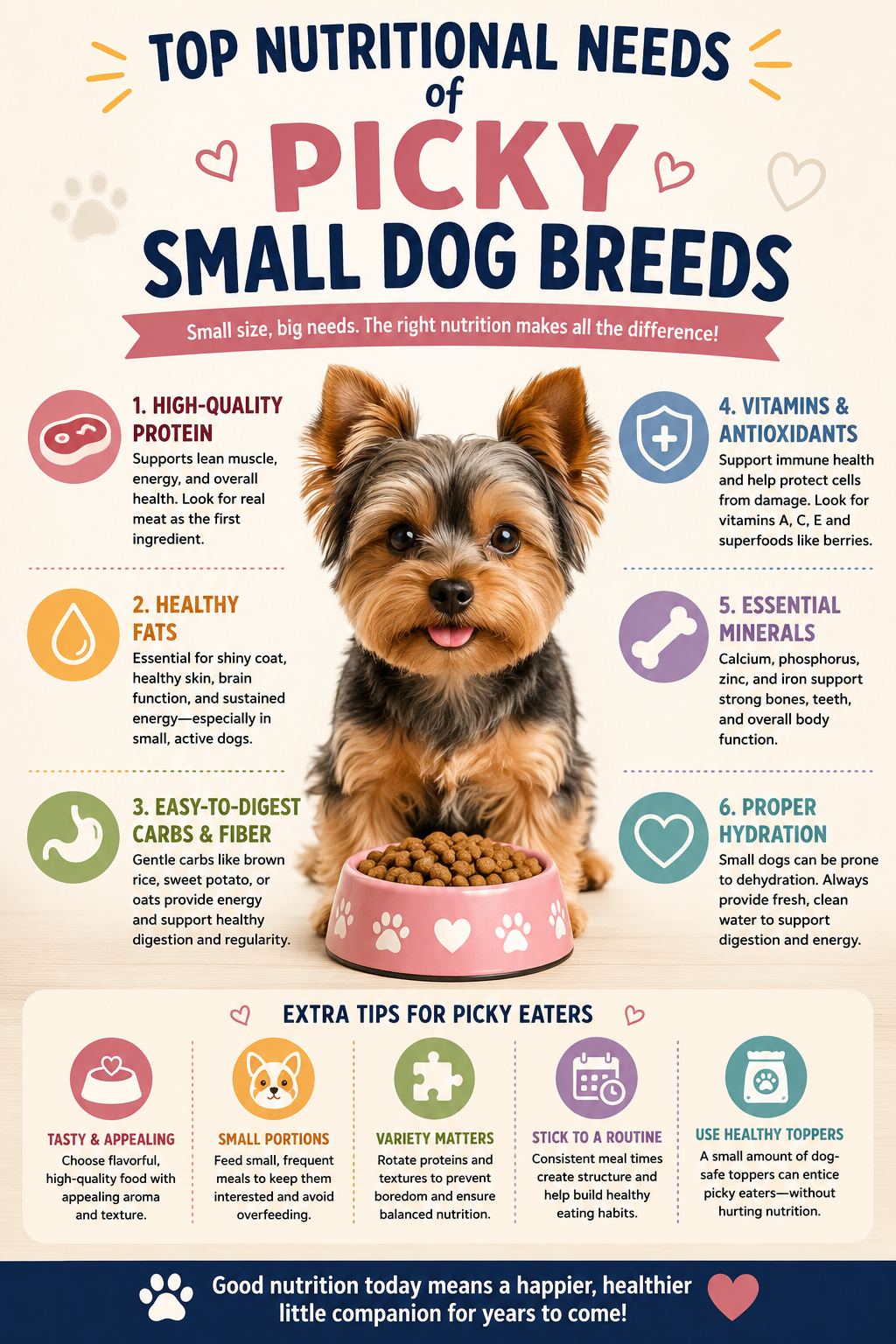
Top nutritional needs of picky small dog breeds was inspired by my mothers yorkie terrier, she thinks she is too good to eat dog food. No matter if its kibbles or canned, she will go hungry before giving in. My mother worries that she is not getting the nutritional needs that she needs, so that is why I am writing this article to help other dog owners with picky eaters.
Affiliate Disclosure
Amazon + Friends
Affiliate Disclosure: Some of the links on this website may be affiliate links. This means that if you click a link and make a purchase, I may earn a small commission at no extra cost to you. These commissions help support 65 Plus Life and Boomer Biz HQ, and Dawg Solutions. so I can continue creating free resources for older adults.
Amazon Disclosure: As an Amazon Associate, I earn from qualifying purchases. Any Amazon links used throughout this website may earn a commission when you purchase through them.

Is your little dog struggling with picky eating, low energy, or tummy troubles?
Discover the simple, vet-approved way to transform your pup’s health starting today!
Thank you for supporting my work — it truly means a lot.
Jeff
Top Nutritional Needs of Picky Small Dog Breeds
My elderly mother worries herself nearly sick over her 7-year-old Yorkshire Terrier. Like many devoted dog owners, she watches every meal closely, concerned whenever her little companion turns her nose up at dog food.
For months, her Yorkie refused to eat most commercial dog foods

No matter which brand she tried. After countless rejected meals and growing frustration, my mother found one food her dog eagerly devoured: canned chicken breast. The moment she opened a can, her Yorkie would come running and clean the bowl without hesitation.
While it was a relief to see her eating again
It also raised an important question: Is canned chicken breast alone providing all the nutrients a small dog needs to stay healthy?
This situation is surprisingly common among owners of picky small dog breeds. Yorkshire Terriers, Chihuahuas, Maltese, Shih Tzus, Pomeranians, and other toy breeds are often selective eaters. Their small size, sensitive digestive systems, dental issues, and strong food preferences can make mealtime a daily challenge.
The good news is
Understanding the nutritional needs of small dogs can help owners make better feeding decisions. While tempting foods like canned chicken may encourage eating, they may not provide the complete balance of protein, fats, vitamins, and minerals required for long-term health.
In this article, we’ll explore the most important nutritional requirements of picky small dog breeds, signs that a dog’s diet may be lacking essential nutrients, and practical ways to encourage healthy eating habits without sacrificing proper nutrition.
Why Small Dog Breeds Are Often Picky Eaters
If you share your home with a small dog, you’ve probably experienced the frustration of putting down a bowl of food only to watch your pet sniff it, walk away, and look at you as if you’ve offered something completely unacceptable.
While this behavior can test an owner’s patience, picky eating is surprisingly common among small dog breeds and often has understandable causes.
Small Dogs Have Smaller Stomachs and Different Eating Patterns
One of the biggest differences between small and large dogs is stomach capacity. A Yorkshire Terrier, Maltese, Chihuahua, or Pomeranian simply cannot eat the same volume of food as a Labrador Retriever or German Shepherd.
Because their stomachs are so small
Toy breeds often prefer eating several small meals throughout the day rather than consuming one or two large meals. Owners may mistakenly assume their dog is refusing food when, in reality, the dog simply isn’t hungry enough to eat a full serving at that moment.
What Is The Best Diet For Special Needs Dogs
Small dogs also have faster metabolisms, meaning their energy needs are relatively high for their size. This can create eating patterns that seem inconsistent to owners.
They Can Easily Become Spoiled by Human Foods
Many picky eating habits develop unintentionally. Concerned owners often worry when a small dog skips a meal and quickly offer tastier alternatives.
A little piece of chicken today becomes chicken mixed with dog food tomorrow. Soon the dog learns that refusing regular food may result in something even more appealing.
This is exactly what happened with my mother’s Yorkie. After repeated refusals of dog food, canned chicken breast became the solution. The problem is that dogs are smart. Once they discover a food they prefer, they may hold out in hopes of receiving it again.
From the dog’s perspective, waiting for the “good stuff” can be a winning strategy.
Small Breeds Often Have More Sensitive Taste and Smell Preferences
Dogs rely heavily on their sense of smell when deciding whether food is worth eating. Small breeds can become surprisingly particular about aroma, texture, and freshness.
A bag of kibble that has been open for several weeks may lose some of its scent. To humans, the food may seem perfectly fine. To a dog with a highly sensitive nose, however, it may appear stale and less appealing.
Many picky eaters also show strong texture preferences. Some dislike hard kibble but eagerly eat soft foods. Others prefer crunchy textures and refuse canned diets.
Dental Problems Can Make Eating Uncomfortable
When a normally enthusiastic eater suddenly becomes selective, dental health should be considered.
Small breeds are especially prone to dental disease because their teeth are crowded into relatively small mouths. Plaque buildup, gum inflammation, loose teeth, and tooth root infections are common concerns.
A dog experiencing oral discomfort may still want to eat but avoid certain foods because chewing hurts. Hard kibble may become difficult while softer foods seem easier and more enjoyable.
Owners sometimes interpret this behavior as stubbornness when the underlying issue is actually pain.
Age-Related Changes Can Affect Appetite
As dogs grow older, changes in taste, smell, activity level, and overall health can influence eating habits.
A 7-year-old Yorkie, for example, is entering the mature adult stage of life. While many dogs remain energetic and healthy for years, subtle age-related changes can begin to appear.
What Are The Best Smart Dog Products For Senior Dogs
Older dogs may become less interested in food, develop digestive sensitivities, or experience medical conditions that affect appetite. Even mild discomfort can make a dog more selective about what they are willing to eat.
Anxiety and Stress Can Influence Eating Behavior
Small dogs are often highly attached to their owners and can be sensitive to changes in their environment.
Moving to a new home, changes in household routines, loud noises, visitors, travel, or the arrival of another pet can affect a dog’s willingness to eat.
Some small breeds are naturally more anxious than larger breeds. When stressed, they may skip meals or become increasingly selective about food choices.
Certain Medical Conditions Can Trigger Picky Eating
Not every picky eater is simply being selective. Sometimes food refusal can signal an underlying health concern.
Conditions that may reduce appetite include:
- Dental disease
- Digestive disorders
- Food allergies or sensitivities
- Liver disease
- Kidney disease
- Pancreatitis
- Hormonal disorders
- Chronic pain
If a dog suddenly stops eating, loses weight, vomits frequently, develops diarrhea, or shows other unusual symptoms, a veterinary evaluation is important.
The Challenge for Owners
Understanding why small dogs become picky eaters is important because the solution is not always as simple as finding a tastier food.
Sometimes the issue involves learned behavior. Other times it may be related to dental health, aging, stress, or an underlying medical condition. Identifying the root cause helps owners make better decisions and avoid nutritional deficiencies that can occur when a dog eats only a limited variety of foods.
Do I Need Special Products For Senior Dogs
The next step is understanding exactly which nutrients picky small dog breeds need most to support healthy muscles, strong bones, a healthy coat, proper digestion, and long-term wellness.
Essential Nutrients Every Picky Small Dog Needs for Optimal Health
When owners are simply trying to get a picky dog to eat something, it’s easy to focus on calories alone. However, the goal isn’t just getting food into your dog’s stomach—it’s making sure that food provides the complete nutrition needed for a long, healthy life.
This is especially important for small breeds.
Because they eat smaller portions than larger dogs, every bite needs to deliver meaningful nutritional value. A diet that seems adequate on the surface may still leave important nutritional gaps if it lacks essential vitamins, minerals, healthy fats, or quality protein sources.
For example
While canned chicken breast may provide protein, it does not offer the complete nutritional balance a small dog requires every day. Feeding a limited diet over an extended period can eventually lead to deficiencies that affect energy levels, immune function, skin health, and overall well-being.
Here are the key nutrients every picky small dog needs.
1. High-Quality Protein for Muscle Maintenance and Repair
Protein is one of the most important nutrients in a dog’s diet. It provides the building blocks necessary to maintain muscles, repair tissues, support organ function, and promote a healthy immune system.
Small breeds often have relatively high energy needs despite their tiny size. Without adequate protein, they can lose muscle mass and may struggle to maintain optimal body condition.
Excellent protein sources include:
- Chicken
- Turkey
- Beef
- Lamb
- Fish
- Eggs
When choosing dog food, look for a named animal protein listed among the first ingredients rather than vague terms such as “meat by-products” or “animal meal.”
2. Healthy Fats for Energy, Brain Function, and Skin Health
Many owners assume fat is something to avoid, but healthy fats are essential for dogs.
Fats provide concentrated energy, support brain function, help absorb fat-soluble vitamins, and contribute to healthy skin and a shiny coat.
Small dogs can particularly benefit from omega-3 and omega-6 fatty acids, which help support:
- Skin health
- Coat quality
- Joint comfort
- Cognitive function
- Immune health
Common sources of beneficial fats include:
- Fish oil
- Salmon
- Sardines
- Flaxseed
- Chicken fat
A dull coat, dry skin, or excessive shedding can sometimes indicate insufficient fatty acids in the diet.
3. Calcium and Phosphorus for Strong Bones and Teeth
Although bone development is most critical during puppyhood, adult dogs still require proper mineral balance throughout life.
Calcium and phosphorus work together to support:
- Bone strength
- Healthy teeth
- Muscle contractions
- Nerve function
This is one reason feeding only plain meat can become problematic. Meat alone contains phosphorus but often lacks the proper calcium balance dogs require.
Better Nutritional Needs Of Senior Dogs
Over time, nutritional imbalances can negatively affect skeletal health and overall wellness.
4. Essential Vitamins for Overall Health
Vitamins support hundreds of important functions throughout the body.
Some of the most important include:
Vitamin A
- Supports vision
- Promotes healthy skin
- Supports immune function
Vitamin D
- Helps regulate calcium and phosphorus
- Supports bone health
Vitamin E
- Acts as an antioxidant
- Supports immune health
- Protects cells from damage
B Vitamins
- Help convert food into energy
- Support nervous system function
- Aid red blood cell production
Complete and balanced commercial dog foods are formulated to provide these vitamins in appropriate amounts.
5. Trace Minerals That Support Vital Body Functions
Even though dogs only require small amounts of certain minerals, these nutrients play major roles in maintaining health.
Important trace minerals include:
- Zinc
- Iron
- Copper
- Selenium
- Manganese
These minerals help support:
- Immune function
- Oxygen transport
- Skin and coat health
- Enzyme activity
- Metabolic processes
Deficiencies may develop gradually and can sometimes go unnoticed until symptoms become more serious.
6. Fiber for Healthy Digestion
Fiber often receives less attention than protein or fat, but it plays a valuable role in digestive health.
Appropriate fiber levels help:
- Support healthy bowel movements
- Promote beneficial gut bacteria
- Improve stool quality
- Aid digestive regularity
Sources of dietary fiber commonly found in quality dog foods include:
- Pumpkin
- Sweet potatoes
- Beet pulp
- Brown rice
- Oats
For picky eaters with sensitive stomachs, proper fiber balance can make a noticeable difference.
7. Water: The Most Overlooked Nutrient
Many people don’t think of water as a nutrient, but it is absolutely essential for life.
Water supports:
- Digestion
- Nutrient transport
- Temperature regulation
- Organ function
- Joint lubrication
Small dogs can become dehydrated more quickly than larger breeds due to their size.
Owners should always ensure fresh, clean water is available, especially when feeding dry kibble.
Why Feeding Only One Food Can Create Nutritional Gaps
Returning to my mother’s Yorkie, it’s easy to understand why she felt relieved when her dog eagerly ate canned chicken breast after rejecting commercial dog food.
The challenge is that chicken breast alone cannot provide the complete nutritional profile a dog needs. While it supplies valuable protein, it lacks the balanced combination of vitamins, minerals, fatty acids, and other nutrients required for long-term health.
Is Homemade Food Safe For Senior Dogs
Many picky dogs convince their owners to focus on what the dog wants to eat rather than what the dog needs to eat. Finding the right balance between palatability and nutrition is often the key to success.
The Goal: Complete and Balanced Nutrition
The healthiest diet for most small dogs is one that delivers complete and balanced nutrition while also appealing to their individual tastes and preferences.
Rather than relying on a single favorite food, owners should aim to provide a diet that includes all essential nutrients in the proper proportions. This helps support healthy muscles, strong bones, a robust immune system, healthy digestion, and a longer, more active life.
The next challenge, of course, is getting a picky dog to actually eat that nutritious food—which is exactly what we’ll cover next.
How to Encourage My Mother’s Yorkie Terrier to Eat a Balanced Diet: Step-by-Step Guide
Getting a picky Yorkie to eat a balanced diet can take patience, especially when she has already learned that refusing dog food may lead to canned chicken breast instead. The goal is not to punish her or force her to eat. The goal is to gently guide her back toward complete nutrition while still making meals appealing.
Here is a step-by-step plan my mother can use with her 7-year-old Yorkshire Terrier.
Step 1: Schedule a Veterinary Checkup First
Before assuming the problem is stubbornness, it is important to rule out health issues.
Yorkies are small dogs with delicate mouths, and dental disease can make chewing painful. A dog may refuse kibble but happily eat soft chicken simply because it is easier on sore teeth.
A vet can check for:
- Dental disease
- Gum pain
- Loose teeth
- Digestive problems
- Weight loss
- Food sensitivities
- Age-related health changes
If the picky eating is sudden, severe, or paired with vomiting, diarrhea, tiredness, or weight loss, a vet visit should happen as soon as possible.
Step 2: Choose a Complete and Balanced Small-Breed Dog Food
Canned chicken breast may be tasty, but it is not a complete diet for a Yorkie. It lacks the full balance of calcium, essential fatty acids, vitamins, minerals, and fiber dogs need for long-term health.
My mother should look for a dog food labeled for:
- Small breeds
- Adult dogs
- Complete and balanced nutrition
- Her dog’s life stage
Small-breed formulas are helpful because the pieces are usually smaller, the calories are more concentrated, and the texture is often easier for tiny mouths.
Step 3: Use the Chicken as a Topper, Not the Main Meal
Instead of removing the chicken all at once, use it strategically.
For the first few days, my mother can mix a small amount of canned chicken breast into the balanced dog food. The chicken adds a familiar smell and taste, while the dog food provides the nutrition her Yorkie needs.
A simple starting mix might look like this:
- 75% current favorite food, such as canned chicken
- 25% complete and balanced dog food
Once the Yorkie accepts that mixture, slowly shift the ratio.
Step 4: Transition Slowly Over 7 to 14 Days
Small dogs can have sensitive stomachs, so switching foods too quickly may cause digestive upset.
Better Nutritional Needs Of Senior Dogs
A gradual transition may look like this:
Days 1–3: 75% chicken, 25% balanced dog food
Days 4–6: 50% chicken, 50% balanced dog food
Days 7–10: 25% chicken, 75% balanced dog food
Days 11–14: Mostly balanced dog food with a tiny chicken topper if needed
The exact pace can be adjusted. If the Yorkie refuses food or develops loose stool, slow down the transition.
Step 5: Warm the Food Slightly to Improve Aroma
Many picky small dogs respond better to food that smells stronger.
My mother can warm the food slightly before serving. It should be lukewarm, never hot.
This can make wet food or softened kibble more appealing. Adding a teaspoon of warm water can also help release aroma and create a softer texture.
Step 6: Make Mealtimes Calm and Consistent
Picky eating often gets worse when dogs learn that refusing food creates attention, worry, or a parade of better options.
A calm routine helps.
Offer food at the same times each day. Put the bowl down for about 15 to 20 minutes. If the Yorkie does not eat, pick it up and try again at the next scheduled meal.
This teaches that mealtime is predictable and that holding out does not always lead to a better reward.
Step 7: Avoid Constant Treats Between Meals
Tiny dogs fill up quickly. A few treats, table scraps, or bites of chicken during the day can reduce appetite at mealtime.
My mother should keep treats limited and count them as part of the dog’s daily food intake.
A good rule is that treats should stay small and occasional, especially during the transition.
Step 8: Try Texture Changes
If the Yorkie dislikes hard kibble, the issue may be texture rather than flavor.
Helpful options include:
- Soaking kibble in warm water
- Mixing kibble with a small amount of wet dog food
- Choosing a soft small-breed formula
- Trying a pate-style food instead of chunks
- Using a veterinary-approved fresh or gently cooked diet
The key is choosing food that is complete and balanced, not just tasty.
Step 9: Reduce the Chicken Gradually, Not Emotionally
This may be the hardest part for my mother.
When her Yorkie refuses food, it is natural for her to worry and reach for the chicken. But if chicken always appears after refusal, the Yorkie may keep refusing balanced meals.
How To Create A Dog Diet Plan For Healthy Older Dog
Instead, the chicken should slowly become a small flavor booster rather than the entire meal.
Even a teaspoon mixed into balanced food can provide the smell the Yorkie loves without replacing the nutrients she needs.
Step 10: Track Progress
My mother can keep a simple feeding journal for two weeks.
She can write down:
- What food was offered
- How much chicken was added
- How much the Yorkie ate
- Stool quality
- Energy level
- Any vomiting or diarrhea
- Weight changes
This makes it easier to spot patterns and gives the veterinarian useful information if the problem continues.
Step 11: Know When to Call the Vet Again
A picky Yorkie should not go long without eating.
My mother should contact the veterinarian if her dog:
- Refuses food for more than 24 hours
- Refuses water
- Loses weight
- Vomits repeatedly
- Has diarrhea
- Seems weak or unusually tired
- Shows signs of mouth pain
- Suddenly becomes picky after eating normally
Small dogs can decline quickly when they are not eating enough, so it is better to be cautious.
Jeff Shares
The goal is not to take away the food her Yorkie loves. The goal is to use that favorite flavor wisely.
Canned chicken breast can help encourage eating, but it should support a balanced diet, not replace one. With patience, a slow transition, a consistent routine, and veterinary guidance, my mother can help her Yorkie enjoy meals while still getting the nutrition she needs to stay healthy.
Disclaimer
The information provided in this article is intended for educational and informational purposes only and should not be considered veterinary advice. Every dog is unique, and nutritional needs can vary based on age, breed, activity level, medical history, and individual health conditions.
While we strive to provide accurate and up-to-date information based on reputable veterinary and nutritional sources, this article is not a substitute for professional veterinary care, diagnosis, or treatment. Always consult your veterinarian or a qualified veterinary nutritionist before making significant changes to your dog’s diet, introducing new foods, or addressing ongoing feeding concerns.
If your dog experiences sudden appetite loss, unexplained weight changes, vomiting, diarrhea, lethargy, signs of pain, or any other concerning symptoms, seek veterinary attention promptly.
The author and publisher assume no responsibility for any loss, injury, or adverse effects resulting from the use of information presented in this article.
Trusted Resources for Owners of Picky Small Dogs
If you’re struggling with a picky eater like my mother’s Yorkshire Terrier, it’s important to rely on science-based information rather than internet myths and marketing claims.
The following organizations and veterinary resources provide reliable guidance on canine nutrition, feeding behavior, and selecting an appropriate diet.
World Small Animal Veterinary Association (WSAVA)
The World Small Animal Veterinary Association (WSAVA) is widely regarded as one of the most respected authorities on companion animal nutrition. Their Global Nutrition Guidelines help veterinarians and pet owners evaluate diets and make informed feeding decisions based on scientific evidence. WSAVA also provides practical tools for assessing body condition, calorie requirements, and choosing a quality pet food.
American Animal Hospital Association (AAHA)
The American Animal Hospital Association offers nutrition and weight-management resources developed by veterinary professionals. Their guidelines help pet owners understand proper feeding practices, nutritional assessments, and how to work with their veterinarian to create an individualized nutrition plan.
American Kennel Club (AKC)
The American Kennel Club’s nutrition library contains articles reviewed by veterinary experts covering dog food selection, feeding guidelines, breed-specific nutritional considerations, and senior dog nutrition. The AKC also provides helpful information for owners of small breeds such as Yorkshire Terriers.
VCA Animal Hospitals
VCA Animal Hospitals offers veterinarian-reviewed articles specifically addressing picky eaters. Their guidance includes identifying potential medical causes of food refusal, establishing feeding routines, limiting treats, using food toppers appropriately, and recognizing when veterinary attention is needed.
NC State Veterinary Hospital Nutrition Service
The nutrition specialists at North Carolina State University’s Veterinary Hospital provide practical advice for preventing and managing picky eating behaviors. Their recommendations include feeding schedules, texture variety, treat management, and recognizing signs that may indicate an underlying health concern.
Pet Nutrition Alliance
The Pet Nutrition Alliance is a collaborative effort among veterinary organizations focused on improving pet nutrition. Their educational materials can help owners better understand calorie needs, body condition scoring, and evaluating pet food manufacturers.
When in Doubt, Consult Your Veterinarian
While reputable online resources can be extremely helpful, they should never replace veterinary advice. If your small dog suddenly becomes a picky eater, loses weight, develops digestive issues, refuses food for more than a day, or shows signs of illness, schedule a veterinary examination promptly.
In my mother’s case, the best first step is not finding a tastier food—it’s ensuring her 7-year-old Yorkie receives a thorough health assessment and a nutrition plan that provides complete and balanced nutrition while still accommodating her strong preference for chicken.
Aussie & Jeff Shares
Many owners of picky small dog breeds feel frustrated, worried, and sometimes even guilty when their dogs refuse to eat. The good news is that most cases can be improved through patience, consistency, proper nutrition, and veterinary guidance. By understanding why small dogs become selective eaters and ensuring they receive all the nutrients they need, owners can help their beloved companions enjoy healthier meals and healthier lives.
Thank you for visiting Dawg Solutions, your support is much appreciated and important to Aussie & Me,
Aussie & Jeff
Affiliate Disclosure: Some of the links on this website may be affiliate links. This means that if you click a link and make a purchase, I may earn a small commission at no extra cost to you. These commissions help support 65 Plus Life and Boomer Biz HQ, and Dawg Solutions. so I can continue creating free resources for older adults.
Amazon Disclosure: As an Amazon Associate, I earn from qualifying purchases. Any Amazon links used throughout this website may earn a commission when you purchase through them.
Thank you for supporting my work — it truly means a lot.
Jeff
Tractive GPS Dog Tracker
- How Technology Aids Special Needs DogsHow technology aids special need dogs lives to become better. What you are going to learn is from my experience with my own dog, right around the time his 7th birthday he began to develop special needs. Read Aussie and my true story with technology products that improved our lives. Affiliate Disclosure: Some of the … Read more
- Learn How Ai Helps Dogs With Disabilities At HomeLearn how ai helps dogs with disabilities at home. Making life easier for dogs with disabilities has totally changed for the better, thanks to AI. Dogs dealing with sight problems, hearing loss, or even mobility issues can now enjoy their home life a lot more comfortably. AI-driven products and smart gadgets are making a real … Read more
- Understanding AI In Pet Training For New Dog OwnersUnderstanding AI in pet training for new dog owners is an educational article. AI is growing dramatically with so many awesome tools in every part of our lives, and pet training is becoming easier for new dog owners then other before. Affiliate Disclosure Amazon + Friends Affiliate Disclosure: Some of the links on this website … Read more
- 10 Best Dog Products For Budget Owners On Fixed Incomes10 best dog products for budget owners on fixed-incomes is to save you time and money. Many dog owners in their senior years are living on fixed-incomes with dogs, so this article is for those of you who might be in this situation. Affiliate Disclosure Amazon + Friends Affiliate Disclosure: Some of the links on … Read more
- Top Nutritional Needs Of Picky Small Dog BreedsTop nutritional needs of picky small dog breeds was inspired by my mothers yorkie terrier, she thinks she is too good to eat dog food. No matter if its kibbles or canned, she will go hungry before giving in. My mother worries that she is not getting the nutritional needs that she needs, so that … Read more
- Why Is Socialization Important For Special Needs DogsWhy is socialization important for special needs dogs might surprise you. Are you a dog owners with a dog with special needs, maybe you have it in your heart to adopt a special needs dog. Socialization is an important part of caring for this special dog, read why in my article written especially for you. … Read more
- What Is The Best Diet For Special Needs DogsWhat is the best diet for special needs dogs. Did you ever wonder if your special needs dog should be on a special diet plan. That is what we are going to cover in this article, so if this is something that interests you this article is for you. Affiliate Disclosure Amazon + Friends Affiliate … Read more
- How To Train Special Needs Dogs EffectivelyHow to train special needs dogs effectively is to help dog owners. Special needs dogs of course need special products from time to time, and then training them how to use them can be a challenge. Affiliate Disclosure Amazon + Friends Affiliate Disclosure: Some of the links on this website may be affiliate links. This … Read more
- What Are The Best Smart Dog Products For Senior DogsWhat are the best smart dog products for senior dogs. Taking care of our older dogs is extremely important to dog owners, we want to make them as comfortable and happy as possible. Smart dog products are able to help us accomplish these goals, together we are going to learn about the better smart dog … Read more
- How To Choose Smart Dog Products Without OverspendingHow to choos smart dog products without overspending your budget. As you might have experienced on your own overspending is not difficult to do today, and we want our dogs to have whatever we can afford that will make their lives more comfortable. Affiliate Disclosure Amazon + Friends Affiliate Disclosure: Some of the links on … Read more
You are very accurate when you say that dogs can get spoilt by eating too much human food. That is why there is really nutritional and good dog food out there and it’s just a matter of trying and finding the right one. I think if you start them small on a good brand then they won’t be a problem as they grow. I think a lot of people tend to spoil these cutie pies so they get more and more picky, especially when they are used to getting something off your plate.
That is obviously just my opinion.
Thank you for sharing your thoughts on the nutritional needs of picky small dog breeds, I agree with what you have shared as well.
Jeff