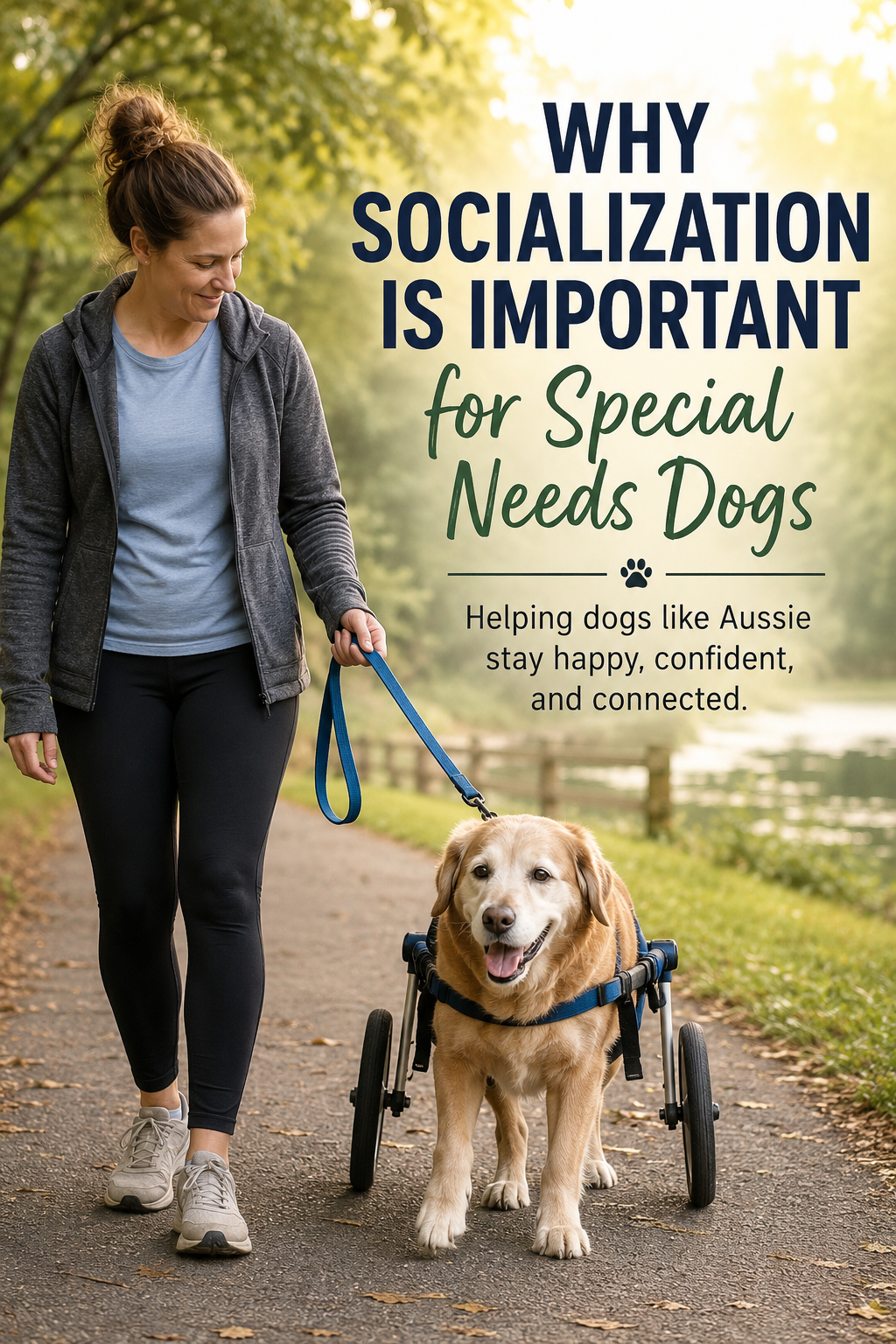
Why is socialization important for special needs dogs might surprise you. Are you a dog owners with a dog with special needs, maybe you have it in your heart to adopt a special needs dog. Socialization is an important part of caring for this special dog, read why in my article written especially for you.
Affiliate Disclosure
Amazon + Friends
Affiliate Disclosure: Some of the links on this website may be affiliate links. This means that if you click a link and make a purchase, I may earn a small commission at no extra cost to you. These commissions help support 65 Plus Life and Boomer Biz HQ, and Dawg Solutions. so I can continue creating free resources for older adults.
Amazon Disclosure: As an Amazon Associate, I earn from qualifying purchases. Any Amazon links used throughout this website may earn a commission when you purchase through them.
Thank you for supporting my work — it truly means a lot.
Jeff
Why Socialization Is Important for Special Needs Dogs
For our family, socialization has played a huge role in keeping Aussie happy, confident, and healthy as he’s gotten older and started facing some special needs challenges. As his muzzle turned gray and his mobility slowed down a bit, we noticed something important
What Is The Best Diet For Special Needs Dogs
Aussie still lit up whenever he spent time around familiar people, friendly dogs, and new experiences at his own pace.
Those simple interactions helped keep his mind active, reduced stress, and gave him something to look forward to every day. Even short walks, visits from family, or relaxing around other calm pets seemed to boost his mood.

Watching Aussie reminded me that socialization is not just for puppies. It can be incredibly important for special needs dogs throughout every stage of life.
Understanding Socialization for Special Needs Dogs
Socialization means helping your dog safely experience people, animals, places, sounds, and daily activities in a positive way. For dogs with physical disabilities, sensory impairments, anxiety, aging issues, or medical conditions, socialization may look a little different than it does for other dogs.
Instead of busy dog parks or crowded events
Socialization for special needs dogs often focuses on calm, controlled interactions that help them feel secure and included.
Every dog has different comfort levels, so the goal is not to overwhelm them. The goal is to help them build confidence and enjoy meaningful connections.
The Emotional Benefits of Socialization
Many special needs dogs can become isolated if owners worry about safety or stress. While protecting them is important, too much isolation may lead to boredom, anxiety, depression, or fearfulness.
Positive social interaction can help:
- Reduce anxiety and nervous behaviors
- Prevent loneliness and boredom
- Build trust and confidence
- Improve emotional well-being
- Encourage mental stimulation
Dogs thrive on companionship. Even dogs with limited mobility or health concerns still enjoy feeling connected to their family and environment.
Socialization Helps Keep the Mind Active
Mental stimulation is especially important for senior dogs and dogs with disabilities. New smells, gentle conversations, short outings, and safe interactions can help keep their brains engaged.
For Aussie,
Even a slow walk through the neighborhood gives him a chance to sniff around, watch people, and experience the world around him.
How To Train Special Needs Dogs Effectively
Those little moments help keep him alert and interested in life.
Activities that encourage mental engagement may include:
- Short neighborhood walks
- Visiting pet-friendly stores during quiet hours
- Spending time with calm dogs
- Puzzle toys and scent games
- Meeting trusted visitors at home
Keeping your dog mentally active can improve their overall quality of life and may even help slow cognitive decline in aging dogs.
Building Confidence in Nervous or Disabled Dogs
Some special needs dogs may feel vulnerable because of hearing loss, vision problems, mobility limitations, or past trauma. Gentle socialization helps them learn that the world is still a safe place.
When done slowly and positively, social experiences can help dogs become more comfortable with:
- New environments
- Veterinary visits
- Grooming appointments
- Meeting strangers
- Everyday household noises
Confidence-building is especially valuable for rescue dogs or dogs recovering from injuries or illness.
Socialization Can Improve Physical Health
Socialization often encourages movement and activity, which can benefit dogs physically as well as emotionally. Even light exercise can help maintain muscle tone, joint flexibility, and circulation.
How To Choose Smart Dog Products Without Overspending
For dogs with mobility issues, low-impact activities may include:
- Slow walks
- Swimming or water therapy
- Gentle play sessions
- Outdoor relaxation time
Of course, every dog’s medical condition is different, so it’s always best to work within your veterinarian’s recommendations.
Tips for Safely Socializing a Special Needs Dog
The best socialization experiences are calm, positive, and tailored to your dog’s individual needs.
Follow Your Dog’s Comfort Level
Watch for signs of stress like trembling, hiding, excessive panting, or pulling away. If your dog seems uncomfortable, give them space and slow things down.
Choose Calm Environments
Busy dog parks or loud gatherings may overwhelm some special needs dogs. Quiet parks, peaceful neighborhoods, or one-on-one interactions are often better options.
Keep Experiences Positive
Use praise, treats, affection, and patience to create positive associations with new experiences.
Respect Physical Limitations
Avoid overexertion and allow your dog to rest when needed. Short, enjoyable outings are usually more beneficial than long stressful ones.
Maintain a Routine
Dogs with anxiety or disabilities often feel more secure when activities follow a predictable routine.
Aussie & Jeff Shares n Cares
Special needs dogs may require a little extra patience and understanding, but they still want companionship, stimulation, and joy. Socialization helps enrich their lives and reminds them they are still an important part of the family.
Aussie has taught us that happiness does not always come from big adventures. Sometimes it comes from a familiar face, a peaceful walk, or simply being included in everyday life.
By giving special needs dogs safe opportunities to connect with the world around them, we help support both their emotional and physical well-being for years to come.
Easy Step-by-Step Guide to Socialization-Friendly Activities
Socializing a special needs dog does not have to be complicated. The key is to go slowly, keep things positive, and let your dog set the pace.
Pet-Friendly Hobbies For older Adults
Step 1: Start at Home
Begin in a place where your dog already feels safe. Invite one calm friend or family member over and allow your dog to approach when ready.
Keep the visit quiet, short, and relaxed.
Step 2: Use Positive Reinforcement
Reward your dog with praise, treats, or gentle affection whenever they stay calm around a new person, sound, or experience. This helps them connect socialization with something enjoyable.
Step 3: Try Short Outdoor Walks
Take your dog on brief walks in quiet areas. Let them sniff, observe, and move at their own pace. For dogs like Aussie, even a slow walk can provide healthy mental stimulation.
Step 4: Introduce New Sounds Gradually
Play soft household sounds, doorbells, traffic noise, or pet-friendly videos at a low volume. Increase exposure slowly only if your dog stays relaxed.
Step 5: Meet Calm Dogs One at a Time
Choose a friendly, relaxed dog for the first introduction. Keep both dogs on leash, allow plenty of space, and avoid nose-to-nose greetings right away.
Step 6: Visit Quiet Pet-Friendly Places
Try a pet-friendly store, park, or outdoor café during slower hours. Keep the visit short and leave before your dog becomes tired or overwhelmed.
Step 7: Add Enrichment Activities
Use puzzle toys, scent games, lick mats, or gentle backyard exploring. These activities help your dog engage with the world without too much pressure.
Step 8: Watch for Stress Signals
Look for signs like panting, shaking, hiding, whining, stiff posture, or trying to leave. If your dog shows stress, pause and return to a familiar activity.
PetSafe Products
Step 9: Keep Sessions Short
A few positive minutes are better than a long stressful outing. End each activity while your dog is still calm and comfortable.
Step 10: Celebrate Small Wins
Every step matters. Whether your dog calmly meets one person, sniffs a new area, or relaxes near another dog, those little victories build confidence over time.
Socialization should never feel forced. With patience, kindness, and simple activities, special needs dogs can enjoy new experiences while still feeling safe and loved.
Helpful Resources for Owners of Special Needs Dogs
Caring for a special needs dog can feel overwhelming at times, but thankfully there are some wonderful organizations and communities dedicated to helping dogs like Aussie live happy, healthy lives.
These resources offer training tips, support, rescue services, education, and encouragement for dog owners navigating disabilities, aging, blindness, deafness, mobility issues, and other special needs.
Blind Dog Rescue Alliance
The Blind Dog Rescue Alliance focuses on rescuing and supporting blind and visually impaired dogs of all ages and breeds. Their website includes educational resources, adoption information, and helpful advice for owners learning how to care for blind dogs.
Deaf Dogs Rock
Deaf Dogs Rock is a fantastic resource for families caring for deaf dogs. They provide training tips, safety advice, adoption support, and inspiring success stories that show deaf dogs can thrive with patience and understanding.
Canine Companions
Canine Companions is one of the most respected service dog organizations in the country. They provide expertly trained service dogs to adults, children, and veterans with disabilities free of charge while also offering educational support and community programs.
Canine Assistants
Canine Assistants helps place specially trained service dogs for individuals with mobility difficulties, epilepsy, diabetes, and other medical conditions. Their mission focuses on improving independence and quality of life through canine companionship.
Pets With Disabilities
Pets With Disabilities is dedicated to helping physically disabled dogs and cats through rescue, rehabilitation, sanctuary care, and adoption support. Their work reminds pet owners that disabled animals can still enjoy full and joyful lives.
SNARR Northeast
SNARR Northeast specializes in rescuing some of the toughest special needs cases, including paralyzed, blind, deaf, injured, and medically fragile dogs. Their organization also helps educate adopters about caring for special needs pets.
Special Needs K9
Special Needs K9 works to rescue and rehabilitate dogs with physical, neurological, and medical disabilities. They also help provide education and support for adopters considering a special needs dog.
You Are Not Alone
One of the biggest lessons we have learned with Aussie is that caring for a special needs dog becomes much easier when you have access to good information and supportive communities. Whether your dog is aging, blind, deaf, anxious, disabled, or dealing with medical challenges, there are caring people and organizations ready to help.
Sometimes just reading another dog’s success story can give you hope and reassurance that your best friend can still live a joyful and fulfilling life.
Aussie & Jeff Shares
Living with a special needs dog may require extra patience, flexibility, and care, but the love and connection they give back is truly unforgettable.
Dogs like Aussie remind us every day that happiness is not about being perfect — it is about feeling safe, included, loved, and connected to the people around them.
Socialization plays an important role in helping special needs dogs stay emotionally balanced, mentally stimulated, and physically active. Even small daily interactions can improve their confidence and overall quality of life.
Home Adjustments
As you continue helping your dog explore the world safely, remember these simple socialization tips:
- Always let your dog move at their own comfort level
- Keep experiences calm, positive, and low stress
- Reward confidence with praise and treats
- Avoid forcing interactions with people or other dogs
- Stick to familiar routines whenever possible
- Choose quality interactions over crowded environments
- Watch your dog’s body language closely for signs of stress
- End activities on a positive note before your dog becomes overwhelmed
- Be patient — progress may happen slowly, and that is perfectly okay
Most importantly, remember that every dog is unique. What works for one special needs dog may not work for another. The goal is not to create a perfectly social dog. The goal is to help your companion feel secure, supported, and happy in their everyday life.
For me, Aussie has shown that even with aging challenges and special needs, dogs still want to experience joy, companionship, and connection. Sometimes the smallest moments — a peaceful walk, a friendly visitor, or relaxing beside family — become the moments that matter most.
With love, patience, and gentle socialization, special needs dogs can continue living meaningful and fulfilling lives for many years to come.
Adding a special needs dog into your home can be more rewarding than you might ever imagine, next time you are shopping for a new dog consider a dog with special needs and a special heart.
Aussie & Jeff
Affiliate Disclosure: Some of the links on this website may be affiliate links. This means that if you click a link and make a purchase, I may earn a small commission at no extra cost to you. These commissions help support 65 Plus Life and Boomer Biz HQ, and Dawg Solutions. so I can continue creating free resources for older adults.
Amazon Disclosure: As an Amazon Associate, I earn from qualifying purchases. Any Amazon links used throughout this website may earn a commission when you purchase through them.
Tractive GPS Dog Tracker
- How Technology Aids Special Needs DogsHow technology aids special need dogs lives to become better. What you are going to learn is from my experience with my own dog, right around the time his 7th birthday he began to develop special needs. Read Aussie and my true story with technology products that improved our lives. Affiliate Disclosure: Some of the … Read more
- Learn How Ai Helps Dogs With Disabilities At HomeLearn how ai helps dogs with disabilities at home. Making life easier for dogs with disabilities has totally changed for the better, thanks to AI. Dogs dealing with sight problems, hearing loss, or even mobility issues can now enjoy their home life a lot more comfortably. AI-driven products and smart gadgets are making a real … Read more
- Understanding AI In Pet Training For New Dog OwnersUnderstanding AI in pet training for new dog owners is an educational article. AI is growing dramatically with so many awesome tools in every part of our lives, and pet training is becoming easier for new dog owners then other before. Affiliate Disclosure Amazon + Friends Affiliate Disclosure: Some of the links on this website … Read more
- 10 Best Dog Products For Budget Owners On Fixed Incomes10 best dog products for budget owners on fixed-incomes is to save you time and money. Many dog owners in their senior years are living on fixed-incomes with dogs, so this article is for those of you who might be in this situation. Affiliate Disclosure Amazon + Friends Affiliate Disclosure: Some of the links on … Read more
- Top Nutritional Needs Of Picky Small Dog BreedsTop nutritional needs of picky small dog breeds was inspired by my mothers yorkie terrier, she thinks she is too good to eat dog food. No matter if its kibbles or canned, she will go hungry before giving in. My mother worries that she is not getting the nutritional needs that she needs, so that … Read more
- Why Is Socialization Important For Special Needs DogsWhy is socialization important for special needs dogs might surprise you. Are you a dog owners with a dog with special needs, maybe you have it in your heart to adopt a special needs dog. Socialization is an important part of caring for this special dog, read why in my article written especially for you. … Read more
- What Is The Best Diet For Special Needs DogsWhat is the best diet for special needs dogs. Did you ever wonder if your special needs dog should be on a special diet plan. That is what we are going to cover in this article, so if this is something that interests you this article is for you. Affiliate Disclosure Amazon + Friends Affiliate … Read more
- How To Train Special Needs Dogs EffectivelyHow to train special needs dogs effectively is to help dog owners. Special needs dogs of course need special products from time to time, and then training them how to use them can be a challenge. Affiliate Disclosure Amazon + Friends Affiliate Disclosure: Some of the links on this website may be affiliate links. This … Read more
- What Are The Best Smart Dog Products For Senior DogsWhat are the best smart dog products for senior dogs. Taking care of our older dogs is extremely important to dog owners, we want to make them as comfortable and happy as possible. Smart dog products are able to help us accomplish these goals, together we are going to learn about the better smart dog … Read more
- How To Choose Smart Dog Products Without OverspendingHow to choos smart dog products without overspending your budget. As you might have experienced on your own overspending is not difficult to do today, and we want our dogs to have whatever we can afford that will make their lives more comfortable. Affiliate Disclosure Amazon + Friends Affiliate Disclosure: Some of the links on … Read more
This was such a thoughtful and compassionate article. I really liked how you explained that socialization for special needs dogs does not have to mean busy dog parks or overwhelming situations. Sometimes a quiet walk, a calm visitor, or a short positive experience can make a big difference. The part about letting the dog set the pace felt especially important, because every dog has different comfort levels and limitations. Aussie sounds like a wonderful example of how small moments of connection can help a dog feel happier, safer, and still included in everyday life.
Thank you for reading my article and sharing, readers such as you motivate me to keep writing
Jeff