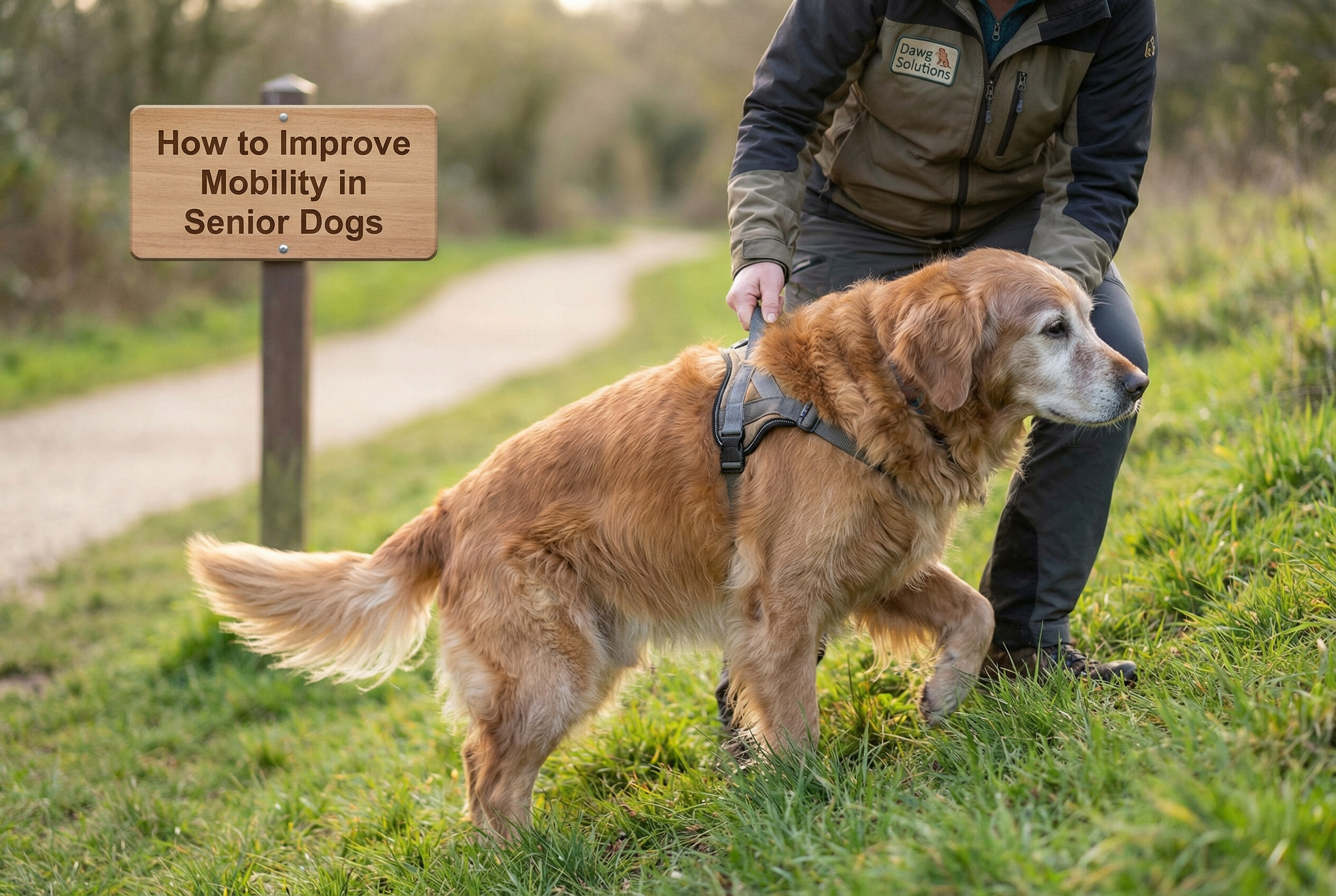
How to improve mobility in senior dogs is important to me, so I figure you also might feel this is something important that you would like to know more about. Most older dogs are going to experience mobility issues eventually, that is why I am writing this article for you.
Affiliate Disclosure
Amazon + Wealthy Affiliate + Friends
Aussie n Jeffs Promise To You
You will never find any affiliate links in any of my step-by-step guides on any of my websites, I feel that my guides are to educate you, not push products & services at you.
Affiliate Disclosure: Some of the links on this website may be affiliate links. This means that if you click a link and make a purchase, I may earn a small commission at no extra cost to you. These commissions help support 65 Plus Life, Boomer Biz HQ, and Dawg Solutions. so I can continue creating free resources for older adults.
Amazon Disclosure: As an Amazon Associate, I earn from qualifying purchases. Any Amazon links used throughout this website may earn a commission when you purchase through them.
Wealthy Affiliate Disclosure: I am also a proud affiliate of Wealthy Affiliate. If you choose to join their platform through my referral link, I may earn a commission. I only recommend Wealthy Affiliate because it has personally helped me build websites and create income online, and I believe it can help other older adults learn these skills too.
Thank you for supporting my work — it truly means a lot.
Aussie n Jeff
Dog Breeds Prone to Mobility Issues as They Age
As dogs grow older, changes in mobility are common, but some breeds are more prone to joint, spine, and muscle issues than others. If you share your life with one of these breeds, being aware early can help you spot subtle changes and take action sooner.
Mobility challenges don’t mean your dog can’t enjoy life. With the right care, many senior dogs stay active, comfortable, and happy well into their golden years.
Large & Giant Breeds
Larger dogs place more stress on their joints over time, making them especially vulnerable to arthritis, hip dysplasia, and stiffness as they age.

Commonly affected breeds include:
- German Shepherds
- Labrador Retrievers
- Golden Retrievers
- Great Danes
- Rottweilers
Typical mobility concerns:
Hip and elbow dysplasia, arthritis, difficulty rising, slower movement, and reduced stamina.
Small Breeds with Joint Sensitivities
Small dogs may be portable, but many are genetically predisposed to joint problems, especially in the knees.
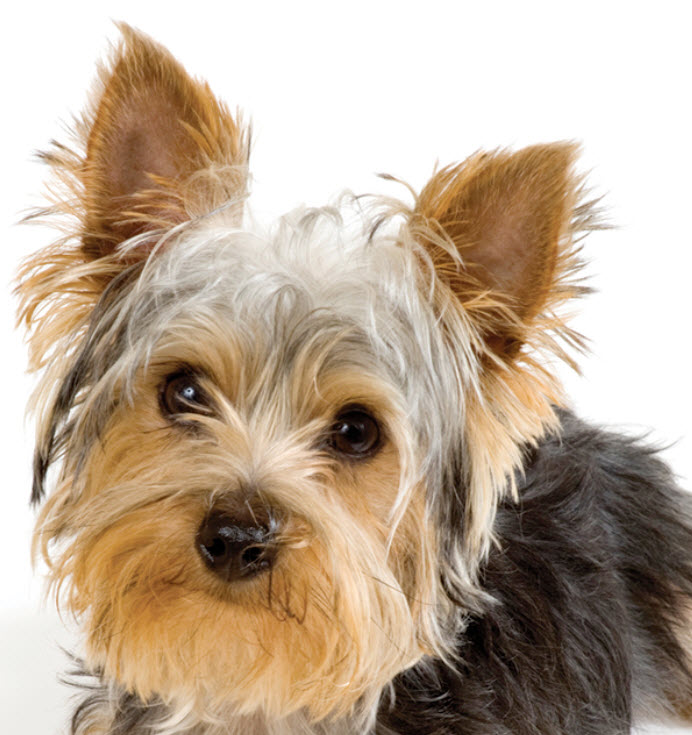
Breeds to watch closely:
- Yorkshire Terriers
- Chihuahuas
- Pomeranians
Typical mobility concerns:
Luxating patella (kneecap slipping), hopping or skipping gait, reluctance to jump, and intermittent limping.
Long-Backed Breeds (Spinal Risk)
Dogs with long backs and short legs are more likely to develop spinal issues that can directly affect mobility.
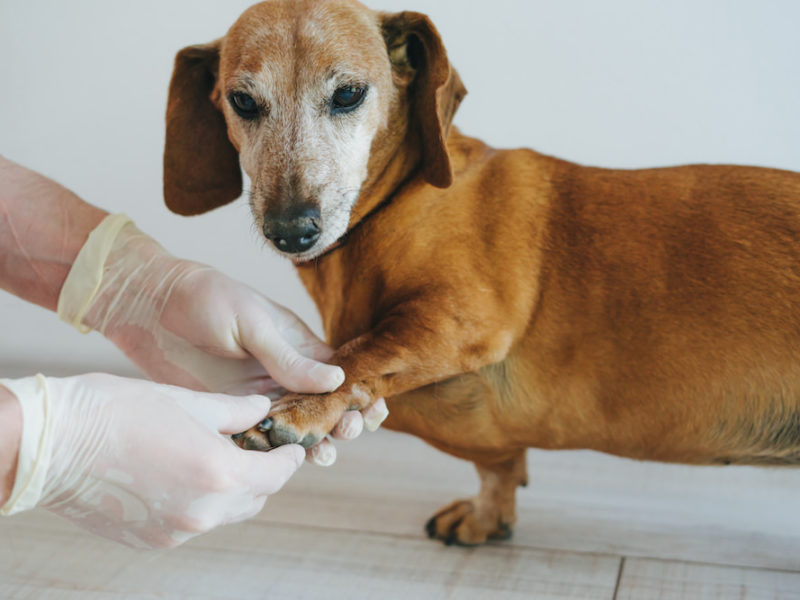
Higher-risk breeds include:
- Dachshunds
- Corgis
- Basset Hounds
Typical mobility concerns:
Intervertebral disc disease (IVDD), back pain, weakness in the rear legs, and difficulty climbing stairs.
Brachycephalic (Short-Nosed) Breeds
While often associated with breathing issues, these breeds can also experience mobility challenges related to body structure and joint stress.
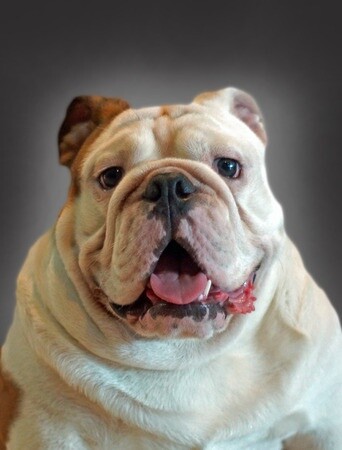
Common breeds include:
- Bulldogs
- Pugs
Typical mobility concerns:
Joint stiffness, arthritis, reduced endurance, and overheating that limits movement.
Aussie n Jeffs Reminder for Dog Parents
Every dog is unique. Mixed-breed dogs and breeds not listed here can still experience mobility issues, while some dogs from high-risk breeds may stay agile for years. The key is noticing changes early, slower walks, hesitation with stairs, stiffness after rest, or changes in posture.
These signs aren’t “just old age.” They’re signals your dog may need a little extra support.
Early Warning Signs of Mobility Decline in Senior Dogs
Mobility loss doesn’t usually happen overnight. In most cases, the signs start small and gradual, which makes them easy to miss—or dismiss as “just getting older.”
Catching these changes early can make a huge difference in your dog’s comfort, independence, and quality of life.
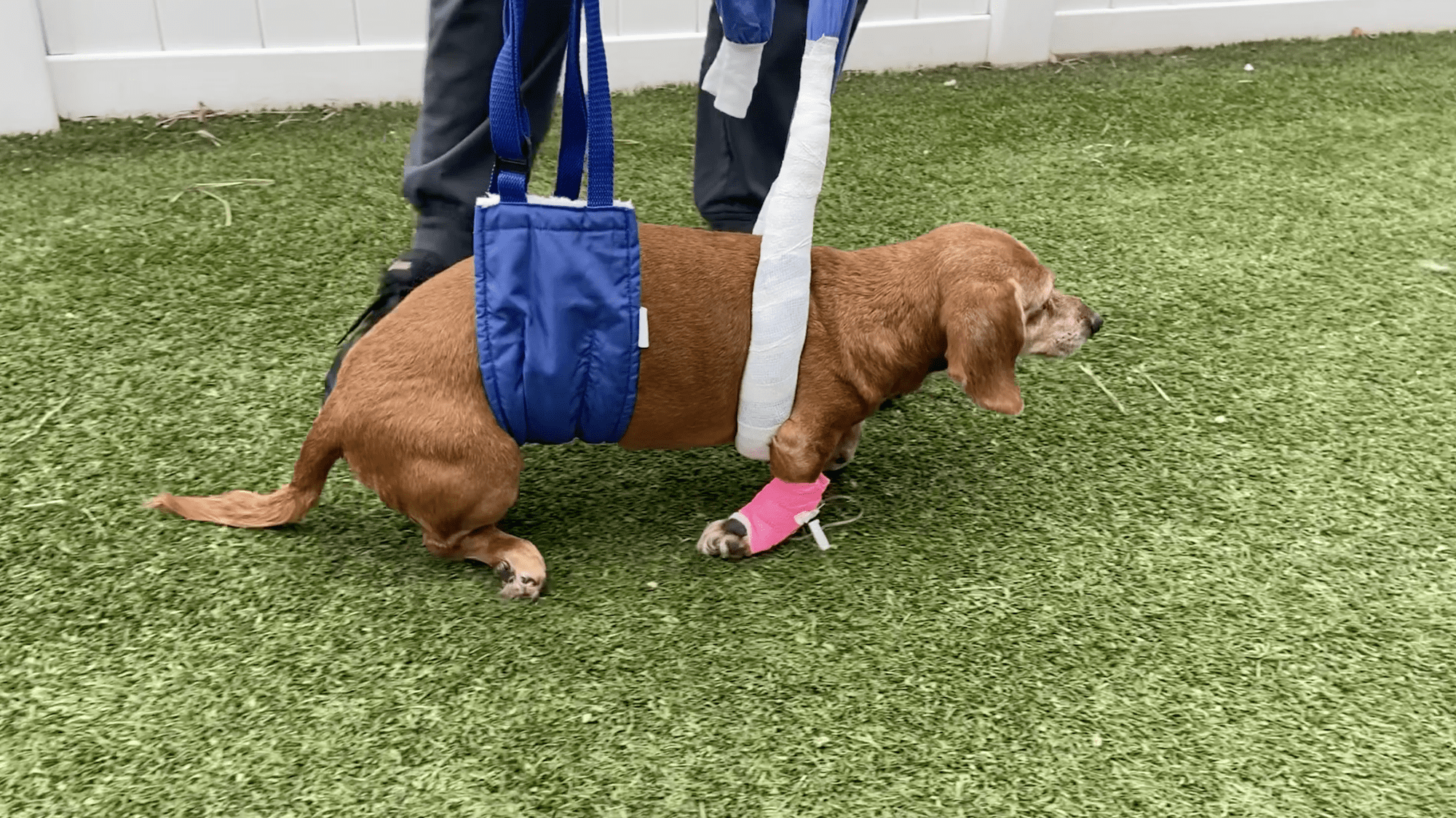
Subtle Signs That Often Go Unnoticed
These early clues are easy to overlook but are often the first indicators of joint or muscle discomfort:
- Taking longer to stand up or sit down
- Stiffness after sleeping or resting
- Moving more slowly on walks
- Hesitating before jumping onto furniture or into the car
- Lagging behind on walks they once enjoyed
Many dog parents assume these changes are normal aging, but they often signal the start of mobility decline.
Changes in Movement or Gait
Watch how your dog walks and positions their body:
- Limping or favoring one leg
- A “bunny hop” motion when running
- Shuffling or dragging paws
- A hunched back or lowered head while walking
- Rear legs seeming weaker than the front
Even occasional limping is worth paying attention to.
Behavioral Changes Linked to Discomfort
Pain and stiffness don’t just affect movement, they affect mood and behavior, too:
- Less interest in walks, playtime, or toys
- Avoiding stairs or certain areas of the house
- Increased irritability or sensitivity when touched
- Sleeping more than usual
- Pulling away when hips, legs, or back are handled
Dogs are incredibly good at hiding pain, so behavior changes are often their way of asking for help. Aussie now sleeps more during our winter months, and he also walks slower than during the warmer seasons.
Everyday Activities Becoming Difficult
Mobility decline often shows up during routine activities:
- Slipping on hard floors
- Trouble climbing stairs
- Difficulty squatting to potty
- Reluctance to get into or out of the car
- Occasional loss of balance
These moments can be frustrating—and sometimes embarrassing, for dogs, which is why gentle support matters so much.
An Important Reminder for Dog Parents
If you’re noticing one or more of these signs, it doesn’t mean you’ve failed your dog, and it doesn’t mean their best years are over.
It simply means:
Your dog may need extra support to stay comfortable and mobile.
The good news? There’s a lot you can do.
How Dog Parents Can Improve Mobility Based on Their Dog’s Breed
Mobility support works best when it’s tailored to your dog’s body type, size, and risk factors. While all senior dogs benefit from joint-friendly care, certain breeds need extra attention in specific areas.
Let’s walk through what helps most, starting with the breeds we mentioned earlier.
Large & Giant Breeds
(German Shepherds, Labs, Golden Retrievers, Great Danes, Rottweilers)
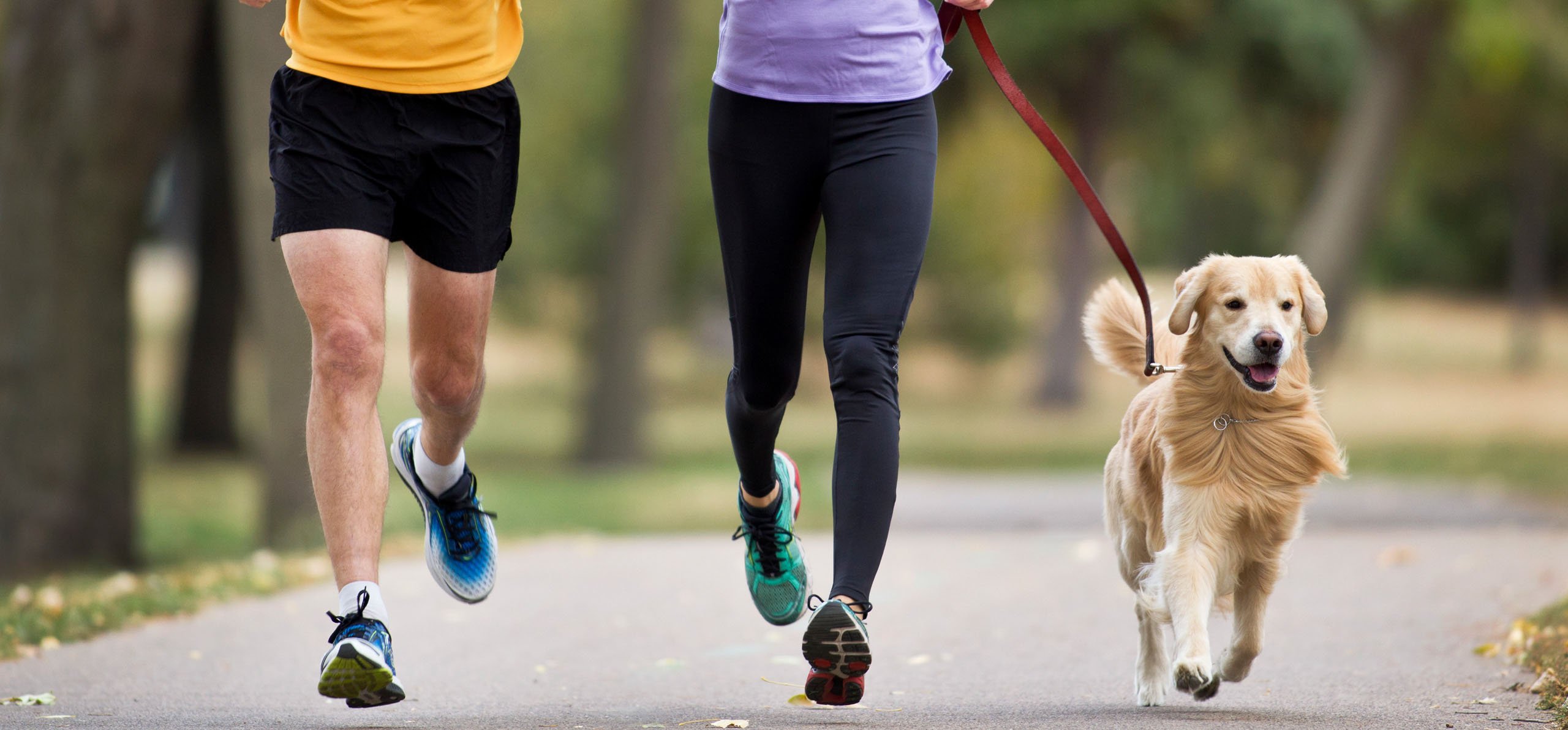
What Helps Most:
1. Joint Support Supplements
Look for supplements containing glucosamine, chondroitin, MSM, and omega-3 fatty acids. These help reduce inflammation and support cartilage health.
2. Low-Impact Exercise
Daily movement matters—but avoid high-impact activities.
Best options include:
- Short, frequent walks
- Swimming or water therapy
- Gentle incline walking (if tolerated)
3. Weight Management
Even a few extra pounds can significantly increase joint strain in large dogs. Keeping them lean is one of the most powerful mobility tools you have.
4. Orthopedic Bedding
Thick, supportive beds reduce pressure on hips and elbows and help dogs rise more easily.
Aussie is doing much better this winter despite the cold temps, the main change we made was to provide him two supplement biscuits each day. He has not been limping once so far this winter, so this simple addition has made a difference for him.
Small Breeds with Joint Sensitivities
(Yorkies, Chihuahuas, Pomeranians)
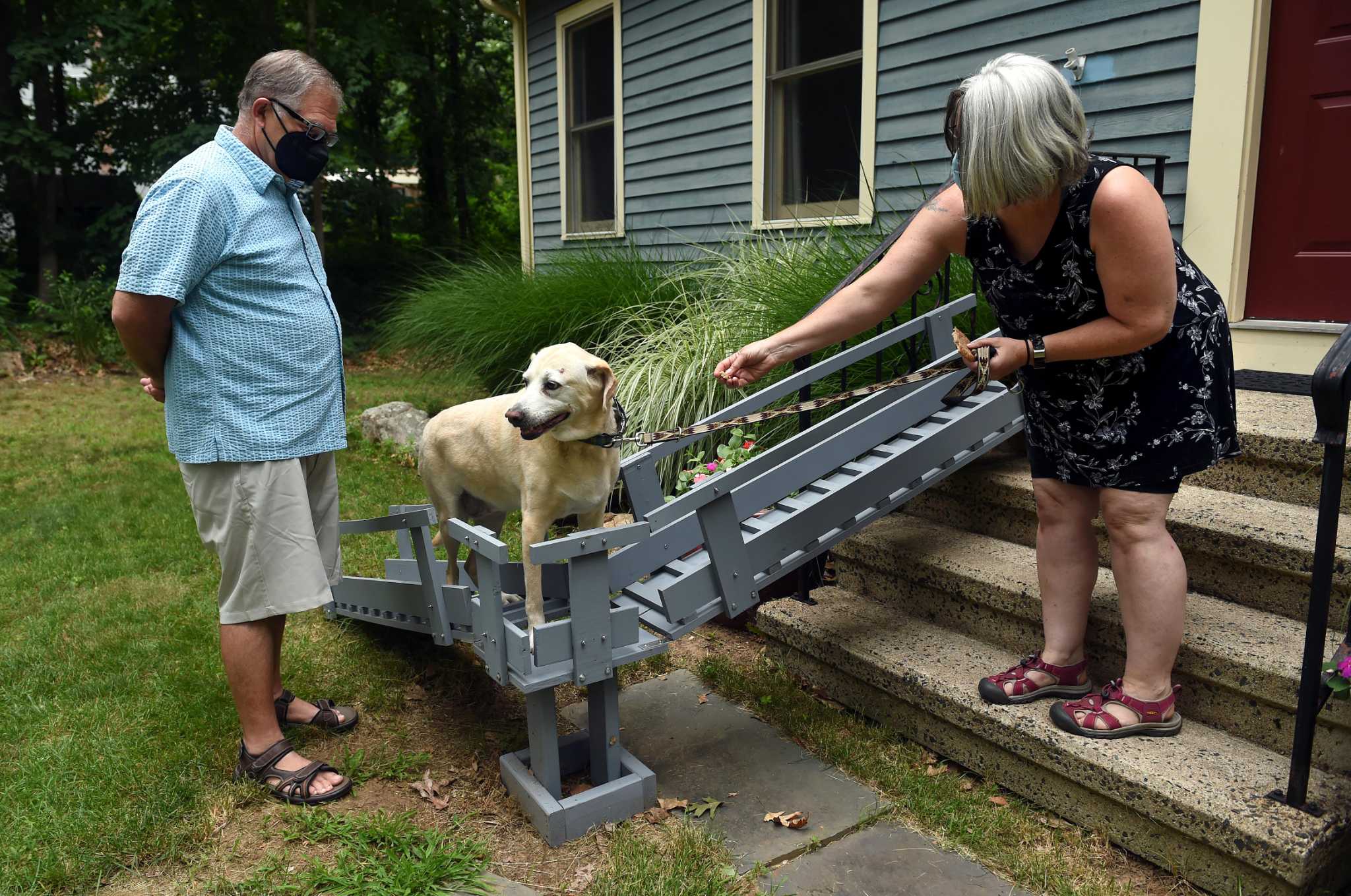
What Helps Most:
1. Ramps Instead of Jumping
Prevent knee strain by adding ramps to couches, beds, and entry steps.
2. Strength-Building Movement
Short indoor play sessions and slow leash walks help maintain muscle tone that stabilizes joints.
3. Non-Slip Flooring
Slipping worsens knee issues. Use rugs, runners, or traction mats on slick floors.
4. Consistent Vet Monitoring
Conditions like luxating patella can worsen over time—early intervention matters.
Long-Backed Breeds (Spinal Protection)
(Dachshunds, Corgis, Basset Hounds)
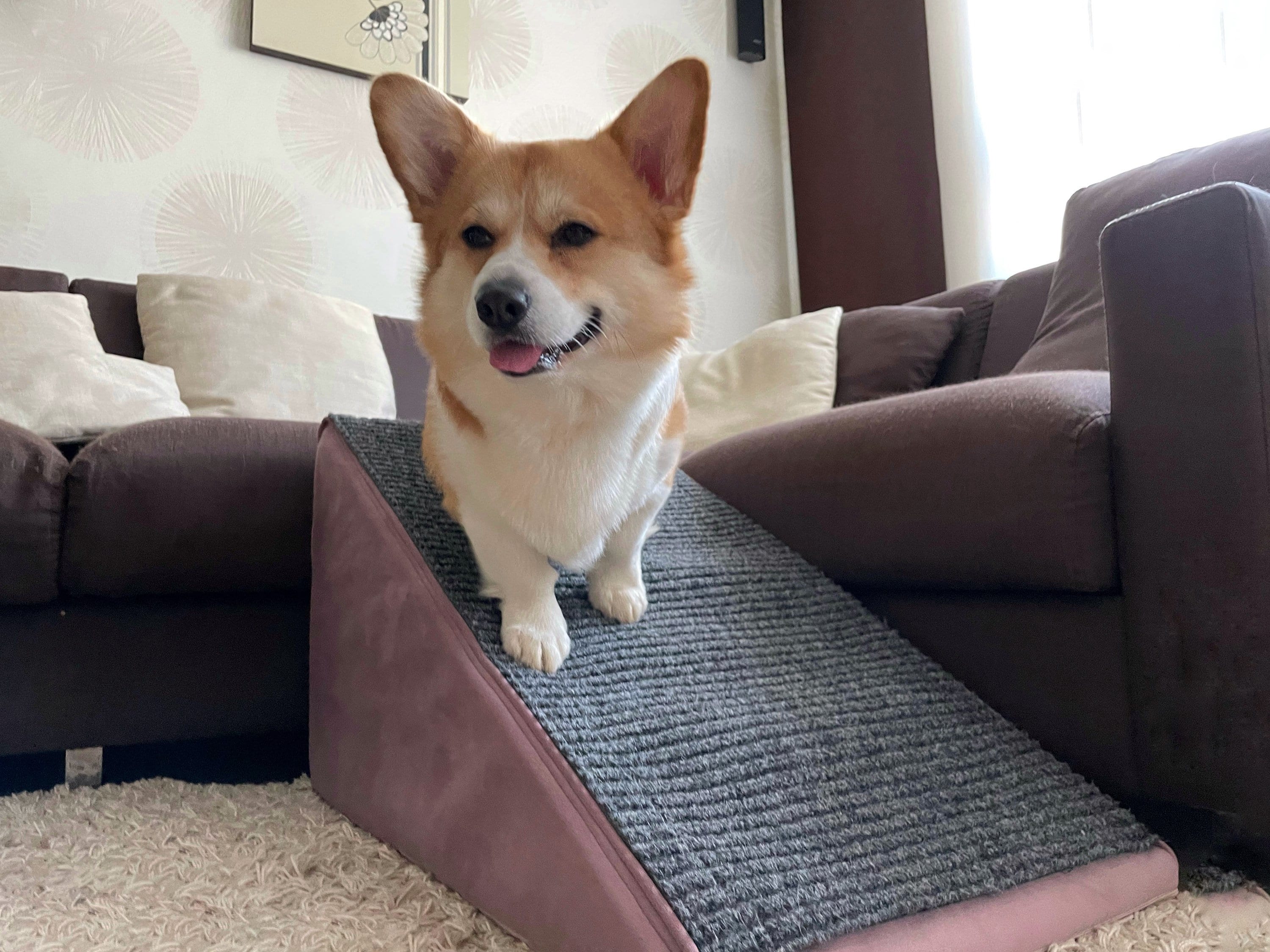
What Helps Most:
1. Strict Jump Prevention
Jumping is the #1 enemy of spinal health in these breeds. Ramps and step stools are essential.
2. Core-Supporting Exercise
Controlled walks on flat ground help strengthen muscles that support the spine.
3. Harnesses (Not Collars)
Harnesses reduce pressure on the neck and spine during walks.
4. Weight Control Is Critical
Extra weight dramatically increases spinal stress—keeping these dogs slim is non-negotiable for mobility.
Brachycephalic Breeds
(Bulldogs, Pugs)

What Helps Most:
1. Short, Cool Walks
Avoid heat and overexertion. Multiple brief walks are better than one long session.
2. Joint-Friendly Surfaces
Grass or rubberized paths are easier on joints than concrete.
3. Supportive Rest Areas
Frequent rest breaks and orthopedic beds help prevent stiffness.
4. Breathing-Aware Activity
Mobility work should never push breathing limits—slow and steady wins here.
A Message Every Dog Parent Needs to Hear
Improving mobility isn’t about “fixing” your dog.
It’s about supporting them where they are right now.
Small changes—ramps, better bedding, gentle movement, supplements—can dramatically improve:
- Comfort
- Confidence
- Independence
- Joy
Mobility Aids to Help Senior Dogs Stay Active and Comfortable
Mobility aids aren’t a sign that your dog is “giving up.”
They’re tools that reduce pain, prevent injury, and help dogs keep doing the things they love—safely.
Not every dog needs every aid. Many dog parents find that one or two small additions make a noticeable difference in confidence and comfort.
Ramps & Pet Stairs
Ideal for dogs who struggle with jumping or stairs

Best for:
- Small breeds with knee issues
- Long-backed breeds (like Dachshunds and Corgis)
- Large dogs with hip or joint stiffness
How they help:
- Reduce stress on joints and spine
- Prevent slips and falls
- Make couches, beds, and cars accessible again
Aussie n Jeffs Tip
Look for ramps with non-slip surfaces and a gentle incline.
Support Harnesses & Lifting Slings
Perfect for dogs with rear-leg weakness or balance issues
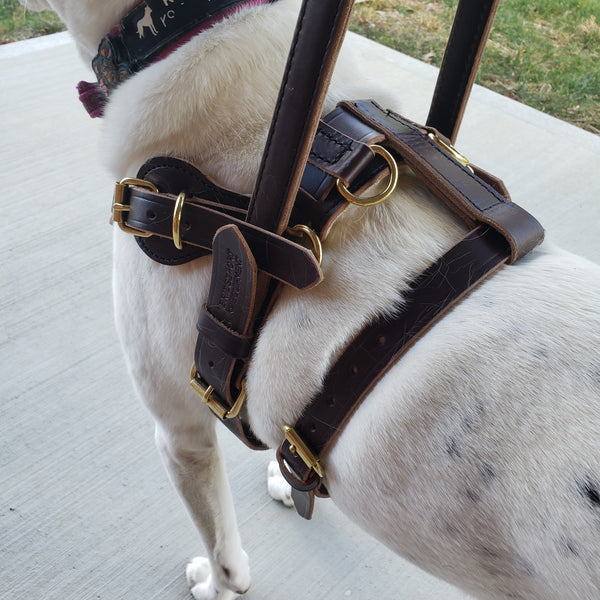
Best for:
- Dogs with arthritis or hip dysplasia
- Seniors struggling to stand or climb stairs
- Dogs recovering from injury
How they help:
- Provide stability without pain
- Help dog parents assist safely (no back strain)
- Encourage movement instead of avoidance
Many dogs walk more confidently once they feel supported.
Orthopedic Dog Beds
One of the simplest—and most effective—mobility aids
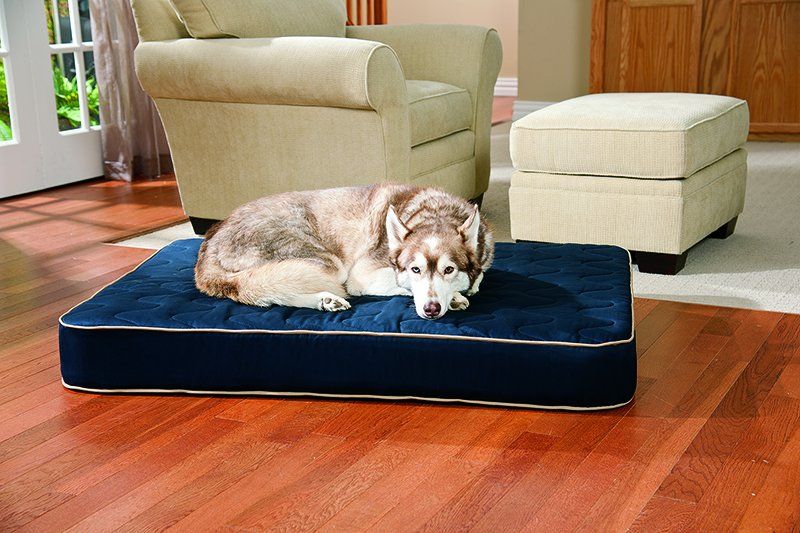
Best for:
- All senior dogs
- Dogs with arthritis or stiffness after rest
How they help:
- Reduce pressure on hips, elbows, and shoulders
- Improve sleep quality
- Make it easier to stand up after resting
Memory foam or pressure-relief beds tend to offer the most benefit.
Non-Slip Mats & Floor Runners
Often overlooked—but incredibly helpful

Best for:
- Dogs slipping on hardwood or tile
- Seniors losing confidence on slick floors
How they help:
- Prevent falls
- Improve traction and confidence
- Reduce anxiety around movement
Simple rugs, yoga mats, or traction socks can make a home instantly more senior-dog-friendly.
Dog Wheelchairs (When Needed)
For dogs with significant mobility loss

Best for:
- Dogs with advanced rear-leg weakness
- Neurological or spinal conditions
- Dogs who still want to move and explore
How they help:
- Restore independence
- Reduce frustration and depression
- Allow safe exercise without strain
Many dog parents are surprised by how quickly dogs adapt—and how happy they are once moving again.
A Reassuring Note for Dog Parents
Using mobility aids doesn’t mean your dog is “old” or “fragile.”
It means you’re proactively supporting their comfort and dignity.
The right aid can:
- Reduce pain
- Prevent injury
- Increase confidence
- Extend your dog’s active years
And sometimes… it brings back zoomies (the gentle kind
Simple Home Adjustments That Improve Mobility for Senior Dogs
Your home should support your dog—not challenge them.
As dogs age, everyday obstacles like slippery floors, stairs, and hard sleeping surfaces can quietly worsen mobility issues. The good news? A few small home changes can dramatically improve your dog’s comfort, safety, and confidence.
Make Floors Safer and Easier to Navigate
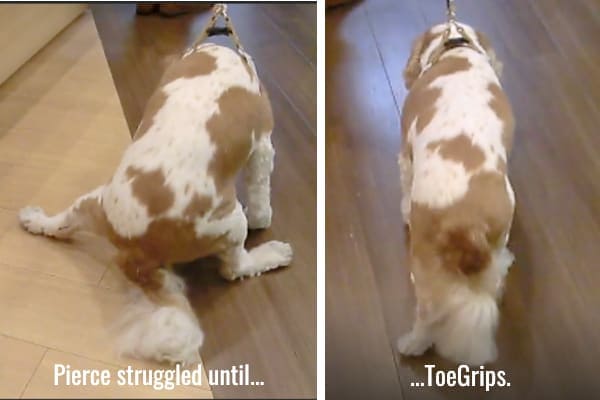
Slippery floors are one of the biggest mobility hazards for older dogs.
Helpful adjustments:
- Place rugs or runners along high-traffic paths
- Use yoga mats or traction mats near food bowls and beds
- Add non-slip pads under rugs to keep them secure
Why it matters
Better traction reduces falls, joint strain, and anxiety around movement.
Create Easy Access to Favorite Spaces
If your dog hesitates before getting on furniture or into the car, they’re telling you something.
Helpful adjustments:
- Add ramps or pet stairs to couches and beds
- Use a ramp for car access instead of lifting
- Block off unsafe staircases if needed
Why it matters
Reducing jumping protects joints, hips, and spines—especially in long-backed and large breeds.
Upgrade Sleeping & Rest Areas

Older dogs spend more time resting, so how they rest matters.
Helpful adjustments:
- Provide orthopedic or memory foam beds
- Choose beds with low sides or easy entry
- Place beds away from drafts and high-traffic areas
Why it matters
Proper support reduces stiffness and makes standing easier after rest.
Adjust Feeding & Drinking Stations
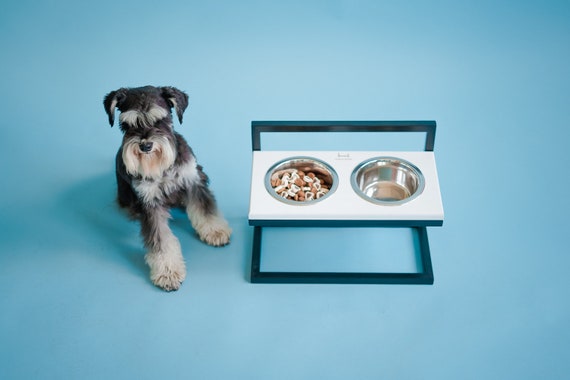
Even mealtime can strain joints for senior dogs.
Helpful adjustments:
- Use elevated food and water bowls
- Place bowls on non-slip mats
- Keep stations easily accessible
Why it matters
Less bending reduces strain on the neck, shoulders, and joints.
Improve Lighting & Visibility

Aging dogs may also experience vision changes.
Helpful adjustments:
- Add night lights in hallways and near stairs
- Keep pathways clear of clutter
- Maintain consistent furniture placement
Why it matters
Better visibility prevents hesitation, missteps, and falls.
Designate a Senior-Friendly Zone
Consider creating a calm, accessible area just for your dog.
Include:
- A supportive bed
- Easy access to water
- Minimal stairs or obstacles
- Quiet space away from chaos
This gives your dog a safe place to relax without navigating the whole house.
A Gentle Reminder for Dog Parents
You don’t need to change everything at once.
Start with:
✔ One rug
✔ One ramp
✔ One better bed
Aussie n Jeffs Shares
Helping Your Senior Dog Move Better and Feel Better
Mobility changes don’t mean the end of joy, play, or connection with your dog. They simply mean your dog needs a little more support—and a lot of understanding.
With awareness, simple adjustments, and consistent care, many senior dogs continue to live happy, active, and deeply fulfilling lives.
Extra Tips & Tricks to Support Your Dog’s Mobility Every Day
These small lifestyle changes can make a big difference when practiced consistently.
Keep Movement Gentle—but Consistent
Daily movement keeps joints lubricated and muscles engaged.
- Choose short, frequent walks over long ones
- Let your dog set the pace
- Warm up slowly and cool down calmly
- Skip high-impact play like jumping or sharp turns
Consistency matters more than intensity.
Maintain a Healthy Weight
Extra weight puts unnecessary strain on aging joints.
- Measure food portions carefully
- Reduce high-calorie treats
- Use low-impact movement to stay active
Even small weight changes can noticeably improve mobility.
Support Joint Health From the Inside
Nutrition plays a major role in mobility.
- Feed a high-quality, age-appropriate diet
- Consider vet-approved joint supplements
- Ensure constant access to fresh water
What your dog eats today affects how they move tomorrow.
Massage, Stretching & Warmth
Comfort-focused care goes a long way.
- Gentle massage can improve circulation and relaxation
- Warm compresses may ease stiffness
- Keep your dog warm in colder weather
These moments also strengthen your bond.
Pay Attention—and Adjust as Needed
Your dog will tell you what they need—often quietly.
- Watch for changes in movement or mood
- Adjust routines as your dog ages
- Check in with your vet regularly
Mobility support isn’t a one-time fix—it’s an ongoing conversation.
Be Patient and Kind
Your dog isn’t being stubborn, lazy, or difficult.
They’re adapting to a changing body—and they trust you to help them through it.
By making thoughtful adjustments and offering gentle support, you’re giving your dog something priceless:
comfort, confidence, and the ability to enjoy their golden years with dignity.
A Final Word From Aussie

If you’re reading this, it means you care deeply—and that already makes you an incredible dog parent.
Small changes.
Steady care.
Lots of love.
That’s how you help your senior dog keep moving—and keep wagging.
Where To Shop For Budget-Friendly Mobility Aids
These are the merchants I shop at the most for Aussie for his mobility aids, I highly recommend these for anyone who might be living on a fixed-income or just wants to get more for their money.
Thank you for reading ” How to Improve Mobility in Senior Dogs”,
Aussie n Jeff
Affiliate Disclosure
Amazon + Wealthy Affiliate + Friends
Aussie n Jeffs Promise To You
You will never find any affiliate links in any of my step-by-step guides on any of my websites, I feel that my guides are to educate you, not push products & services at you.
Affiliate Disclosure: Some of the links on this website may be affiliate links. This means that if you click a link and make a purchase, I may earn a small commission at no extra cost to you. These commissions help support 65 Plus Life, Boomer Biz HQ, and Dawg Solutions. so I can continue creating free resources for older adults.
Amazon Disclosure: As an Amazon Associate, I earn from qualifying purchases. Any Amazon links used throughout this website may earn a commission when you purchase through them.
Wealthy Affiliate Disclosure: I am also a proud affiliate of Wealthy Affiliate. If you choose to join their platform through my referral link, I may earn a commission. I only recommend Wealthy Affiliate because it has personally helped me build websites and create income online, and I believe it can help other older adults learn these skills too.
Thank you for supporting my work — it truly means a lot.
Aussie n Jeff
- How Technology Aids Special Needs DogsHow technology aids special need dogs lives to become better. What you are going to learn is from my experience with my own dog, right around the time his 7th birthday he began to develop special needs. Read Aussie and my true story with technology products that improved our lives. Affiliate Disclosure: Some of the … Read more
- Learn How Ai Helps Dogs With Disabilities At HomeLearn how ai helps dogs with disabilities at home. Making life easier for dogs with disabilities has totally changed for the better, thanks to AI. Dogs dealing with sight problems, hearing loss, or even mobility issues can now enjoy their home life a lot more comfortably. AI-driven products and smart gadgets are making a real … Read more
- Understanding AI In Pet Training For New Dog OwnersUnderstanding AI in pet training for new dog owners is an educational article. AI is growing dramatically with so many awesome tools in every part of our lives, and pet training is becoming easier for new dog owners then other before. Affiliate Disclosure Amazon + Friends Affiliate Disclosure: Some of the links on this website … Read more
- 10 Best Dog Products For Budget Owners On Fixed Incomes10 best dog products for budget owners on fixed-incomes is to save you time and money. Many dog owners in their senior years are living on fixed-incomes with dogs, so this article is for those of you who might be in this situation. Affiliate Disclosure Amazon + Friends Affiliate Disclosure: Some of the links on … Read more
- Top Nutritional Needs Of Picky Small Dog BreedsTop nutritional needs of picky small dog breeds was inspired by my mothers yorkie terrier, she thinks she is too good to eat dog food. No matter if its kibbles or canned, she will go hungry before giving in. My mother worries that she is not getting the nutritional needs that she needs, so that … Read more
This is such a reassuring read. I’ve felt a bit overwhelmed trying to support my senior dog, but the step-by-step ideas like adding a ramp and switching to an orthopedic bed feel doable and even within my budget. The part about keeping movement gentle but consistent hit home; I used to think more exercise was better, but now I see how “slow and steady” is the right mindset for him. Thank you for the practical tips.
Michael
Thank you Michael,
I allow my dog, Aussie to dictate how much exercise he receives and how long at a time. Who knows better than the senior dog themselves, so instead of worrying about how much exercise to give your dog allow them to tell you when it is time to quit.
Jeff