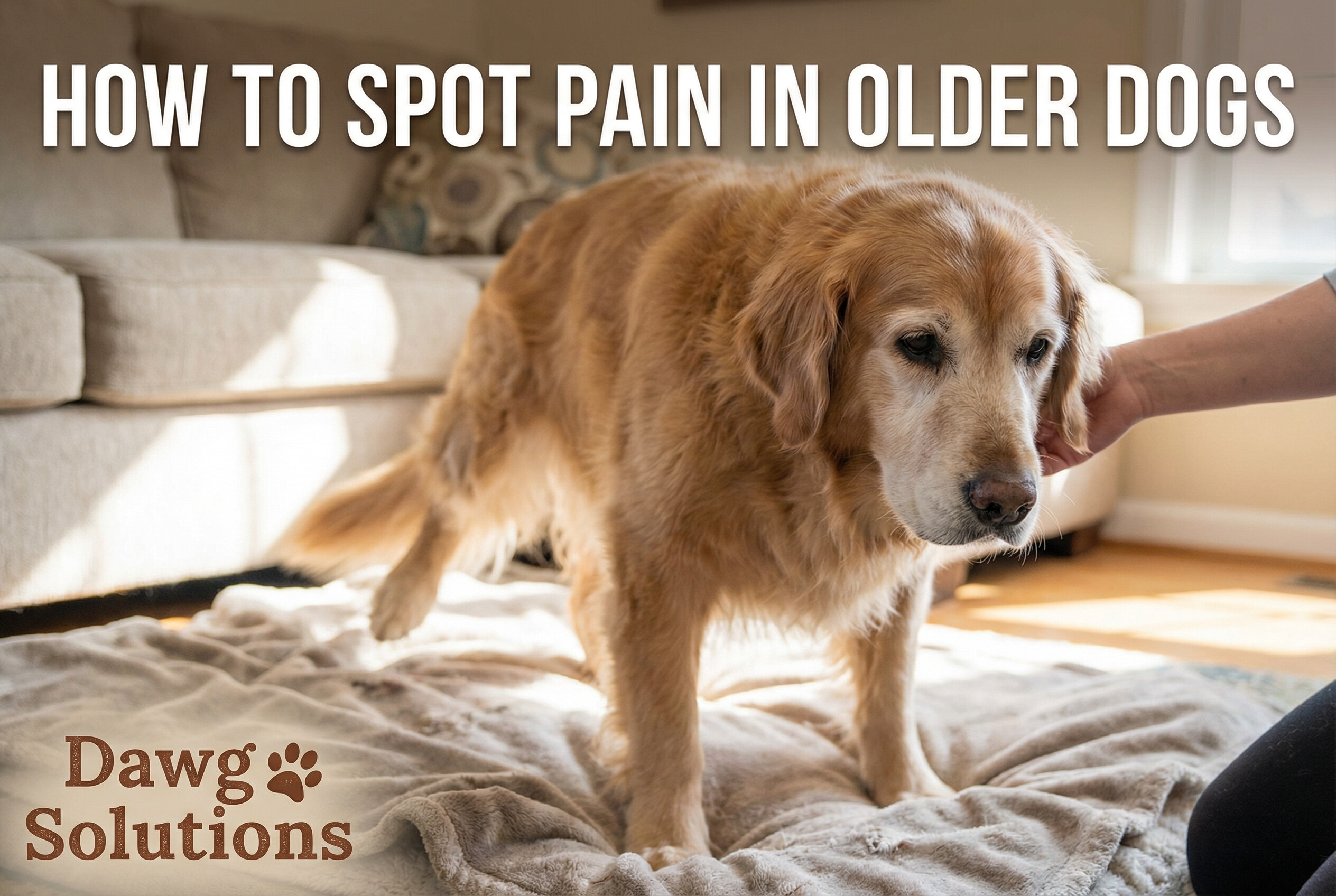
How to sport pain in older dogs with arthritis can be harder than you might think, our dogs are extremely good at hiding their pain from us. We are going to learn what to look for in our senior dogs, so if this is something that concerns you read my article to learn more.
Affiliate Disclosure
Amazon + Wealthy Affiliate + Friends
Aussie n Jeffs Promise To You
You will never find any affiliate links in any of my step-by-step guides on any of my websites, I feel that my guides are to educate you, not push products & services at you.
Affiliate Disclosure: Some of the links on this website may be affiliate links. This means that if you click a link and make a purchase, I may earn a small commission at no extra cost to you. These commissions help support 65 Plus Life, Boomer Biz HQ, and Dawg Solutions. so I can continue creating free resources for older adults.
Amazon Disclosure: As an Amazon Associate, I earn from qualifying purchases. Any Amazon links used throughout this website may earn a commission when you purchase through them.
Wealthy Affiliate Disclosure: I am also a proud affiliate of Wealthy Affiliate. If you choose to join their platform through my referral link, I may earn a commission. I only recommend Wealthy Affiliate because it has personally helped me build websites and create income online, and I believe it can help other older adults learn these skills too.
Thank you for supporting my work — it truly means a lot.
Jeff
How To Spot Pain In Older Dogs
Your dog has always been tough.
They’ve shaken off scrapes, bounced back from injuries, and powered through life with that quiet, loyal resilience you’ve come to admire. So when they slow down just a bit… you assume it’s normal. When they hesitate before jumping on the couch… you chalk it up to age. When they sleep more, play less, or seem “a little off,” you tell yourself they’re just getting older.
But what if it’s not just age?
Here’s the hard truth most dog owners never hear: older dogs are masters at hiding pain. It’s not stubbornness or strength—it’s instinct. And by the time pain becomes obvious, it’s often been there far longer than we realize.
The most heartbreaking part? Many senior dogs suffer in silence while their people—loving, attentive people—miss the signs simply because they don’t know what to look for.
If you share your life with an aging dog, this matters. A lot. Because the clues are there… subtle, easy to dismiss, and dangerously quiet. Learning to spot them can mean the difference between years of unnecessary discomfort and a happier, more comfortable life for the dog who’s given you everything.
Let’s talk about how to see what your dog can’t say.
Early Warning Signs of Pain in Older Dogs Most People Overlook
Pain in senior dogs rarely shows up as crying, limping, or yelping. More often, it whispers instead of shouts. The trouble is, those whispers are easy to miss—or explain away as “just getting older.”

Here’s what to watch for.
1. Subtle Changes in Movement
Your dog may still walk, run, and climb—but not quite the same way.
- Hesitating before standing up or lying down
- Taking longer to get settled
- Moving more stiffly after naps
- Avoiding stairs, jumping, or uneven surfaces
These aren’t personality changes. They’re often signs of joint pain, arthritis, or muscle discomfort your dog is trying to manage quietly.
2. “He’s Just Slowing Down” Energy Shifts
One of the most commonly missed red flags is a gradual drop in enthusiasm.
- Shorter walks than usual
- Less interest in toys or play
- Choosing rest over activities they once loved
A slower pace doesn’t automatically mean pain—but when it replaces joy or eagerness, it deserves attention.
3. Changes in Posture or How They Sit and Sleep
Dogs in pain adapt their bodies to protect sore areas.
- Sitting off to one side
- Sleeping in unusual positions
- Frequently changing positions while resting
- Avoiding curling up like they used to
These adjustments are often your dog’s way of finding the least painful position.
4. Grooming and Hygiene Habits Shift
Pain can make simple tasks uncomfortable.
- Reluctance to be brushed or touched in certain spots
- Skipping self-grooming
- A coat that looks dull or unkempt
- Resistance during nail trims or paw handling
What looks like fussiness may actually be tenderness or soreness.
5. Personality Changes You Can’t Quite Explain
This one hits hard—and often gets misunderstood.
- Becoming withdrawn or less social
- Irritability or snapping when touched
- Clinginess or anxiety that wasn’t there before
- Wanting to be alone more often
Pain changes how dogs interact with the world, and behavior is often their loudest clue.
6. Appetite and Eating Habits Shift
Pain doesn’t always stop dogs from eating—but it can change how they eat.
- Eating more slowly
- Dropping food
- Avoiding hard kibble or chews
- Skipping meals occasionally
Dental pain, neck discomfort, or overall aches can all show up at mealtime.
7. Changes in Breathing, Panting, or Vocalizing
Some signs are quiet—but persistent.
- Panting when not hot or exercising
- Whining, groaning, or sighing when lying down
- Restlessness at night
These can indicate discomfort that worsens when the body relaxes.
Why These Signs Matter
Individually, these changes may seem minor. Together, they tell a story.
Your dog isn’t being dramatic. They aren’t “acting old.” They’re adapting—doing their best to live around pain instead of showing it.
The earlier you recognize these warning signs, the sooner you can step in, talk to your vet, and make changes that dramatically improve your dog’s comfort and quality of life.
Jeff Shares
Aussie n Jeff are Devoted to Helping Dog Owners With Older Dogs
With Aussie I notice during the winter months, especsially when temps are dropping at night. He makes odd noises as he is laying on my bed while I work on my articles for you, that got me wondering is he in pain or are these noises just from him getting older in age.
Aussie Shares

Hi.
It’s me… Aussie.
I know sometimes you hear me make those little noises when I’m lying on the bed or settling in for the night—especially when it’s cold. The soft groans. The long sighs. The sounds that make you pause and wonder if something’s wrong.
I’m not trying to worry you.
Truth is, my body just doesn’t feel the way it used to.
When the nights get colder, my joints feel tighter. Stiffer. It takes me longer to get comfortable, and when I finally lower myself down, it can ache in places I can’t explain. Those noises? They’re not complaints. They’re just me adjusting… finding a spot that hurts a little less.
Aussie Explains
Sometimes when I sigh, it’s not because I’m annoyed or tired of you. It’s relief.
Sometimes when I groan, it’s my body letting go after holding tension all day.
I don’t cry out. I don’t limp dramatically. I don’t want to make a fuss. Dogs like me were built to push through discomfort and stay quiet about it. But if you’re listening closely, my body is still talking.
The good news?
When you notice.
When you add an extra blanket.
When you let me take my time getting settled.
When you understand those sounds instead of brushing them off…
That’s when I feel safe.
That’s when I feel cared for.
That’s when the pain doesn’t feel quite so heavy.
I’m still me. I still love my walks, my people, and my cozy spot on the bed. I just need a little more patience—and a little more help—than I used to.
Thanks for listening.
Love,
Aussie
What Those Odd Noises Really Mean
As dogs age, the simple act of getting comfortable becomes a physical process. What once took seconds can now take minutes—and the sounds that come with it are your dog’s body communicating discomfort, stiffness, or relief.
Here’s what you’re hearing, and why it happens.
Low Groans and Grunts
These are the most common sounds senior dogs make when lying down or changing positions.
What’s happening:
- Stiff joints resisting movement
- Arthritic hips, knees, or elbows under pressure
- Muscles tightening after a long day
That groan isn’t drama—it’s effort. It’s your dog easing weight off sore areas or lowering themselves carefully to avoid a jolt of pain.
Long Sighs
Sighing often happens once your dog finally settles.
What it usually means:
- Muscles relaxing after tension
- Relief from pressure on aching joints
- A nervous system finally calming down
Many owners assume sighing means annoyance. In older dogs, it’s more often release.
Soft Whining or Whimpering
These sounds can be brief and easy to miss.
Possible causes:
- A twinge of pain during movement
- Discomfort from a hard or cold surface
- Difficulty finding a position that doesn’t hurt
Cold weather makes this worse by tightening muscles and reducing joint flexibility.
Heavy or Shallow Breathing
You may notice changes in breathing as your dog lies down.
Why it happens:
- Pain increases breathing effort
- Tension in the chest or abdomen
- Discomfort that makes it hard to fully relax
Once comfortable, breathing usually evens out. If it doesn’t, it’s worth noting.
Repeated Shifting and Circling
The sounds often come with constant repositioning.
This usually signals:
- Pressure points that hurt after a short time
- Joint stiffness that worsens when still
- Difficulty maintaining one position
Each shift is your dog trying to negotiate with their own body.
Why These Noises Are Louder at Night (and in Cold Weather)
Pain doesn’t disappear when the day ends—it often becomes more noticeable.
At night:
- Activity stops, so discomfort is harder to ignore
- Inflammation can increase after a full day of movement
- Cold temperatures stiffen joints and muscles
Your dog isn’t suddenly “worse” at bedtime. They’re just finally still enough to feel it.
When These Sounds Are Normal—and When They’re Not
Occasional grunts or sighs can be normal in aging dogs. But pay attention if you notice:
- Noises becoming more frequent or louder
- Signs of distress instead of brief discomfort
- Restlessness that lasts a long time
- Sudden changes from your dog’s usual routine
Those changes deserve a conversation with your vet.
The Takeaway
Older dogs don’t complain loudly. They negotiate.
They adjust.
They breathe through it.
Those odd nighttime noises aren’t quirks—they’re clues. And when you understand them, you’re no longer guessing. You’re listening.
What Dog Parents Can Do to Comfort Their Older Dog

You can’t stop time.
But you can make aging kinder, softer, and far more comfortable for the dog who’s walked beside you for years.
Small changes—done consistently—make a big difference.
1. Create a Warm, Supportive Sleep Space
Cold and hard surfaces are rough on aging joints.
What helps:
- An orthopedic or memory foam bed
- Extra blankets at night, especially in cooler weather
- Letting your dog choose their favorite sleeping spot (even if it’s your bed)
Warmth increases blood flow and reduces stiffness. Sometimes, comfort starts with something as simple as another layer.
2. Give Them Time—Never Rush Their Movements
Older dogs need patience more than anything.
- Allow extra time to stand, lie down, or change positions
- Avoid encouraging jumps onto furniture or into cars
- Use ramps or steps when possible
Rushing creates stress—and stress increases pain.
3. Gentle Touch, Not Pressure
Touch can be incredibly soothing when done the right way.
Try:
- Slow, gentle petting instead of deep pressure
- Light massage around (not on) stiff joints
- Warming your hands before touching sensitive areas
Pay attention to their response. If they lean in, you’re helping. If they tense or pull away, adjust.
4. Keep Them Moving—Just Differently
Movement is still important, even with pain.
- Shorter, more frequent walks
- Flat, even surfaces
- Letting your dog set the pace
Regular movement keeps joints lubricated and prevents stiffness—but overdoing it can backfire.
5. Stick to a Predictable Routine
Pain feels worse when dogs feel unsure.
Consistency helps by:
- Reducing anxiety
- Preventing sudden movements or surprises
- Helping their body anticipate rest and activity
Familiar routines create emotional comfort, which often eases physical discomfort too.
6. Make the Floor Safer
Slipping causes strain and fear.
Consider:
- Non-slip rugs or runners
- Keeping nails trimmed for better traction
- Avoiding slick floors when possible
Confidence in movement reduces tension throughout the body.
7. Talk to Your Vet—Early and Honestly
You don’t need to wait for severe pain to speak up.
Share:
- The noises you’re hearing
- Changes in sleep, movement, or behavior
- When pain seems worse (night, cold weather, after activity)
Pain management options—medications, supplements, physical therapy, or lifestyle changes—work best when started early.
One Last Thing That Matters More Than You Think
Your dog doesn’t need you to fix everything.
They need you to notice.
When you listen to their sounds…
When you adjust your home…
When you slow down for them…
You’re already doing the most important part.
Online Vet Resources for Expert Pet Care
Vetster – Online Vet Appointments (24/7)
Vetster lets you schedule virtual visits with licensed veterinarians and veterinary technicians on your schedule. You can receive personalized guidance, and in many cases vets can prescribe medications if appropriate.
Chewy – Connect With a Vet
Chewy’s service offers live chat with licensed vet techs (usually free) and optional scheduled video consultations with vets for general questions, behavior concerns, and care guidance.
Pawp – 24/7 Online Vet Support
Pawp provides continuous access to veterinary professionals through its app, offering real-time advice, unlimited consultations, and personalized care plans.
Telavets – Virtual Vet Visits & Prescriptions
Telavets offers on-demand online vet appointments with licensed veterinarians for health consultations and convenient access to prescriptions and care guidance.
Tips for Using Online Vet Services
- Know what they offer: Some platforms focus on advice and triage, while others may also provide prescriptions after a video exam.
- Check availability: A few services have state-specific offerings, so what’s available can vary from place to place.
- Not a replacement for emergencies: If your dog has severe pain, trouble breathing, or sudden collapse, go to a local vet or emergency clinic right away.
Aussie suggested I include these resources in this article for you, so I do hope you will find these helpful websites to consider.
Listening Is the Greatest Gift You Can Give
Your older dog isn’t being difficult.
They aren’t “just old.”
They aren’t asking for much.
They’re simply communicating in the only ways they can—through slower movements, quiet sighs, restless nights, and those soft noises you hear when the house finally goes still.
The truth is, pain in senior dogs rarely announces itself loudly. It settles in quietly, waiting for someone who knows how to listen.
Now you do.
By recognizing the early warning signs, understanding what those nighttime sounds really mean, and making small, thoughtful changes to your dog’s daily comfort, you can dramatically improve their quality of life. Not someday. Tonight.
Aging doesn’t have to mean suffering. With the right support, your dog can remain comfortable, mobile, and emotionally secure well into their golden years.
Quick & Important Note From Aussie n Jeff
The information shared in this article is meant to educate, support, and empower dog parents—not replace professional veterinary care.
Every dog is unique. Age, breed, medical history, and lifestyle all play a role in how pain shows up and how it should be treated. If your dog is showing signs of ongoing discomfort, sudden changes, or worsening symptoms, always consult your veterinarian or a licensed veterinary professional.
Think of this guide as a starting point—a way to better understand what your dog may be telling you, so you can have more informed, meaningful conversations with the professionals who care for their health.
Bonus for Visting Dawg Solutions
If you’re still here, that tells me one thing: you really care about your dog’s comfort—and that deserves something extra.
Thank you
As a thank-you, I’ve put together a carefully selected collection of relax and secure solutions for senior dogs—items that can help ease joint stiffness, improve rest, and make everyday movement a little gentler.
Explore Our Relax & Secure Resources for Older Dogs
These are tools I recommend because they support what aging dogs actually need: warmth, stability, support, and relief—especially during colder nights and quiet evenings when pain tends to speak the loudest.
Your dog may not be able to say “thank you”…
…but they’ll feel it in every easier step, deeper sleep, and more peaceful night.
Thank you for reading ” How to Spot Pain in Older Dogs”,
Aussie n Jeff
Take the Next Step for Your Dog’s Comfort
If you’re ready to turn awareness into action, I’ve put together trusted comfort and mobility solutions designed specifically for older dogs—things that ease joint stress, improve rest, and help them move with more confidence and less pain.
Visit our Comfort & Mobility Resources for Senior Dogs
These are simple tools that can make a real difference—especially during colder nights, after long days, or when movement just isn’t as easy as it used to be.
Because your dog has spent their life taking care of you.
Now it’s your turn to take care of them—with patience, understanding, and love.
Frequently Asked Questions About Pain in Older Dogs
How can I tell if my older dog is in pain?
Older dogs often hide pain. Common signs include stiffness, difficulty lying down or getting up, reduced activity, behavioral changes, nighttime restlessness, unusual vocalizations (groaning or sighing), and changes in appetite or sleep. Subtle, gradual changes are often the earliest clues.
Is it normal for senior dogs to groan or sigh when lying down?
Occasional groaning or sighing can be common in older dogs, especially as joints stiffen with age. However, frequent or worsening noises may indicate discomfort, joint pain, or arthritis and should be monitored closely.
Why does my dog seem more uncomfortable at night?
Pain often becomes more noticeable at night because your dog is no longer distracted by activity. Inflammation can increase after a full day of movement, and cooler temperatures can cause joints and muscles to stiffen, making nighttime more uncomfortable for senior dogs.
Can cold weather make joint pain worse in older dogs?
Yes. Cold temperatures can reduce joint flexibility and increase stiffness, especially in dogs with arthritis or mobility issues. Providing warmth, soft bedding, and drafts-free sleeping areas can help reduce discomfort.
What can I do at home to help my senior dog feel more comfortable?
You can help by providing orthopedic bedding, adding extra blankets for warmth, using non-slip rugs, keeping nails trimmed, allowing more time for movement, maintaining gentle daily exercise, and sticking to a predictable routine.
When should I talk to my vet about my dog’s pain?
You should contact your veterinarian if your dog’s discomfort is persistent, worsening, interfering with sleep or mobility, or accompanied by behavioral changes, appetite loss, or distress. Early intervention often leads to better outcomes.
Are online vet services helpful for senior dog pain concerns?
Online vet services can be helpful for guidance, monitoring symptoms, and deciding whether an in-person visit is needed. They are not a replacement for emergency care or hands-on examinations but can be a valuable support tool for ongoing concerns.
Does slowing down always mean my dog is in pain?
Not always, but slowing down should never be dismissed automatically as “just aging.” A noticeable loss of enthusiasm, reluctance to move, or avoidance of once-enjoyed activities may indicate pain or discomfort that deserves attention.
I hope you have found the information educational and helpful, that is what Dawg Soltutions is all about. Helping dog owners with older dogs live a comfortable life as they age.
Affiliate Disclosure
Amazon + Wealthy Affiliate + Friends
Aussie n Jeffs Promise To You
You will never find any affiliate links in any of my step-by-step guides on any of my websites, I feel that my guides are to educate you, not push products & services at you.
Affiliate Disclosure: Some of the links on this website may be affiliate links. This means that if you click a link and make a purchase, I may earn a small commission at no extra cost to you. These commissions help support 65 Plus Life, Boomer Biz HQ, and Dawg Solutions. so I can continue creating free resources for older adults.
Amazon Disclosure: As an Amazon Associate, I earn from qualifying purchases. Any Amazon links used throughout this website may earn a commission when you purchase through them.
Wealthy Affiliate Disclosure: I am also a proud affiliate of Wealthy Affiliate. If you choose to join their platform through my referral link, I may earn a commission. I only recommend Wealthy Affiliate because it has personally helped me build websites and create income online, and I believe it can help other older adults learn these skills too.
Thank you for supporting my work — it truly means a lot.
Jeff
- How Technology Aids Special Needs DogsHow technology aids special need dogs lives to become better. What you are going to learn is from my experience with my own dog, right around the time his 7th birthday he began to develop special needs. Read Aussie and my true story with technology products that improved our lives. Affiliate Disclosure: Some of the … Read more
- Learn How Ai Helps Dogs With Disabilities At HomeLearn how ai helps dogs with disabilities at home. Making life easier for dogs with disabilities has totally changed for the better, thanks to AI. Dogs dealing with sight problems, hearing loss, or even mobility issues can now enjoy their home life a lot more comfortably. AI-driven products and smart gadgets are making a real … Read more
- Understanding AI In Pet Training For New Dog OwnersUnderstanding AI in pet training for new dog owners is an educational article. AI is growing dramatically with so many awesome tools in every part of our lives, and pet training is becoming easier for new dog owners then other before. Affiliate Disclosure Amazon + Friends Affiliate Disclosure: Some of the links on this website … Read more
- 10 Best Dog Products For Budget Owners On Fixed Incomes10 best dog products for budget owners on fixed-incomes is to save you time and money. Many dog owners in their senior years are living on fixed-incomes with dogs, so this article is for those of you who might be in this situation. Affiliate Disclosure Amazon + Friends Affiliate Disclosure: Some of the links on … Read more
- Top Nutritional Needs Of Picky Small Dog BreedsTop nutritional needs of picky small dog breeds was inspired by my mothers yorkie terrier, she thinks she is too good to eat dog food. No matter if its kibbles or canned, she will go hungry before giving in. My mother worries that she is not getting the nutritional needs that she needs, so that … Read more
Wait, I am actually so glad I found this post on Dawg Solutions. ???? My senior lab, Max, is literally my soulmate, but watching him get older has been such a mood shift. I spent the last few months thinking he was just “getting lazy” because he’s a senior, but after reading this, I realized he was actually showing low-key signs of arthritis that I totally missed. As a Gen Z pet parent, I’m obsessed with him living his best life for as long as possible, but I definitely had to learn the “signs” the hard way.
Hello Leah
It is awesome that you understood Max was not being an old lazy dog. He was experiencing arthritis and stiff joints afterall, I thank you for sharing your experience with Max.
Jeff