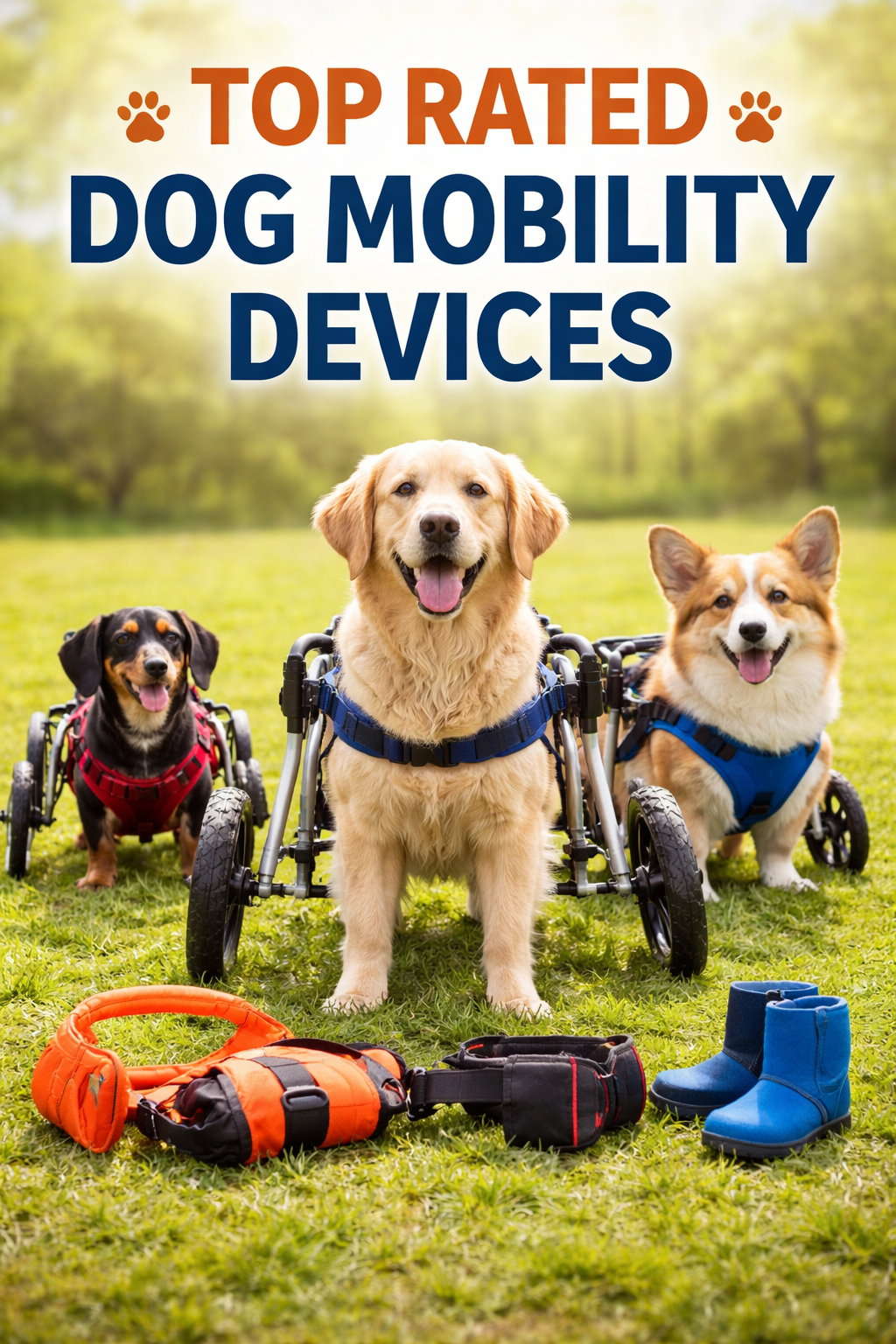
Top rated dog mobility devices for arthritis. Just like you and me, older dogs can experience mobility problems due to arthritis. By knowing the best mobility devices on the market, you can provide your dog the comfort to enjoy the rest of their lives.
Affiliate Disclosure
Amazon + Friends
Affiliate Disclosure: Some of the links on this website may be affiliate links. This means that if you click a link and make a purchase, I may earn a small commission at no extra cost to you. These commissions help support 65 Plus Life and Boomer Biz HQ, and Dawg Solutions. so I can continue creating free resources for older adults.
Amazon Disclosure: As an Amazon Associate, I earn from qualifying purchases. Any Amazon links used throughout this website may earn a commission when you purchase through them.
Thank you for supporting my work — it truly means a lot.
Jeff
Red Flags Your Dog May Need a Mobility Device
As dogs age—or deal with injury or illness—their mobility can decline slowly or sometimes seemingly overnight. The tricky part? Many dogs hide discomfort incredibly well.
Learn How Comfort Dog Products Help Reduce Anxiety
Here are the most common warning signs that your dog may benefit from a mobility aid:
1. Difficulty Standing Up
If your dog struggles to rise after lying down, especially on hard surfaces, it’s a major early indicator of joint pain or weakness.
You might notice:
- Rocking back and forth before standing
- Using furniture for support
- Needing your help to get up
This is often one of the first signs of arthritis or hip issues.
2. Slipping or Losing Balance
Does your dog slip on tile or hardwood floors more than they used to?
This could mean:
- Weak rear legs
- Loss of coordination
- Reduced muscle strength
Frequent slipping isn’t just frustrating—it increases the risk of injury.
3. Reluctance to Walk, Run, or Play
If your once-active dog suddenly:
- Avoids walks
- Stops chasing toys
- Tires quickly
…it’s not just “slowing down”—it could be discomfort or pain.
Dogs don’t complain—they withdraw.
4. Trouble with Stairs or Jumping
Pay attention if your dog:
- Hesitates at stairs
- Refuses to jump on the couch or bed
- Needs to be carried more often
These are classic signs of joint stress, especially in hips and knees.
5. Dragging Paws or Knuckling
This is a big one—and often overlooked.
Watch for:
- Scuffed nails
- Drag marks on the floor
- Walking on the top of the paw
This can indicate neurological issues or severe weakness and should be taken seriously.
6. Muscle Loss in the Back Legs
Take a look at your dog’s hind legs.
Do they appear thinner than before?
Muscle atrophy is a sign your dog isn’t using those muscles properly—often due to pain or instability.
7. Accidents in the House
If a previously house-trained dog starts having accidents, it may not be behavioral.
Sometimes they simply:
- Can’t get up fast enough
- Can’t make it outside in time
Mobility—not discipline—may be the issue.
8. Changes in Mood or Behavior
Pain and mobility issues often show up as personality changes.
You might see:
- Irritability
- Withdrawal
- Less interaction with family
A dog that doesn’t feel good won’t act like themselves.
Senior Dog Owner Alert
If you’re noticing even a couple of these signs, you’re not overreacting.
Catching mobility issues early can:
- Reduce pain
- Prevent further injury
- Greatly improve your dog’s quality of life
And the good news? There are more solutions available today than ever before.
How to Shop for Dog Mobility Devices Without Overspending
Mobility aids can be life-changing for your dog—but they don’t have to drain your wallet.
How To Choose Mobility Aids For Dogs Simple Easy Tips
Here’s how to shop smart, avoid common mistakes, and get the best value for your money.
Start with the Right Type Not the Most Expensive
Before you even look at prices, match the device to your dog’s actual needs.
Most mobility aids fall into a few key categories:
- Slings & harnesses (budget-friendly, great for early support)
- Boots & non-slip aids (for traction issues)
- Wheelchairs/carts (for more severe mobility loss)
- Ramps & stairs (for home accessibility)
Many dogs don’t need a wheelchair right away—starting simple can save you hundreds.
Start Small and Upgrade Later
A lot of owners jump straight to expensive solutions.
But in reality:
- A basic sling can cost $15–$60
- A full wheelchair can run $150–$600+

PetSafe CareLift Rear Support Harness

A simple harness often solves the problem early—no need to overspend upfront.
Measure Your Dog
This is where a LOT of people go wrong.
Many mobility devices:
- Require specific measurements (length, height, width)
- Don’t fit well if you only go by weight
Poor fit = discomfort + wasted money.
Jeffs tip:
Take 5 minutes to measure your dog properly before ordering—it can prevent costly returns.
Consider Adjustable or Multi-Use Devices
Look for products that:
- Adjust as your dog’s condition changes
- Work for both rehab and long-term use
- Can be used indoors AND outdoors
Example: Many slings and harnesses double as walking aids and rehab tools.
One versatile product = better value long-term.
Don’t Ignore Used or Refurbished Options
Here’s something most people don’t think about:
- Wheelchairs are often lightly used
- Some owners sell them after recovery
- You can find great deals locally or online
Just make sure sizing matches—custom-fit carts can be harder to reuse.
Read Reviews
Don’t just look at star ratings—look for:
- Dogs with similar size/breed
- Similar conditions (arthritis, ACL recovery, paralysis)
- Comments about durability and comfort
Real-world feedback helps you avoid products that look good—but fail in daily use.
Watch for These Budget-Killing Mistakes
Avoid these common traps:
- ❌ Buying the wrong size
- ❌ Choosing the cheapest option with poor durability
- ❌ Skipping vet advice for serious conditions
- ❌ Overbuying (getting a wheelchair when a sling would work)
Spend Where It Matters
You don’t need the most expensive product—you need the right one.
The goal isn’t just saving money…
…it’s giving your dog comfort, confidence, and quality of life.
And honestly? Even a simple, affordable device can make a huge difference.
Budget-Friendly Top Rated Dog Mobility Devices
How To Improve Mobility In Senior Dogs
Helping your dog stay mobile doesn’t have to cost a fortune. In fact, many highly-rated mobility aids are surprisingly affordable—especially if you know where to look.
Here are some of the best budget-friendly options that deliver real value without cutting corners.
Best Budget Slings / Harness
Why they’re great:
- Provide instant support for rear legs
- Ideal for arthritis, hip dysplasia, or post-surgery recovery
- Lightweight, easy to use daily
Many quality slings start as low as $12–$25, making them the perfect first step before investing in pricier devices.
Best Value Full-Body Support Harnesses
If your dog needs a bit more stability than a simple sling:
- Look for full-body support harnesses with front + rear handles
- These give better balance and control
- Great for medium to large dogs with progressing mobility issues
These typically cost $25–$60, offering a great balance of support and affordability.
Budget Dog Wheelchairs
Wheelchairs can get expensive—but there are budget options if you look carefully.
What to know:
- Entry-level carts can start around $60–$150
- Premium/custom models can go $500+
- Budget models work well for short walks and light support
Smart Budget Tips That Most People Miss
✔️ Start with the simplest solution
Many dogs improve dramatically with just a sling—no need to jump straight to a wheelchair.
✔️ Look for adjustable designs
One device that adapts = less money spent over time.
✔️ Don’t overpay for “premium branding”
Many lower-cost options use similar materials and designs as expensive ones.
✔️ Upgrade only when needed
Mobility issues often progress gradually—buy based on today’s need, not worst-case scenario.
Jeff Shares
You don’t need to spend hundreds of dollars to make a real difference in your dog’s life.
In many cases:
- A $15–$30 harness can restore confidence
- A well-chosen budget device can add months or even years of comfortable mobility
And honestly? That’s what matters most.
Top Rated Mobility Devices by Dog Size
Comfort & Mobility
Every dog is built differently—and the right mobility device depends heavily on size, weight, and body structure. A great device for a Chihuahua won’t work for a Lab, and vice versa.
Here’s how to choose the best options by size
Small Dogs Under 25 lbs
Small dogs often do best with lightweight, adjustable devices that don’t overwhelm their frame.
Best Options:
Why these work:
- Lightweight designs prevent strain
- Easy to put on and remove
- Ideal for breeds like Dachshunds, Yorkies, and Chihuahuas
Small dog wheelchairs and slings are often fully adjustable, making them great for growing or aging pets.
Medium Dogs (25–60 lbs)
Medium dogs need a balance of strength + flexibility. This is where quality harnesses really shine.
Why these work:
- Strong enough for daily use
- Adjustable for changing mobility needs
- Great for breeds like Corgis, Beagles, and Border Collies
Full-body harnesses are especially helpful because they support both front and rear mobility, reducing strain on joints.
Large Dogs (60+ lbs)
Large dogs need durability and full support—this is where cheaper products often fail.
Why these work:
- Built for heavier weight support
- Reinforced straps and padding
- Easier lifting for owners (huge plus)
High-quality harnesses distribute weight evenly to avoid joint stress and discomfort, which is critical for bigger dogs.
Giant Breeds (80–100+ lbs)
For very large dogs, mobility devices must be heavy-duty and highly adjustable.
Why these work:
- Designed for maximum weight capacity
- Custom-fit or highly adjustable designs
- Provide safe lifting without injury to you or your dog
Some wheelchairs are even custom-built to match your dog’s exact measurements, ensuring proper support and comfort.
Quick Size-Based Buying Tips
- ✔️ Always measure your dog (not just weight)
- ✔️ Small dogs = prioritize lightweight comfort
- ✔️ Medium dogs = look for versatility
- ✔️ Large dogs = invest in durability
- ✔️ Giant dogs = consider custom or premium support
Jeff Shares
The best mobility device isn’t just about size—it’s about matching your dog’s condition, strength, and daily needs.
But getting the size right?
That’s the first step to making sure your dog is comfortable, safe, and confident again.
Best Dog Mobility Devices by Condition
Not all mobility problems are the same—and the right device depends on the underlying issue your dog is dealing with.
How To Spot Pain In Older Dogs With Arthritis
Here’s a simple breakdown of the most common conditions and the best mobility solutions for each.
Arthritis & Joint Pain
Arthritis is one of the most common causes of mobility issues—especially in senior dogs.
Why these work:
- Provide gentle support without restricting movement
- Reduce strain on painful joints
- Help dogs stay active (which actually slows arthritis progression)
Harnesses are often the first and best step for arthritis before moving to more advanced devices.
Hip Dysplasia
Dogs with hip dysplasia struggle with rear leg weakness and instability.
Why these work:
- Rear-support harnesses stabilize the hips
- Wheelchairs allow dogs to stay mobile without pain
- Great for long-term management
Many dogs with hip dysplasia do best with a combo approach (harness at home + wheelchair for longer walks).
ACL / CCL Injuries (Knee Injuries)
These are common in active and larger dogs—and recovery takes time.
Why these work:
- Support controlled movement during recovery
- Prevent re-injury
- Help dogs safely regain strength
Slings and rehab harnesses are ideal for short-term recovery support.
Degenerative Myelopathy (DM)
This progressive neurological condition affects the back legs first.
Why these work:
- Wheelchairs restore independence as mobility declines
- Front harnesses support remaining strength
- Adjustable designs adapt as the condition progresses
Dogs with DM often transition from harness → wheelchair over time.
Paralysis or Severe Mobility Loss
For dogs who have lost function in their back legs (or more):
Why these work:
- Provide full mobility and independence
- Allow dogs to walk, run, and play again
- Designed for long-term use
Many dogs live happy, active lives with the right wheelchair setup.
Post-Surgery Recovery
After surgery, dogs need controlled support—not full independence yet.
Why these work:
- Help with bathroom trips and short walks
- Prevent slipping and setbacks
- Give you control while your dog heals
Temporary support devices are often all that’s needed during recovery.
General Weakness / Senior Dogs
For aging dogs (like Aussie, mobility issues are often gradual.
Why these work:
- Provide daily assistance without over-restricting movement
- Help with stairs, getting up, and short walks
- Easy to use every day
These are often the most practical, everyday solutions for senior dogs.
Quick Matching Guide
- Mild pain or stiffness → Start with a harness
- Rear leg weakness → Rear support sling
- Recovery phase → Rehab harness
- Progressive condition → Adjustable harness → wheelchair
- Severe mobility loss → Full wheelchair
Jeff Shares
The “best” mobility device isn’t the most expensive one—it’s the one that fits your dog’s condition, stage, and daily life.
And the truth is…
Even a simple harness can give your dog their confidence back.
Amazon Disclosure: As an Amazon Associate, I earn from qualifying purchases. Any Amazon links used throughout this website may earn a commission when you purchase through them.
How to Introduce Your Dog to a Mobility Device Without Stress
Getting a mobility device is a big step—but for your dog, it can feel confusing at first.
How To Care For Senior Dogs With Arthritis
The goal isn’t just getting them to use it…
…it’s helping them feel safe, confident, and comfortable.
Here’s how to make the transition smooth and stress-free.
Start Slow
Your dog doesn’t need to love the device on day one.
Start by:
- Letting them see and sniff it
- Placing it near their resting area
- Not forcing interaction
Think of it like introducing anything new—slow exposure builds trust.
Use Positive Reinforcement
Make the device feel like a good thing.
Try:
- Giving treats when the device is nearby
- Praising calmly when they interact with it
- Associating it with something they enjoy (like going outside)
You want your dog thinking: “This thing = good stuff happens.”
Do a “Dry Run” First
Before full use, do a short test.
For harnesses or slings:
- Put it on for just a few minutes
- Let them stand or take a couple of steps
- Remove it before they get frustrated
For wheelchairs:
- Let them sit in it briefly without moving much
Short, positive sessions beat long, stressful ones every time.
Keep Sessions Short and Positive
First few days:
- 2–5 minutes at a time
- Gradually increase duration
Watch your dog closely:
- If they seem anxious → take a break
- If they’re doing well → end on a positive note
Always stop before your dog gets overwhelmed.
Support Them Physically at First
Your dog may feel unsure or unstable initially.
Help by:
- Walking beside them
- Using a leash for gentle guidance
- Offering light support if needed
This builds confidence quickly—especially for senior dogs.
Start in a Familiar Environment
Avoid introducing the device in a busy or unfamiliar place.
Best place to start:
- Inside your home
- In a quiet yard
Familiar surroundings = less anxiety.
Watch Their Body Language
Your dog will tell you how they feel—you just have to notice.
Signs of stress:
- Tail tucked
- Freezing or refusing to move
- Trying to escape the device
Signs of progress:
- Relaxed posture
- Willing movement
- Curiosity
Adjust your pace based on your dog, not a timeline.
Be Patient—Confidence Takes Time
Some dogs adjust in a day…
Others take a week or more.
That’s normal.
The key is consistency:
- Gentle exposure
- Positive experiences
- No pressure
You’re building confidence, not forcing compliance.
For Dog Owners
The first time you see your dog walk confidently again—
even just a few steps—it hits you.
That spark comes back.
And most dogs, once they understand the device helps them…
they don’t want to be without it.
Jeffs Tip
If your dog seems uncomfortable after several attempts:
- Double-check the fit
- Make sure nothing is rubbing or pinching
- Consider trying a different style
Comfort is everything.
Jeff Shares
This isn’t just about a device—it’s about giving your dog their freedom back.
Take it slow. Stay patient. Celebrate small wins.
Because those small wins?
They turn into big moments.
Aussies Corner

Hey there… it’s me, Aussie.
I know you’ve been reading all about these mobility devices, trying to figure out what’s best.
And I get it… because things feel a little different for me these days too.
Getting up isn’t as easy.
Stairs? Not my favorite anymore.
And sometimes… I just wish my legs would do what they used to.
But here’s the thing I want you to know—
I’m still me.
I still get excited when you grab the leash.
I still love being by your side.
And I still want to go where you go… even if I need a little help getting there.
That’s where these things you’ve been reading about come in.
They’re not scary like they might seem at first.
They don’t take anything away from me.
They give it back.
They help me walk a little farther.
Stay outside a little longer.
Feel like… well, me again.
And honestly?
What matters most to me isn’t the device.
It’s you.
Taking the time.
Paying attention.
Noticing that I need a little help—and doing something about it.
That means everything.
So if you’re on the fence…
If you’re wondering whether it’s time…
Just know this:
Helping me doesn’t mean I’m at the end of anything.
It just means we get more time together—
doing the things we both love.
And I’m all in for that.
Last Thoughts
Choosing the right mobility device isn’t just about solving a problem—
it’s about giving your dog more comfort, more confidence, and more life.
And sometimes… the smallest bit of help makes the biggest difference.
Aussie & Jeff
Amazon Disclosure: As an Amazon Associate, I earn from qualifying purchases. Any Amazon links used throughout this website may earn a commission when you purchase through them.
- Top Rated Dog Mobility Devices For ArthritisTop rated dog mobility devices for arthritis. Just like you and me, older dogs can experience mobility problems due to arthritis. By knowing the best mobility devices on the market, you can provide your dog the comfort to enjoy the rest of their lives. Affiliate Disclosure Amazon + Friends Affiliate Disclosure: Some of the links … Read more
- 6 Best Signs Of Arthritis In Senior DogsSigns of arthritis in senior dogs are important for dog owners to know, when we start making healthy changes early our older dogs will live a healthier and happier life. Aussie is beginning to show early signs of arthritis, here is what I found out about helping him from my vet and research. Affiliate Disclosure … Read more
- Is Homemade Food Safe For Senior DogsIs homemad food safe for senior dogs might be something you have thought about. We are going to learn from my own experience with Aussie what I learned about homemade food for older dogs. Affiliate Disclosure Amazon + Friends Affiliate Disclosure: Some of the links on this website may be affiliate links. This means that … Read more
- Better Nutritional Needs Of Senior DogsNutritional needs of senior dogs is an important part of keeping them healthy. Many of our older dogs like us gain extra weight, but cutting back their food often can also cut back the nutrients that they need. We are going to discuss how to accomplish managing your dogs weight, but at the same time … Read more
- Learn How Comfort Dog Products Help Reduce AnxietyLearn how comfort dog products help reduece anxiety more than you might realize. Aussie has always been an anxious dog ever since a pup, but by me using comfort dog products his anxiety has been reduces much less. Affiliate Disclosure Amazon + Friends Affiliate Disclosure: Some of the links on this website may be affiliate … Read more
- Trusted Senior Dog Arthritis Comfort SolutionsTrusted senior dog arthritis comfort solutions support, this is something many owners will want to know for when their dog becomes older in age. Just like most of us, our dogs more likely will experience arthritis. We know how uncomfortable it makes us feel, so we will want to do everything within our power to … Read more
- Do Older Dogs Need Less Protein For Weight ManagementDo older dogs need less protein for weight management might be on your mind. We are going to address that question with answers on Dawg Solutions for you. So if you are interested in managing the weight of your older dog, you will want to read what I have found out for you. Affiliate Disclosure … Read more
- The Best 5 Signs My Senior Dog Is In PainThe best 5 signs my senior dog is in pain can be difficult for some dog owners, we are going to educate ourselves on how to watch for the signs that our older dog might be in pain. From one dog owner to another, this can be very important in caring for an aging dog. … Read more
- Simple Dog Weight Loss Tips For Owners SuccessSimple dog weight loss tips for owners success concerned about their older dogs weight. We all seem to gain weight as we become older in age, and our senior dogs are often no different than we are. Managing their weight is as important for them as it is for us, so weight loss tips for … Read more
- Top Health Concerns For Older Dogs RevealedTop health concerns for older dogs for dog owers. As our dogs become older in age we need to beaware of what health issues they are going to be experiencing, and by knowing this ahead of time we can be prepared to make the changes we need to. Affiliate Disclosure Amazon + Friends Affiliate Disclosure: … Read more