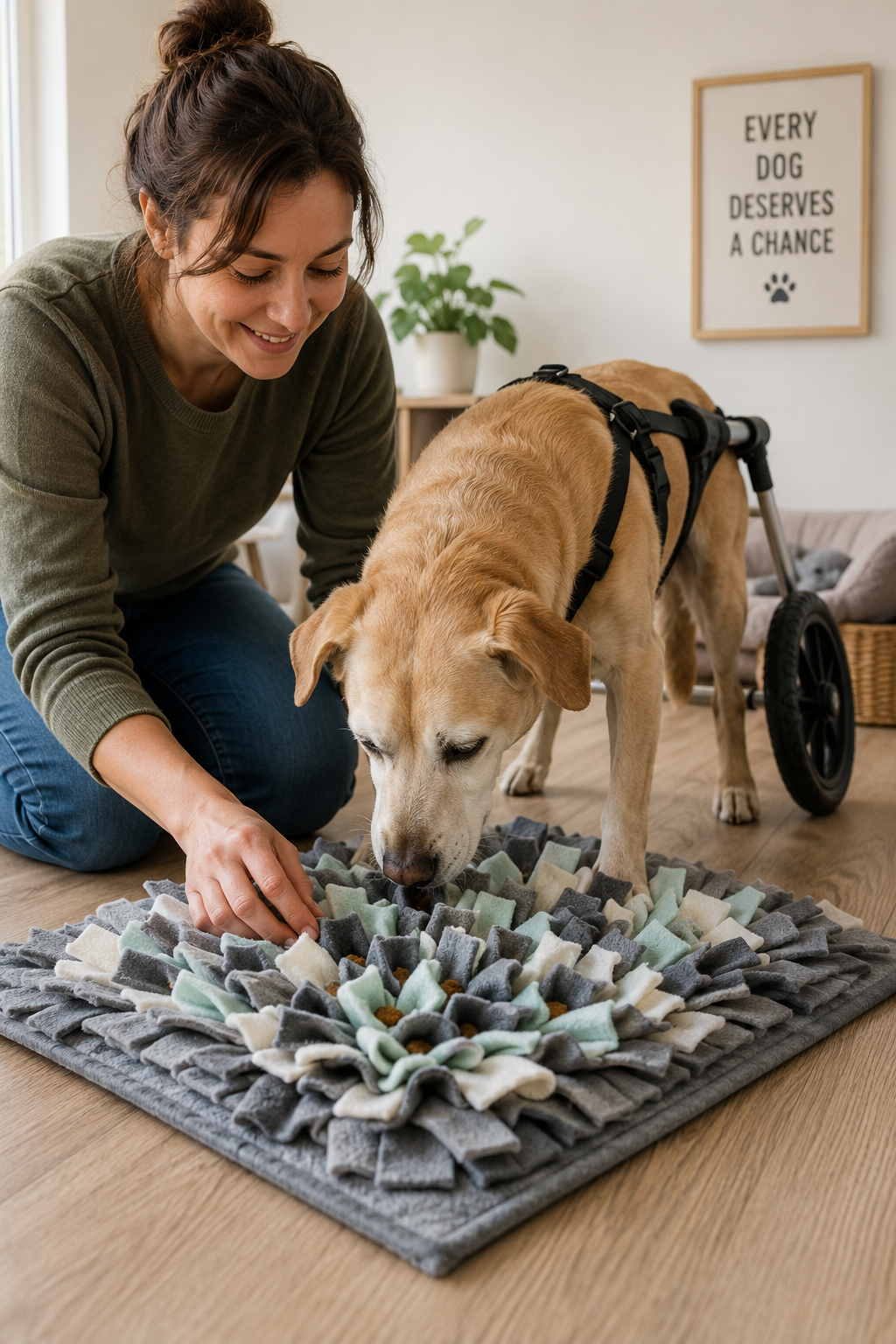
How to train special needs dogs effectively is to help dog owners. Special needs dogs of course need special products from time to time, and then training them how to use them can be a challenge.
Affiliate Disclosure
Amazon + Friends
Affiliate Disclosure: Some of the links on this website may be affiliate links. This means that if you click a link and make a purchase, I may earn a small commission at no extra cost to you. These commissions help support 65 Plus Life and Boomer Biz HQ, and Dawg Solutions. so I can continue creating free resources for older adults.
Amazon Disclosure: As an Amazon Associate, I earn from qualifying purchases. Any Amazon links used throughout this website may earn a commission when you purchase through them.
Thank you for supporting my work — it truly means a lot.
Jeff
How To Train Special Needs Dogs Effectively
Training a dog with special needs takes patience, understanding, and a willingness to adapt your approach. The good news is that special needs dogs can absolutely learn, thrive, and build strong bonds with their owners. In many cases, they simply need training methods designed around their unique abilities and challenges.
What Are The Best Smart Dog Products For Senior Dogs
Whether your dog is deaf, blind, aging, anxious, mobility-impaired, or recovering from trauma, the right training techniques can improve their confidence, safety, and quality of life.
What Is a Special Needs Dog?
A special needs dog is any dog that requires extra care, support, or accommodations because of a physical, emotional, behavioral, or medical condition. Some dogs are born with these challenges, while others develop them later in life due to aging, injury, or illness.
Special needs dogs are just as loving and capable as any other dog, but they may learn differently or need a slower, more customized training approach.
Common Types of Special Needs in Dogs
Every dog is unique, but some of the most common special needs include:
Hearing Loss or Deafness
Deaf dogs cannot respond to verbal commands, so they rely heavily on visual cues, hand signals, vibrations, and routines.
Vision Impairment or Blindness
Blind dogs depend on scent, sound, touch, and memory to navigate their environment safely.
Mobility Challenges
Dogs with arthritis, missing limbs, hip problems, or neurological conditions may struggle with movement, stairs, or certain physical activities.
Anxiety and Emotional Trauma
Rescue dogs or dogs with traumatic past experiences may become fearful, reactive, or nervous around people, sounds, or unfamiliar situations.
Cognitive Decline in Senior Dogs
Older dogs sometimes develop confusion, memory loss, or disorientation similar to dementia in humans.
Medical Conditions
Dogs with seizures, diabetes, chronic pain, or other health issues may require modified schedules, exercise limits, or stress reduction during training.
Understanding your dog’s specific needs is the first step toward building an effective training plan.
Why Training Matters for Special Needs Dogs
Tractive GPS Dog Tracker
Training is about much more than obedience. For special needs dogs, training can:
- Build confidence
- Reduce anxiety and stress
- Improve safety around the home and outdoors
- Strengthen communication between dog and owner
- Encourage mental stimulation
- Create a predictable daily routine
Even small victories can make a huge difference in your dog’s happiness and independence.
Start With Patience and Realistic Expectations
One of the biggest mistakes dog owners make is expecting quick results. Special needs dogs often require extra repetition, shorter sessions, and slower progress.
Celebrate small improvements instead of focusing only on the end goal. Your dog may need more time to learn commands or adapt to new environments, and that is perfectly okay.
Consistency matters far more than speed.
Use Positive Reinforcement
Positive reinforcement is one of the most effective training methods for all dogs, especially those with special needs.
Reward desired behaviors with:
- Healthy treats
- Praise
- Gentle affection
- Toys
- Playtime
Avoid punishment-based training methods. Harsh corrections can increase fear, anxiety, and confusion, particularly in dogs dealing with trauma or sensory limitations.
A calm and encouraging environment helps special needs dogs feel secure enough to learn.
Adapt Training to Your Dog’s Abilities
Training Deaf Dogs
For deaf dogs, replace verbal commands with:
- Hand signals
- Flashlight cues
- Gentle floor vibrations
- Facial expressions
Keep visual communication clear and consistent. Many deaf dogs learn hand signals surprisingly quickly.
Training Blind Dogs
Blind dogs benefit from:
- Verbal markers
- Scent cues
- Textured floor mats
- Consistent furniture placement
Use your voice calmly and confidently to help them feel secure.
Training Dogs With Mobility Issues
Petivity
Keep sessions short and low impact. Focus on:
- Mental stimulation
- Gentle movements
- Comfortable surfaces
- Frequent rest breaks
Avoid forcing painful movements or excessive exercise.
Training Anxious or Traumatized Dogs
Fearful dogs need trust before obedience. Work slowly and allow your dog to set the pace.
Helpful strategies include:
- Quiet training environments
- Predictable routines
- Safe spaces in the home
- Gradual exposure to triggers
- Rewarding calm behavior
Building confidence may take weeks or months, but the long-term results are worth it.
Keep Training Sessions Short
Many special needs dogs become mentally or physically tired more quickly than other dogs.
Aim for:
- 5 to 10 minute sessions
- One skill at a time
- Frequent breaks
- Daily repetition
Short sessions help prevent frustration and keep learning positive.
Create a Consistent Routine
Dogs thrive on predictability, especially those with sensory challenges, anxiety, or cognitive decline.
Try to keep:
- Feeding times consistent
- Walk schedules regular
- Training sessions predictable
- Sleeping areas unchanged
Routines help reduce stress and improve learning retention.
Focus on Safety Commands First
Some commands are especially important for special needs dogs.
Start with:
- Stay
- Come
- Wait
- Leave it
- Stop
These commands can help protect your dog in potentially dangerous situations.
For deaf dogs, visual recall signals are particularly important.
Use Enrichment Activities
Mental stimulation is just as important as physical exercise.
Try:
- Puzzle toys
- Snuffle mats
- Scent games
- Food-dispensing toys
- Gentle obedience practice
Enrichment activities help reduce boredom and improve cognitive health.
Know When to Ask for Professional Help
Some dogs benefit greatly from working with a professional trainer experienced in special needs care.
How To Choose Smart Dog Products Without Overspending
A qualified trainer or veterinary behaviorist can help with:
- Severe anxiety
- Aggression
- Trauma recovery
- Advanced mobility limitations
- Communication challenges
Always choose trainers who use positive reinforcement methods.
Jeff Shares & Cares
Training a special needs dog may require extra patience, creativity, and compassion, but the rewards are incredible. These dogs are capable of learning, adapting, and forming deep connections with the people who care for them.
The key is meeting your dog where they are, adjusting your methods to fit their needs, and celebrating every step forward along the way.
With consistency, kindness, and understanding, special needs dogs can live happy, confident, and fulfilling lives.
What Is a Snuffle Mat?
A snuffle mat is an enrichment toy designed to encourage dogs to use their natural sniffing and foraging instincts. It usually consists of soft fabric strips tied onto a rubber mat or durable base where treats or kibble can be hidden.
Instead of eating quickly from a bowl, dogs must sniff through the fabric to locate their food or rewards. This turns mealtime into a mentally stimulating activity that keeps dogs engaged and focused.
Snuffle mats are especially helpful for special needs dogs because they provide low-impact mental exercise without requiring intense physical activity.
How Snuffle Mats Help Special Needs Dogs
Many special needs dogs struggle with boredom, anxiety, limited mobility, or sensory challenges. Snuffle mats offer a simple way to stimulate their minds while reducing stress and frustration.
Provides Mental Stimulation
Dogs need mental exercise just as much as physical exercise. Sniffing and searching for treats activates a dog’s brain and helps keep them mentally engaged.
This can be especially beneficial for:
- Senior dogs experiencing cognitive decline
- Dogs recovering from injury
- Dogs with limited mobility
- Blind dogs that rely heavily on scent
Even a short snuffle mat session can help tire a dog mentally in a healthy and rewarding way.
Helps Reduce Anxiety and Stress
Sniffing naturally has a calming effect on many dogs. Slow foraging activities encourage relaxation and can help anxious or fearful dogs feel more secure.
Learn How Comfort Dog Products Help Reduce Anxiety
Snuffle mats are often useful for:
- Rescue dogs adjusting to a new home
- Dogs with separation anxiety
- Nervous or reactive dogs
- Dogs recovering from trauma
The repetitive act of sniffing and searching can help lower stress levels and redirect nervous energy into something positive.
Encourages Natural Instincts
Dogs are natural scavengers and hunters. In the wild, they spend time searching for food using their noses.
Snuffle mats allow dogs to safely express these instincts indoors, which can improve confidence and overall emotional well-being.
Slows Down Fast Eaters
Some dogs eat too quickly, which can lead to digestive upset, choking, or bloating.
A snuffle mat naturally slows mealtime down by forcing dogs to search for each piece of food individually. This creates a healthier and safer eating experience.
Great for Dogs With Mobility Issues
Dogs with arthritis, joint pain, or physical disabilities may not tolerate long walks or strenuous exercise.
Snuffle mats provide mental enrichment without placing extra stress on painful joints or muscles. Dogs can participate while lying down or resting comfortably.
Helps Blind Dogs Build Confidence
Blind dogs rely heavily on scent to understand the world around them. Snuffle mats encourage scent work in a safe and rewarding environment.
The activity can help improve confidence, independence, and problem-solving skills.
Tips for Using a Snuffle Mat Safely
To keep your dog safe and happy while using a snuffle mat:
- Supervise your dog during use
- Start with easy hiding spots at first
- Use healthy treats or regular kibble
- Clean the mat regularly
- Choose a durable mat designed for dogs
- Avoid leaving the mat out if your dog likes to chew fabric
What To Think About
Snuffle mats are one of the easiest and most effective enrichment tools for special needs dogs. They provide mental stimulation, reduce stress, encourage natural instincts, and create a fun activity that dogs of all ages and abilities can enjoy.
For many special needs dogs, a simple sniffing game can become an important part of their daily routine and overall well-being.
Frequently Asked Questions About Training Special Needs Dogs
Dog owners often feel overwhelmed when they first begin caring for a special needs dog. The good news is that most challenges can be managed with patience, consistency, and the right approach.
Here are some of the most common questions owners ask about training special needs dogs effectively.
Can Special Needs Dogs Be Trained Successfully?
Absolutely. Special needs dogs are fully capable of learning and building strong bonds with their owners. Training may take more time and creativity depending on the dog’s condition, but many special needs dogs learn routines, commands, and behaviors very well.
How To Train Your Dog To Use Mobilty Aids
The key is adjusting your training methods to fit your dog’s abilities rather than expecting them to learn like every other dog.
What Is the Best Training Method for Special Needs Dogs?
Positive reinforcement is usually the most effective training method.
Rewarding desired behaviors with:
- Treats
- Praise
- Toys
- Gentle affection
Helps build confidence and trust. Harsh punishment or correction-based methods can increase fear, stress, and anxiety, especially in dogs with trauma, sensory loss, or medical conditions.
How Long Does It Take to Train a Special Needs Dog?
Every dog is different. Some dogs learn quickly, while others may need weeks or months of repetition.
Factors that affect training progress include:
- Age
- Health condition
- Past trauma
- Sensory limitations
- Consistency of training
- The dog’s personality
Small improvements should always be celebrated. Progress is often gradual but very rewarding.
How Do You Train a Deaf Dog?
Deaf dogs are commonly trained using:
- Hand signals
- Visual cues
- Flashlights
- Vibrations
- Facial expressions
Consistency is important. Using the same signals every time helps the dog understand what is expected.
Many deaf dogs become highly attentive to visual communication and can learn commands very effectively.
How Do You Train a Blind Dog?
Blind dogs rely heavily on:
- Voice commands
- Scent cues
- Touch
- Routine and memory
Keeping furniture and household layouts consistent helps blind dogs navigate safely. Calm verbal guidance and positive reinforcement also help build confidence.
Are Snuffle Mats Good for Special Needs Dogs?
Yes. Snuffle mats are excellent enrichment tools for many special needs dogs.
They help by:
- Providing mental stimulation
- Reducing anxiety
- Encouraging natural sniffing instincts
- Slowing down fast eaters
- Offering low-impact activity for dogs with mobility issues
Blind dogs and senior dogs especially benefit from scent-based enrichment activities like snuffle mats.
What Is a Snuffle Mat?
A snuffle mat is a fabric feeding mat where treats or kibble are hidden among soft strips of material. Dogs use their noses to search for the food, turning mealtime into a mentally stimulating game.
Snuffle mats are a simple way to keep dogs engaged while reducing boredom and stress.
How Can I Help an Anxious or Traumatized Dog Feel Safe?
Building trust takes time. Helpful strategies include:
- Keeping a predictable routine
- Using calm, gentle handling
- Avoiding loud or chaotic environments
- Rewarding calm behavior
- Allowing the dog to move at their own pace
Patience is critical. For fearful dogs, trust often comes before obedience.
Can Senior Dogs Still Learn New Things?
Yes. Older dogs can absolutely continue learning.
Senior dogs may require:
- Shorter training sessions
- More repetition
- Extra patience
- Gentle physical activity
Mental stimulation is actually very important for aging dogs because it helps keep their minds active and engaged.
How Long Should Training Sessions Be?
Short training sessions usually work best for special needs dogs.
Most dogs do well with:
- 5 to 10 minute sessions
- One skill at a time
- Frequent breaks
- Daily practice
Keeping sessions short helps prevent mental and physical exhaustion.
When Should I Seek Professional Help?
Consider working with a professional trainer or veterinary behaviorist if your dog experiences:
- Severe anxiety
- Aggression
- Trauma-related behaviors
- Extreme fearfulness
- Complex medical or mobility issues
Always look for trainers who specialize in positive reinforcement methods and have experience working with special needs dogs.
Jeff Shares
Training a special needs dog may look different from traditional dog training, but it can be one of the most rewarding experiences for both dogs and owners.
With patience, compassion, consistency, and the right tools, special needs dogs can learn, gain confidence, and enjoy happy, fulfilling lives.
Special Needs Dogs
Training a special needs dog requires patience, flexibility, and a whole lot of compassion, but the rewards are truly life-changing. Whether your dog is deaf, blind, anxious, mobility-impaired, or simply slowing down with age, they still deserve the chance to learn, feel safe, and enjoy a happy life with the people who love them.
Best Mobility Aids For Aging Dogs
Simple tools like positive reinforcement, short training sessions, consistent routines, and enrichment activities such as snuffle mats can make a huge difference in helping these dogs build confidence and thrive.
Special needs dogs are often some of the most loyal, resilient, and loving companions you will ever meet. Many simply need someone willing to understand their challenges and give them a chance.
If you are considering adopting a special needs dog, there are several wonderful organizations dedicated to helping these dogs find caring homes.
Resources for Adopting a Special Needs Dog
- Petfinder — Search for adoptable special needs dogs across the United States.
- The Mia Foundation — A rescue organization focused on animals born with birth defects and special needs.
- Best Friends Animal Society — Features special needs pets available for adoption and educational resources for adopters.
- Muttville Senior Dog Rescue — Specializes in rescuing senior dogs, many of whom have medical or mobility challenges.
Opening your home to a special needs dog may take extra patience and care, but for many dog owners, it becomes one of the most meaningful and rewarding experiences of their lives.
Thank you for visiting Dawg Solutions and reading ” How To Train Special Needs Dogs Effectively,”
Jeff
Affiliate Disclosure: Some of the links on this website may be affiliate links. This means that if you click a link and make a purchase, I may earn a small commission at no extra cost to you. These commissions help support 65 Plus Life and Boomer Biz HQ, and Dawg Solutions. so I can continue creating free resources for older adults.
Amazon Disclosure: As an Amazon Associate, I earn from qualifying purchases. Any Amazon links used throughout this website may earn a commission when you purchase through them.

- How Technology Aids Special Needs DogsHow technology aids special need dogs lives to become better. What you are going to learn is from my experience with my own dog, right around the time his 7th birthday he began to develop special needs. Read Aussie and my true story with technology products that improved our lives. Affiliate Disclosure: Some of the … Read more
- Learn How Ai Helps Dogs With Disabilities At HomeLearn how ai helps dogs with disabilities at home. Making life easier for dogs with disabilities has totally changed for the better, thanks to AI. Dogs dealing with sight problems, hearing loss, or even mobility issues can now enjoy their home life a lot more comfortably. AI-driven products and smart gadgets are making a real … Read more
- Understanding AI In Pet Training For New Dog OwnersUnderstanding AI in pet training for new dog owners is an educational article. AI is growing dramatically with so many awesome tools in every part of our lives, and pet training is becoming easier for new dog owners then other before. Affiliate Disclosure Amazon + Friends Affiliate Disclosure: Some of the links on this website … Read more
- 10 Best Dog Products For Budget Owners On Fixed Incomes10 best dog products for budget owners on fixed-incomes is to save you time and money. Many dog owners in their senior years are living on fixed-incomes with dogs, so this article is for those of you who might be in this situation. Affiliate Disclosure Amazon + Friends Affiliate Disclosure: Some of the links on … Read more
- Top Nutritional Needs Of Picky Small Dog BreedsTop nutritional needs of picky small dog breeds was inspired by my mothers yorkie terrier, she thinks she is too good to eat dog food. No matter if its kibbles or canned, she will go hungry before giving in. My mother worries that she is not getting the nutritional needs that she needs, so that … Read more
- Why Is Socialization Important For Special Needs DogsWhy is socialization important for special needs dogs might surprise you. Are you a dog owners with a dog with special needs, maybe you have it in your heart to adopt a special needs dog. Socialization is an important part of caring for this special dog, read why in my article written especially for you. … Read more
- What Is The Best Diet For Special Needs DogsWhat is the best diet for special needs dogs. Did you ever wonder if your special needs dog should be on a special diet plan. That is what we are going to cover in this article, so if this is something that interests you this article is for you. Affiliate Disclosure Amazon + Friends Affiliate … Read more
- How To Train Special Needs Dogs EffectivelyHow to train special needs dogs effectively is to help dog owners. Special needs dogs of course need special products from time to time, and then training them how to use them can be a challenge. Affiliate Disclosure Amazon + Friends Affiliate Disclosure: Some of the links on this website may be affiliate links. This … Read more
- What Are The Best Smart Dog Products For Senior DogsWhat are the best smart dog products for senior dogs. Taking care of our older dogs is extremely important to dog owners, we want to make them as comfortable and happy as possible. Smart dog products are able to help us accomplish these goals, together we are going to learn about the better smart dog … Read more
- How To Choose Smart Dog Products Without OverspendingHow to choos smart dog products without overspending your budget. As you might have experienced on your own overspending is not difficult to do today, and we want our dogs to have whatever we can afford that will make their lives more comfortable. Affiliate Disclosure Amazon + Friends Affiliate Disclosure: Some of the links on … Read more
What a thorough and well reserached article, goes over what to expect with a special needs dogs. Shows not every situation has a predertemined method. Best to be patient and try to make it more of a reward system than a punishemnt. Want to stay positive and keep it fun and challeinging.
I’ve had experience helping an older dog with arthritis, and patience really does make a huge difference. Short training sessions worked way better than trying to do too much at once. The part about snuffle mats caught my attention too because mental stimulation is something a lot of people forget about with special needs dogs. Have you noticed certain disabilities respond better to specific enrichment activities? I also liked how you focused on building trust first instead of expecting instant results. A lot of dog owners probably need that reminder.
Thank you bob for sharing your experience with dogs with arthritis
Jeff