Simple dog weight loss tips for owners success concerned about their older dogs weight. We all seem to gain weight as we become older in age, and our senior dogs are often no different than we are. Managing their weight is as important for them as it is for us, so weight loss tips for dog owners is what this article is all about.
Affiliate Disclosure
Amazon + Friends
Affiliate Disclosure: Some of the links on this website may be affiliate links. This means that if you click a link and make a purchase, I may earn a small commission at no extra cost to you. These commissions help support 65 Plus Life, Boomer Biz HQ, and Dawg Solutions. so I can continue creating free resources for older adults.
Amazon Disclosure: As an Amazon Associate, I earn from qualifying purchases. Any Amazon links used throughout this website may earn a commission when you purchase through them.
Wealthy Affiliate Disclosure: I am also a proud affiliate of Wealthy Affiliate. If you choose to join their platform through my referral link, I may earn a commission. I only recommend Wealthy Affiliate because it has personally helped me build websites and create income online, and I believe it can help other older adults learn these skills too.
Thank you for supporting my work — it truly means a lot
Aussie n Jeff
The Dawg Solutions Step-by-Step Weight Loss Plan for Senior Dogs
This plan is designed for real people and real dogs — especially older dogs who can’t do intense exercise or dramatic diet changes.
Step 1: Confirm Your Dog Actually Needs to Lose Weight
Before changing anything, make sure your dog is truly overweight.
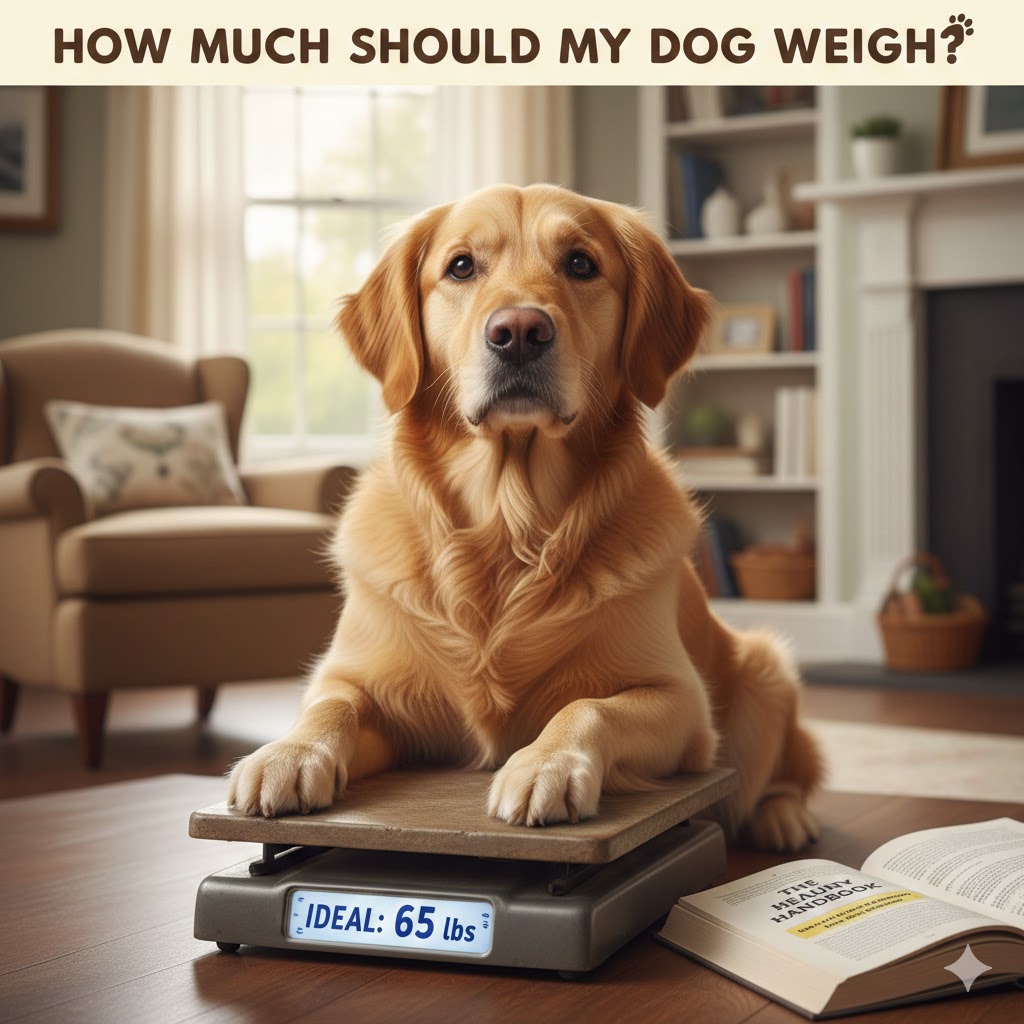
Here’s the quick “senior dog body check”:
You should be able to feel the ribs
Not see them — just feel them with light pressure.
Your dog should have a waist
Looking from above, there should be a gentle curve inward behind the ribs.
Your dog should have a tummy tuck
From the side, the belly should not hang straight down.
If your dog feels like a soft loaf with no waist… weight loss will likely help.
Best move
Ask your vet for a healthy goal weight and to rule out anything affecting weight or appetite.
Step 2: Set a Safe Goal Slow and Steady Wins for Seniors
The goal for senior dogs is not fast weight loss.
It’s safe, gentle progress.
Most vets recommend:
- 1–2% of body weight per week
- for seniors, many do best closer to 1%
That might not sound exciting — but over time, it’s life-changing.
Step 3: Start Measuring Food This Is the Magic Step
If there’s one thing that makes the biggest difference, it’s this:
Stop eyeballing meals. Start measuring.
Because a “little extra” scoop today… becomes 5 pounds later.
Here’s what helped us:
- Use a measuring cup or kitchen scale
- Feed the same amount every day
- Make sure everyone in the house knows the plan
If more than one person feeds the dog, senior dogs are basically running a side hustle.
They’ll take breakfast from you… and then go convince someone else they “didn’t eat yet.”
Step 4: Reduce Calories Without Starving Your Dog
Senior dogs still need good nutrition. In fact, they often need more support for muscle and joint health.
So we don’t want to slash food dramatically.
Instead, you have two good options:
Option A: Switch to a weight management food
These are designed to help dogs feel full while eating fewer calories.
Option B: Reduce the current portion slowly
Small changes are safer for seniors.
If you do this, make adjustments gradually and monitor energy and stool quality.
Step 5: Treats Need a Budget Even the “Healthy” Ones
This is the part most people miss.
Treats can quietly destroy a weight loss plan.
Here’s the rule we use at Dawg Solutions:
Treats should be 10% or less of your dog’s daily calories.
And yes… this includes:
- training treats
- dental chews
- table scraps
- “just one bite” snacks
- those cute little biscuits your dog’s grandma gives them
Aussie’s Favorite Low-Calorie Weight Loss Treats (Senior Approved)

Now for the fun part.
Aussie would like me to share his personal list of “diet treats” that do not feel like diet treats.
1. Baby Carrots
Aussie acts like baby carrots are gourmet snacks.
Crunchy, sweet, and low calorie.
Bonus
Good for teeth and satisfying to chew.
2. Green Beans
If you want the #1 “bulk snack” for weight loss — it’s green beans.
We use:
- fresh
- frozen (thawed)
- or low-sodium canned
Aussie prefers thawed out frozen green beans over canned.
Aussie’s review:
“Not meat, but acceptable.”
3. Apple Slices No Seeds
These are great for dogs who like sweet treats.
Aussie’s opinion:
“I deserve fruit. I am an elder.”
4. Cucumber Slices
Cucumbers are mostly water, so they’re a perfect low-calorie snack.
Also… the crunch is elite.
5. Tiny Bits of Real Chicken
If your dog won’t accept vegetables, don’t panic.
The trick is:
- make the pieces ridiculously small
- like “crumb-sized”
Your dog doesn’t care if it’s a big chunk. They just care that they got something.
6. Kibble Treats Saved From Meals
This is one of the smartest strategies we’ve used:
Take a small portion of your dog’s daily kibble and use it as treats.
Same food, same calories — but your dog still feels spoiled.
Step 6: Add Movement Without Overworking Old Joints
Here’s the truth about senior dog exercise:
It’s not about intensity. It’s about consistency.
Instead of one long walk, try:
- 2–3 shorter walks per day
- slow “sniff walks” (sniffing counts as enrichment)
- gentle pacing around the yard
Even 5–10 minutes at a time can make a difference.
Red Flags to Watch For
- limping
- stiffness later in the day
- reluctance to walk the next day
- heavy panting
If you see those, shorten the time and slow it down.
Step 7: Build Muscle With Gentle Strength Work
Muscle is incredibly important for senior dogs.
It supports joints and helps them burn more calories naturally.
Try this 1–2 minutes per day:
Sit-to-Stand Doggy Squats
- Ask for a sit
- Then ask them to stand
- Repeat 3–5 times
Slow and controlled is best.
“Cookie Stretches”
Use a treat to lure their nose:
- toward each shoulder
- down toward the chest
- gently to each side
Great for flexibility.
Step 8: Track Progress the Smart Way
The scale matters — but it’s not the whole story.
We recommend weighing your dog:
- every 2 weeks
Also pay attention to:
- energy level
- ability to get up and down
- ease of walking
- breathing
- how ribs and waist feel
Sometimes you’ll see mobility improvements before the scale changes much.
And honestly?
That’s the real win.
Step 9: Adjust Every 2–3 Weeks
If weight loss isn’t happening, don’t panic.
This is usually the reason:
- treats are too frequent
- portions aren’t measured accurately
- too many “extras” are sneaking in
- the food is too calorie-dense
Small adjustments work best for seniors.
Step 10: Know the Senior Dog Red Flags
Call your vet if you notice:
- sudden weight loss without trying
- refusing meals
- vomiting or diarrhea
- coughing or breathing changes
- increased thirst or urination
- weakness or muscle loss
A healthy weight loss plan should make your dog feel better, not worse.
A Simple 14-Day Starter Plan
The Dawg Solutions Way
If you want the easiest plan possible, start here:
Days 1–3
- measure every meal
- swap 50% of treats for veggies or kibble
- add one extra 5–10 minute walk
Days 4–7
- stay consistent
- treat budget: 10% max
- add 1 minute of sit-to-stand strength work
Days 8–14
- keep the routine
- weigh your dog once at the end of week 2
- adjust only if needed
From Aussie
Senior dogs deserve comfort, love, and joy.
But they also deserve to feel good in their bodies.
Weight loss for older dogs isn’t about making them smaller — it’s about making it easier for them to:
- walk
- play
- stand up
- breathe comfortably
- and enjoy their golden years
And if you’re feeling guilty about changing the treat routine…
Just remember:
Aussie still gets snacks.
He just gets smarter snacks now.
Why Dog Food Bags Often Overestimate Portions
Most feeding charts:
- assume a high activity level
- are designed to encourage you to feed more (yep)
- don’t account for age, arthritis, or slower metabolism
- don’t include treats, chews, or table bites
So if you follow the bag exactly, many dogs gain weight even if you’re “doing it right.”
The Best Way to Find a Starting Portion 3-Step Method
Step 1: Find Your Dog’s Target Weight
This matters more than their current weight.
Example:
- Your dog weighs 55 lbs
- Vet says healthy weight is closer to 48 lbs
- You feed based on 48 lbs, not 55
If you don’t know target weight yet, use your best estimate and plan a vet check soon.
Step 2: Use the Calories Not the Cup Chart
The most accurate way is by calories.
Look on the dog food bag for something like:
“ME = 3,450 kcal/kg”
or
“This food contains 365 kcal per cup.”
That “kcal per cup” number is gold.
Step 3: Pick a Safe Starting Calorie Level
A really common starting point for weight loss is:
80% of what they would normally need at their target weight
(That sounds fancy, but it’s actually simple.)
The Easy “Owner-Friendly” Starting Portion Shortcut
If you don’t want to do calorie math right away, here’s the safest shortcut that works for most senior dogs:
Start by feeding 10–15% less than what the bag recommends for your dog’s target weight.
Not their current weight.
Example:
- Bag says a 50 lb dog should eat 2 ¾ cups/day
- You start at about 2 ¼ to 2 ½ cups/day
Then reassess after 2–3 weeks.
The “Even Easier” Dawg Solutions Method My Favorite
This is the method I recommend to most senior dog owners because it’s simple and realistic:
1) Feed the amount you currently feed
2) Measure it accurately
3) Reduce it by ¼ cup per day for medium/large dogs
For small dogs, reduce by:
- 1 tablespoon per meal
Then monitor weight every 2 weeks.
The #1 Rule: Adjust Based on Results
Once you pick a starting portion, you’re not married to it.
Recheck after 2–3 weeks:
- If your dog is losing weight slowly: keep going
- If no change: reduce a small amount
- If losing too fast or seems tired: increase slightly
Real Life Senior Dog Style
Let’s say your senior dog is 40 lbs but should be 33 lbs.
- You use the bag’s chart for 33 lbs
- You reduce it by about 10–15%
- You weigh your dog after 2 weeks
That’s a clean, safe starting point.
Jeffs Tip

Older dogs should NOT be put on extreme calorie cuts.
We want:
- steady fat loss
- muscle preserved
- energy stable
- joints supported
That’s why slow adjustments are the safest approach.
An Aussie Moment
The Day He Realized the Diet Was Real
When we first started Aussie’s weight loss plan, I did what most dog owners do.
I measured his food carefully.
I swapped his treats for healthier options.
I committed to shorter, more consistent walks.
And honestly? I felt pretty proud of myself.
Aussie did not share my enthusiasm.
The first morning I served his new “measured portion,” he walked over to the bowl, sniffed it, and looked up at me with the kind of expression that said:
“This is a snack. Where is breakfast?”
Then he did something that still makes me laugh.
He walked away from the bowl… wandered into the living room… and sat down near the treat jar like he was starting a peaceful protest.
And that’s when I learned something important:
Senior dogs don’t just struggle with weight loss physically — they struggle emotionally too.
Not because they’re being dramatic (okay, maybe a little).
But because food is comfort. Food is routine. Food is joy.
So instead of turning Aussie’s weight loss plan into a miserable “no treats allowed” lifestyle, I made one change that saved the whole plan:
I didn’t take away snacks — I just changed the snacks.
Aussie still gets treats.
He still gets crunchy things.
He still gets his “I’m an old man and I deserve this” rewards.
They’re just lower calorie, smaller, and smarter now.
And once he realized the snacks were still coming?
He forgave me. Mostly.
He still checks the treat jar every day… just to make sure I haven’t forgotten my responsibilities.
Jeffs Disclaimer
This article is for educational purposes only and is not a substitute for veterinary advice. Every dog is different, and senior dogs may have underlying health conditions (such as arthritis, thyroid issues, diabetes, or other concerns) that affect weight, appetite, and activity level. Before starting any weight loss plan, changing your dog’s diet, or increasing exercise, we strongly recommend speaking with your veterinarian to ensure the plan is safe and appropriate for your dog’s age, breed, and medical history.
What to Expect the First Few Days And How to Stick With It
If you’re starting a weight loss plan with your senior dog, the first few days can feel… a little dramatic.
Your dog may:
- stare at you like you’ve betrayed them
- follow you into the kitchen like a tiny detective
- check the treat jar more often than usual
- act hungrier at normal meal times
- try to convince other family members they “haven’t eaten yet”
And if your dog is anything like Aussie, you may get a look that says:
“I am elderly. This is not the care plan I requested.”
But here’s what I want you to remember:
Those first few days are the hardest part — and they get easier.
Once your dog realizes:
- meals are still coming
- treats still exist (they’re just smarter now)
- walks are still happening
- and life is still good
…they settle into the new routine.
And that routine is where the real magic happens.
Because with senior dogs, even a small amount of weight loss can make a big difference in:
- joint comfort
- energy
- mobility
- breathing
- and overall quality of life
You’re not doing this to make your dog smaller.
You’re doing it to help them feel better in their aging body.
Aussie n Jeff
Affiliate Disclosure
Amazon + Friends
Affiliate Disclosure: Some of the links on this website may be affiliate links. This means that if you click a link and make a purchase, I may earn a small commission at no extra cost to you. These commissions help support 65 Plus Life, Boomer Biz HQ, and Dawg Solutions. so I can continue creating free resources for older adults.

- How To Choose Dog Supplements For Arthritis With ConfidenceHow to choose dog supplements for arthritis with confidence can overwhelm some dog owners, so I am going to guide you step-by-step how to choose the best dog supplements for arthritis. Like people, many older dogs develop arthritis just like we do, so this can be a good addtion to their diet plan. Affiliate Disclosure … Read more
- Halo Collar Review: Is It Worth It For Your Dog’sHalo Collar is an investment for dog owners that you might like to know about, how many of you have a dog who likes to explore every chance that they get. This will provide you with peace of mind the next time they go on an adventure without you, ask yourself is keeping my dog … Read more
- Do I Need Special Products For Senior DogsDo I need special products for senior dogs is our topic of the day. As older dogs age they often require special mobility aids to live comfortable, that is what you are going to be able to learn about from me. Aussie is my sweet older dog with mobility issues, I am going to share … Read more
- What Are The Mental Health Benefits Of Having A Dog For SeniorsWhat are the mental health benefits of having a dog. There are many benefits when you share your home with a canine companion, but we are going to be primarily addressing how they improve our mental health in this article. Affiliate Disclosure Amazon + Friends Affiliate Disclosure: Some of the links on this website may … Read more
- Dog Joint Pain Signs And Treatments For Serious OwnersDog joint pain signs and treatments for dog owners. Many times we mistake joint pain signs as old age in our older dogs, but that is a only going to delay us helping them to feel better. Knowing the signs and what you can do is what is included in this article. Affiliate Disclosure Amazon … Read more
- How To Train Your Dog To Use Mobilty AidsHow to train your dog to use mobilty aids will ease your new experience, this is a good step-by-step guide for dog owners and dogs as well. Many dogs will be anxious about using mobility aids at the beginning, so easing them into this is our strategy. Affiliate Disclosure Amazon + Friends Affiliate Disclosure: Some … Read more
- How To Keep Senior Dogs Comfortable For A Better LifeHow to keep senior dogs comfortable for a better life is a helpful guide for dog owners. At Dawg Solutlions providing you with good information is my priority, many dogs with arthritis will benefit from what you will learn in this article. Affiliate Disclosure Amazon + Friends Affiliate Disclosure: Some of the links on this … Read more
- Top Rated Dog Mobility Devices For ArthritisTop rated dog mobility devices for arthritis. Just like you and me, older dogs can experience mobility problems due to arthritis. By knowing the best mobility devices on the market, you can provide your dog the comfort to enjoy the rest of their lives. Affiliate Disclosure Amazon + Friends Affiliate Disclosure: Some of the links … Read more
- 6 Best Signs Of Arthritis In Senior DogsSigns of arthritis in senior dogs are important for dog owners to know, when we start making healthy changes early our older dogs will live a healthier and happier life. Aussie is beginning to show early signs of arthritis, here is what I found out about helping him from my vet and research. Affiliate Disclosure … Read more
- Is Homemade Food Safe For Senior DogsIs homemad food safe for senior dogs might be something you have thought about. We are going to learn from my own experience with Aussie what I learned about homemade food for older dogs. Affiliate Disclosure Amazon + Friends Affiliate Disclosure: Some of the links on this website may be affiliate links. This means that … Read more
I have a dog myself, so this topic really caught my attention because keeping pets at a healthy weight isn’t always easy for owners. The tips felt practical and realistic, especially for people trying to make small daily changes instead of drastic ones. I’m curious though — when starting a weight-loss plan, do you think it’s better to focus more on adjusting food portions first or increasing activity gradually? I’m always trying to find the right balance for my own dog.
Hello Irina,
Welcome to Dawg Solutions, I thank you for visiting my website and sharing.
Gradually cutting back on portion size and increasing activity is the key to finding the right balance for individual dogs. I notice with my dog he can only walk short distances now, so we added an extra walk in our day instead of walking farther in distance.
I hope this helps
Jeff