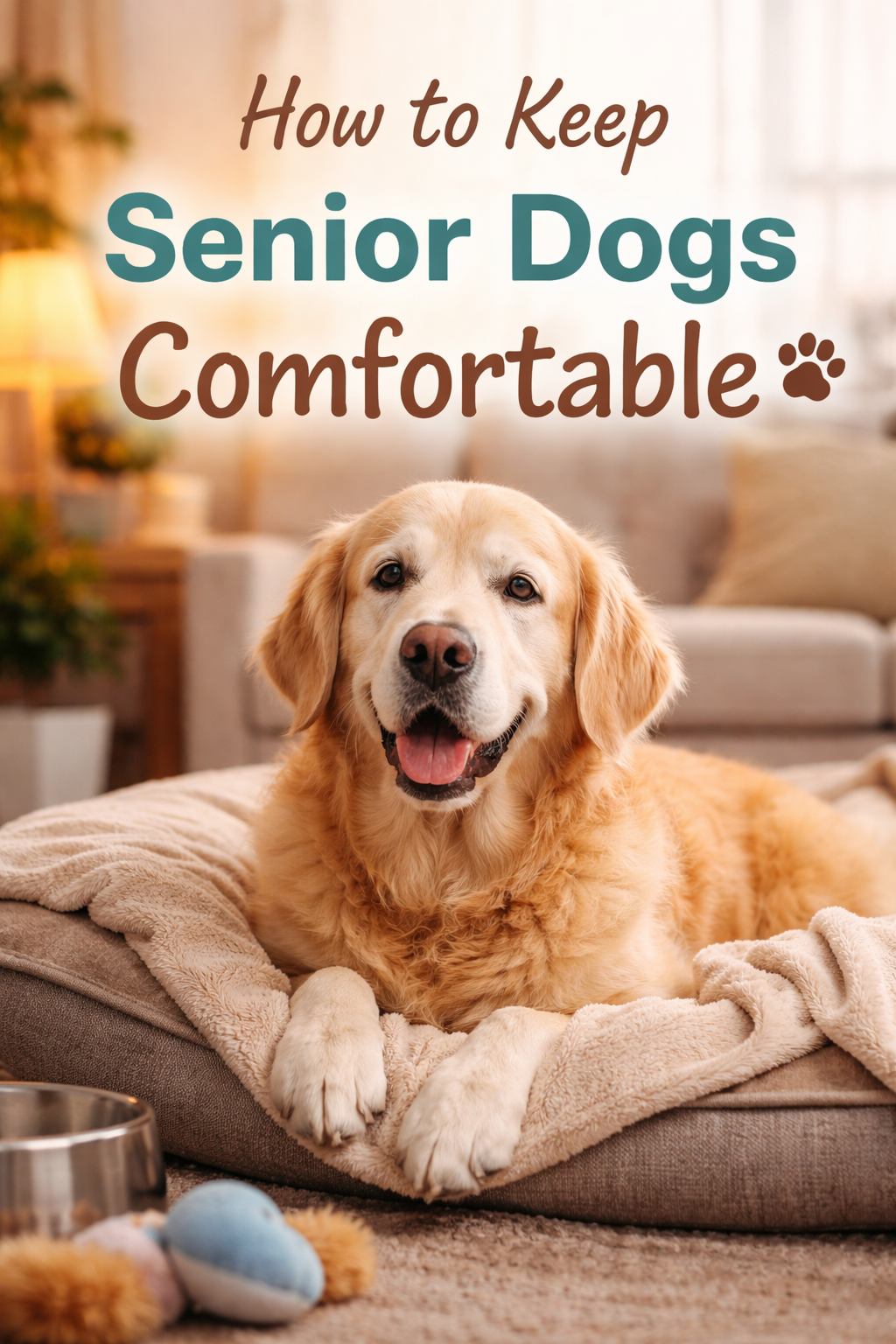
How to keep senior dogs comfortable for a better life is a helpful guide for dog owners. At Dawg Solutlions providing you with good information is my priority, many dogs with arthritis will benefit from what you will learn in this article.
Affiliate Disclosure
Amazon + Friends
Affiliate Disclosure: Some of the links on this website may be affiliate links. This means that if you click a link and make a purchase, I may earn a small commission at no extra cost to you. These commissions help support 65 Plus Life and Boomer Biz HQ, and Dawg Solutions. so I can continue creating free resources for older adults.
Amazon Disclosure: As an Amazon Associate, I earn from qualifying purchases. Any Amazon links used throughout this website may earn a commission when you purchase through them.
Thank you for supporting my work — it truly means a lot.
Jeff
Signs Aussie Was Becoming Uncomfortable
As our dogs get older, the changes don’t always happen overnight. With my dog Aussie, the signs were subtle at first—easy to overlook if you’re not paying close attention.

But looking back, I can clearly see the little things he was trying to tell me.
At first, Aussie wasn’t as eager to jump up on the couch anymore. This was a dog who had always been right by my side, so when he started hesitating or choosing to stay on the floor, I knew something wasn’t quite right.
Then I noticed he was moving a bit slower, especially in the mornings. Getting up from his bed took more effort, and there were times he seemed stiff, almost like he needed a few minutes to “warm up.”
Another change was his sleeping patterns. Aussie started shifting positions more often, like he just couldn’t get comfortable. Some nights, he would get up and move around instead of settling in like he used to.
What Got My Attention The Most
One of the biggest signs, though, was a change in his mood. He was still loving, but there were moments when he seemed a little more withdrawn or less interested in things he used to enjoy—like longer walks or playtime.
These weren’t dramatic changes—but together, they painted a clear picture:
Aussie wasn’t just getting older… he was starting to feel uncomfortable.
And once I recognized these signs, I knew it was time to make some changes to help him feel better.
Why Senior Dogs Become Uncomfortable
Understanding Aging Dogs
As much as we wish our dogs could stay young forever, aging is a natural part of life, and just like us, their bodies start to change over time.
When Aussie began slowing down, I realized his discomfort wasn’t just “getting old”… there were real reasons behind it.
Here are some of the most common causes:
Joint Pain and Arthritis
One of the biggest reasons senior dogs become uncomfortable is joint stiffness or arthritis. Over the years, wear and tear on their joints can make everyday movements—like standing up, walking, or climbing stairs—more difficult and sometimes painful.
This was one of the first things I noticed with Aussie, especially when he got up after resting.
Loss of Muscle and Mobility
As dogs age, they naturally lose muscle mass. This can make them weaker and less steady on their feet. You might notice your dog slipping more, struggling on hardwood floors, or hesitating before jumping.
Increased Sensitivity to Temperature
Older dogs often have a harder time regulating their body temperature. They may feel colder than they used to or become uncomfortable in heat more quickly.
Aussie started seeking out warmer spots in the house, which was something he never used to do.
Changes in Sleep and Comfort
Senior dogs tend to sleep more—but not always better. They may have trouble getting comfortable, leading to restless nights or frequent position changes.
Cognitive Changes (Doggy Dementia)
Some older dogs experience cognitive decline, which can affect their behavior. They might seem confused, restless, or anxious—especially at night.
Underlying Health Issues
Conditions like hip dysplasia, dental problems, digestive issues, or other age-related illnesses can also contribute to discomfort.
Jeff Shares
What I learned with Aussie is this:
Discomfort in senior dogs isn’t just “old age”—it’s usually a sign that something in their body needs a little extra support.
The good news?
Once you understand why it’s happening, you can start making simple changes that make a huge difference in how your dog feels every day.
Simple Ways to Keep Your Senior Dog Comfortable Without Spending a Fortune
When I realized Aussie was uncomfortable, I’ll be honest—I worried it might get expensive fast.
But what I discovered is this:
Learn How Comfort Dog Products Help Reduce Anxiety
You don’t need a lot of money to make a big difference in your dog’s comfort.
Here are some simple, budget-friendly ways I helped Aussie feel better—and you can too.
Create a Softer, Supportive Sleeping Area
A good resting spot makes a huge difference for sore joints.
You don’t have to buy an expensive orthopedic bed right away. Try this instead:
- Add extra blankets or old comforters to their current bed
- Use folded towels for extra cushioning
- Place their bed in a warm, draft-free area
This alone helped Aussie settle down and sleep more comfortably.
Prevent Slipping on Floors
Slippery floors can be tough on older dogs.
Low-cost fixes:
- Lay down inexpensive rugs or runners in high-traffic areas
- Use non-slip bath mats
- Even old blankets can help create traction
Once I did this, Aussie moved around with a lot more confidence.
Adjust Food for Easier Eating
Senior dogs sometimes struggle with chewing or digestion.
Simple ideas:
- Add a little warm water to dry food to soften it
- Feed smaller, more frequent meals
- Make sure fresh water is always easy to reach
No fancy food required—just small adjustments.
Keep Exercise Gentle
Even older dogs still need movement—it just needs to be easier on them.
Try:
- Shorter, slower walks
- Letting them set the pace
- More frequent breaks
Aussie still loved getting outside—it just looked a little different than before.
Keep Them Warm and Cozy
Older dogs often feel the cold more.
Budget-friendly ideas:
- Add an extra blanket to their bed
- Let them rest in sunny spots
- Use a low-cost pet sweater if needed
I noticed Aussie naturally gravitating toward warmth—it really mattered to him.
Give More Gentle Attention
Sometimes comfort isn’t physical—it’s emotional.
Simple things go a long way:
- Gentle petting or massage
- Sitting with them more often
- Keeping a calm, predictable routine
I found that just being there for Aussie made a bigger difference than anything money could buy.
Don’t Ignore the Small Health Signs
Emotional Changes
You don’t always need expensive treatments—but you do want to stay aware.
Watch for:
- Changes in eating or drinking
- Trouble walking
- Restlessness or whining
Catching small issues early can prevent bigger (and more costly) problems later.
What I Learned from Aussie
Taking care of a senior dog isn’t about doing everything perfectly…
It’s about making small, thoughtful changes that help them feel safe, comfortable, and loved.
And the truth is—those little changes add up fast.
A Budget-Friendly Resource That Can Help
Kindle Unlimited
A Quick Note About the Kindle Unlimited Ebooks I Share
You may notice that we occasionally recommend helpful ebooks within our articles.
Many of these titles are available free to read for Kindle Unlimited members as part of their subscription. When readers choose to read these included ebooks through Kindle Unlimited, I do not earn any commissions from the ebooks included in the Kindle Unlimited Membership for free, only if you purchase a paid format.
We share these resources because I believe they can be genuinely helpful
When you’re trying to do the best for your senior dog, one thing becomes clear pretty quickly:
The more you understand, the better you can help them.
But books and guides can get expensive, and that’s where something like Kindle Unlimited can really come in handy.
For a low monthly cost, Kindle Unlimited gives you access to a huge library of books, including many about:
- Senior dog care
- Managing arthritis and mobility issues
- Homemade dog food ideas
- Training and behavior changes in older dogs
Instead of buying multiple books, you can explore different topics and find what actually works for you and your dog.
Amazon Disclosure: As an Amazon Associate, I earn from qualifying purchases. Any Amazon links used throughout this website may earn a commission when you purchase through them.
Why It Can Be a Good Fit for Budget-Conscious Dog Owners
What I like about Kindle Unlimited, and what you might find helpful, and this
- You can read as much as you want without buying each book
- You can try different approaches without extra cost
- Many books are written specifically for everyday dog owners, not professionals
It’s a simple way to keep learning and improving your dog’s comfort without stretching your budget.
How This Helped Me Think Differently
When I started learning more about what Aussie was going through, it changed how I cared for him.
I began to notice things I would have missed before… and small adjustments made a big difference.
Sometimes, the best thing you can do for your dog is just learn a little more.
A Simple Idea Worth Considering
It’s not something you have to have—but for many dog owners, it can be a useful, low-cost tool to better understand and care for their senior dogs.
Amazon Disclosure: As an Amazon Associate, I earn from qualifying purchases. Any Amazon links used throughout this website may earn a commission when you purchase through them.
Aussie & Jeff Shares
Looking back now, I realize something I didn’t fully understand at the time…
Aussie wasn’t just slowing down—he was trusting me to notice.
He couldn’t tell me when something hurt.
He couldn’t explain why he wasn’t sleeping well or why getting up had become harder.
But in his own quiet way, he was communicating… through the little changes.
And once I started paying attention, everything shifted.
I stopped expecting him to keep up like he used to.
I started meeting him where he was.
The shorter walks… the softer bed… the extra time just sitting beside him—
those things may have seemed small, but to Aussie, they meant everything.
It’s Not About Doing Everything—It’s About Doing What Matters
If you take anything from this, let it be this:
- Your dog doesn’t need perfection.
They don’t need expensive solutions.
They just need you to notice… and to care enough to make a few simple changes.
Because to them, you are their whole world.
The Time We Have Left Matters Most
Our senior dogs may move a little slower…
sleep a little more…
and need a little extra help along the way…
But their love never slows down.
If anything, it grows deeper.
So take the extra minute.
Sit with them a little longer.
Make them more comfortable in the ways you can.
Because one day, you’ll look back and realize—
Those small moments were actually the big ones.
You have just read ” How To Keep Senior Dogs Comfortable,” If you found this helpful and have the time, Aussie and I would love to hear your experience on Dawg Solutions.
Aussie & Jeff
Amazon Disclosure: As an Amazon Associate, I earn from qualifying purchases. Any Amazon links used throughout this website may earn a commission when you purchase through them.
- How Technology Aids Special Needs DogsHow technology aids special need dogs lives to become better. What you are going to learn is from my experience with my own dog, right around the time his 7th birthday he began to develop special needs. Read Aussie and my true story with technology products that improved our lives. Affiliate Disclosure: Some of the … Read more
- Learn How Ai Helps Dogs With Disabilities At HomeLearn how ai helps dogs with disabilities at home. Making life easier for dogs with disabilities has totally changed for the better, thanks to AI. Dogs dealing with sight problems, hearing loss, or even mobility issues can now enjoy their home life a lot more comfortably. AI-driven products and smart gadgets are making a real … Read more
- Understanding AI In Pet Training For New Dog OwnersUnderstanding AI in pet training for new dog owners is an educational article. AI is growing dramatically with so many awesome tools in every part of our lives, and pet training is becoming easier for new dog owners then other before. Affiliate Disclosure Amazon + Friends Affiliate Disclosure: Some of the links on this website … Read more
- 10 Best Dog Products For Budget Owners On Fixed Incomes10 best dog products for budget owners on fixed-incomes is to save you time and money. Many dog owners in their senior years are living on fixed-incomes with dogs, so this article is for those of you who might be in this situation. Affiliate Disclosure Amazon + Friends Affiliate Disclosure: Some of the links on … Read more
- Top Nutritional Needs Of Picky Small Dog BreedsTop nutritional needs of picky small dog breeds was inspired by my mothers yorkie terrier, she thinks she is too good to eat dog food. No matter if its kibbles or canned, she will go hungry before giving in. My mother worries that she is not getting the nutritional needs that she needs, so that … Read more
- Why Is Socialization Important For Special Needs DogsWhy is socialization important for special needs dogs might surprise you. Are you a dog owners with a dog with special needs, maybe you have it in your heart to adopt a special needs dog. Socialization is an important part of caring for this special dog, read why in my article written especially for you. … Read more
- What Is The Best Diet For Special Needs DogsWhat is the best diet for special needs dogs. Did you ever wonder if your special needs dog should be on a special diet plan. That is what we are going to cover in this article, so if this is something that interests you this article is for you. Affiliate Disclosure Amazon + Friends Affiliate … Read more
- How To Train Special Needs Dogs EffectivelyHow to train special needs dogs effectively is to help dog owners. Special needs dogs of course need special products from time to time, and then training them how to use them can be a challenge. Affiliate Disclosure Amazon + Friends Affiliate Disclosure: Some of the links on this website may be affiliate links. This … Read more
- What Are The Best Smart Dog Products For Senior DogsWhat are the best smart dog products for senior dogs. Taking care of our older dogs is extremely important to dog owners, we want to make them as comfortable and happy as possible. Smart dog products are able to help us accomplish these goals, together we are going to learn about the better smart dog … Read more
- How To Choose Smart Dog Products Without OverspendingHow to choos smart dog products without overspending your budget. As you might have experienced on your own overspending is not difficult to do today, and we want our dogs to have whatever we can afford that will make their lives more comfortable. Affiliate Disclosure Amazon + Friends Affiliate Disclosure: Some of the links on … Read more
This really hit home for me. I’ve got a black lab who’s 5 now, and it honestly feels like yesterday was gotcha day. Time moves way too fast with them.
Reading about the little signs you noticed with Aussie made me stop and think, because even at 5, I’m starting to notice small changes—nothing major, just subtle things like slowing down a bit or being a little more selective about when she jumps up.
I really appreciate how you emphasized the “small changes” approach. It’s not about spending a ton of money, it’s about paying attention and making adjustments as they age.
Out of curiosity, what was the very first change you made that seemed to make the biggest difference for Aussie?
Thank you for sharing Jason
The first change I noticed in Aussie was being less active sleeping more than he used to, not playing with toys and balls like he used to when he was younger. Then he started to limp a little on our longer walks, so I had to shorten our walks for him.
Jeff