Top health concerns for older dogs for dog owers. As our dogs become older in age we need to beaware of what health issues they are going to be experiencing, and by knowing this ahead of time we can be prepared to make the changes we need to.
Affiliate Disclosure
Amazon + Friends
Affiliate Disclosure: Some of the links on this website may be affiliate links. This means that if you click a link and make a purchase, I may earn a small commission at no extra cost to you. These commissions help support 65 Plus Life, Boomer Biz HQ, and Dawg Solutions. so I can continue creating free resources for older adults.
Amazon Disclosure: As an Amazon Associate, I earn from qualifying purchases. Any Amazon links used throughout this website may earn a commission when you purchase through them.
Thank you for supporting my work — it truly means a lot
Aussie n Jeff
Why It’s So Important to Know What Changes as Dogs Age
Watching your dog grow older is one of the sweetest—and hardest—parts of being a dog owner. One day they’re bouncing around like a puppy, and before you know it, you start noticing little changes: a slower walk, more naps, a little stiffness getting up, or a grayer muzzle.
Understanding Older Dogs
The truth is, senior dogs have different health needs than younger dogs, and many common age-related issues can sneak up quietly. The good news? When dog owners know what to watch for, they can often catch problems early, get proper treatment sooner, and help their dog stay comfortable and happy for as long as possible.
Being aware of the most common health concerns in older dogs doesn’t mean you need to panic every time your dog slows down. It simply means you’re prepared. And when you’re prepared, you can make better choices—whether that’s scheduling regular vet checkups, adjusting your dog’s diet, adding joint support, or making small changes at home that improve their quality of life.
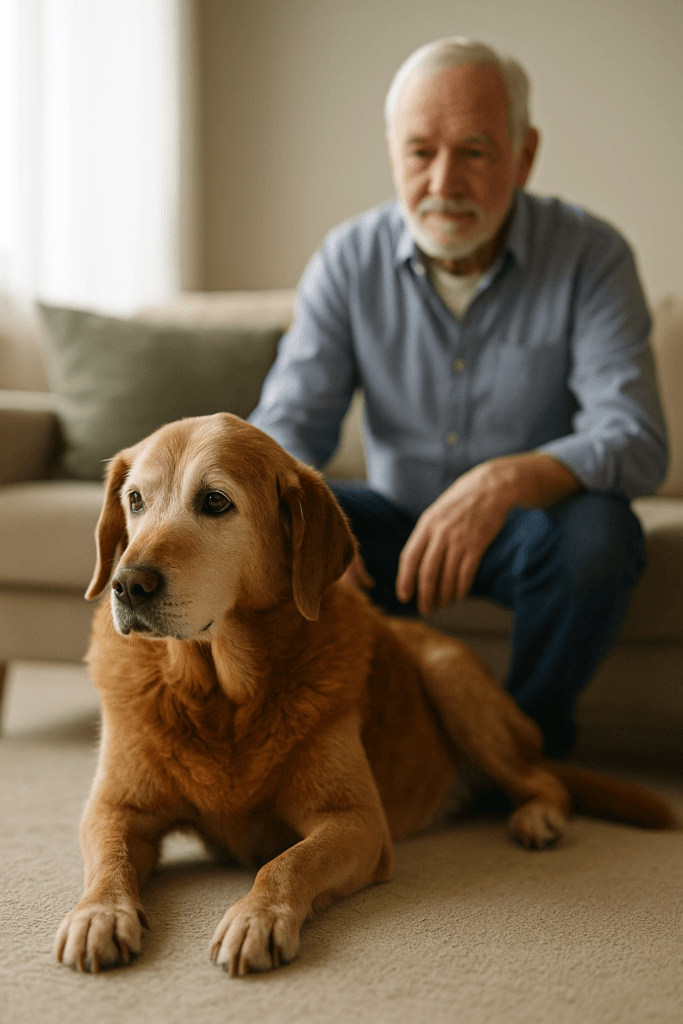
Because when your dog enters their senior years, they still want the same things they’ve always wanted: to feel safe, loved, and included in your life. And knowing what health issues may be coming is one of the best ways you can protect that.
What Age Is Considered a “Senior Dog”?
It Depends on the Breed
One of the most confusing things about caring for an older dog is this: there isn’t one exact age when every dog becomes a senior.
A dog’s size and breed make a big difference in how quickly they age.
- Small dogs often live longer and may not be considered seniors until around 10–12 years old
- Medium dogs often enter senior years around 8–10 years old
- Large and giant breeds tend to age faster and may be considered seniors as early as 6–8 years old
So if you’ve ever heard someone say, “Dogs are seniors at 7,” that’s not always accurate. A 7-year-old Chihuahua and a 7-year-old Great Dane are often in completely different stages of life.
The best way to think about it is this:
A senior dog is one who is starting to slow down physically, mentally, or medically—even if they don’t look “old” yet.
Top Health Concerns for Older Dogs and How to Manage Them
Below are the most common health issues many dogs experience as they age, listed in the order most owners tend to notice them.
1. Joint Pain, Arthritis, and Mobility Problems
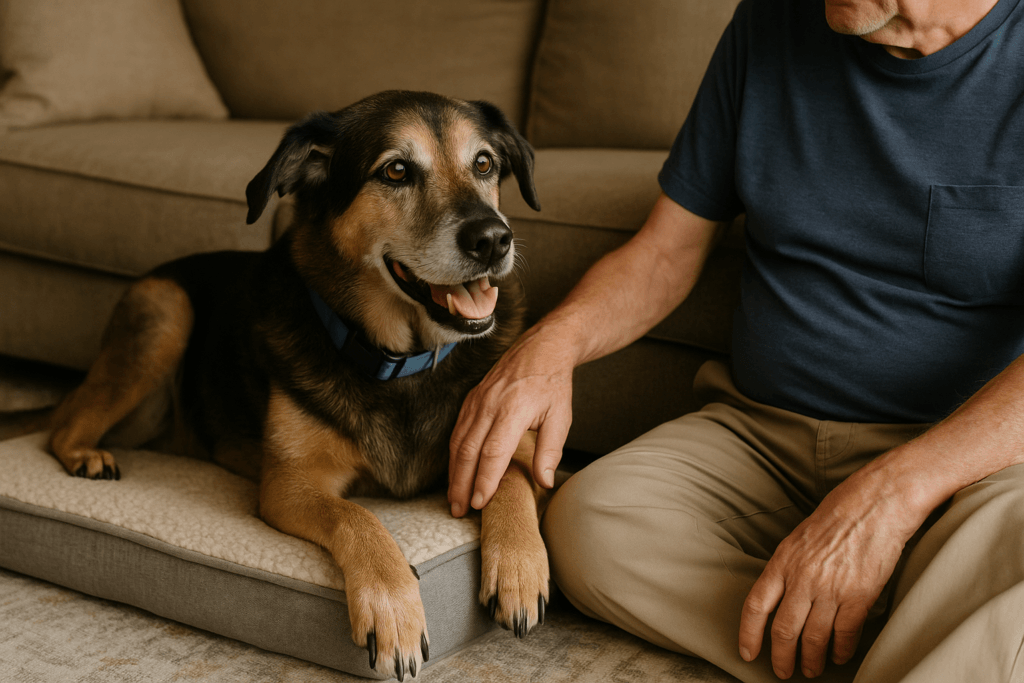
This is one of the most common issues senior dogs face—and often the first one dog owners notice.
Signs to watch for:
- Stiffness when getting up
- Limping or slower walking
- Hesitating to jump, climb stairs, or get in the car
- Less interest in walks or playtime
How to help:
- Keep your dog at a healthy weight (extra pounds = extra joint stress)
- Add ramps or pet stairs for beds and couches
- Use orthopedic beds for better joint support
- Ask your vet about joint supplements like glucosamine, chondroitin, MSM, or omega-3s
- Consider low-impact exercise like short walks and gentle movement
Aussie has recently been showing signs of arthritis, now we must make our walks shorter in distance then when he was younger.
2. Weight Gain and Slower Metabolism
As dogs age, their activity level often drops—while their appetite stays the same.
Signs to watch for:
- Gaining weight despite eating the same amount
- Less stamina on walks
- Heavier breathing during normal activity
How to help:
- Switch to a senior-friendly food if recommended by your vet
- Measure meals instead of free-feeding
- Use low-calorie treats (or cut treats into smaller pieces)
- Add short, consistent walks rather than long intense ones
Aussie is now on a healthier diet plan then when he was a young dog, we are eating more veggies than we use to and less doggy treats.
3. Dental Disease and Bad Breath
Dental issues are extremely common in older dogs, and they can lead to pain, infection, and even organ strain if left untreated.
Signs to watch for:
- Bad breath
- Yellow/brown buildup on teeth
- Red or bleeding gums
- Dropping food or chewing on one side
How to help:
- Schedule dental checkups and cleanings with your vet
- Brush your dog’s teeth if possible (even a few times a week helps!)
- Use dental chews approved by your vet
- Add dental water additives if brushing isn’t realistic
Aussie gets a dental chew everyday for his teeth, as you might find out dental care for an older dog can add up to a very large amount of money.
4. Hearing Loss and Vision Changes
Many senior dogs experience gradual hearing and vision decline, and it can be subtle at first.
Signs to watch for:
- Not responding when called
- Startling more easily
- Bumping into furniture
- Trouble seeing at night or in dim lighting
How to help:
- Keep furniture layout consistent (don’t rearrange often)
- Use night lights in hallways
- Approach your dog gently so you don’t startle them
- Use hand signals if hearing is fading
- Add rugs or runners for traction and confidence
Thankfully Aussie isn’t experiencing hearing and vision problems, but I am keeping a close eye on him to know if he does in the future.
5. Digestive Issues and Sensitive Stomach
Older dogs can become more sensitive to foods, and digestive problems may show up more often.
Signs to watch for:
- Gas or bloating
- Loose stools
- Vomiting more than occasionally
- Reduced appetite
How to help:
- Avoid frequent diet changes
- Choose easily digestible food
- Ask your vet about probiotics
- Feed smaller meals more often if needed
- Watch for signs of pancreatitis (especially in dogs who get fatty treats)
I feed Aussie several times per day instead of once a day. He seems to be doing much better with this diet change, he also is getting more veggies with his meals.
6. Cognitive Decline (Dog Dementia)
This is more common than many owners realize. It’s often called Canine Cognitive Dysfunction (CCD) and can look like confusion or “odd behavior.”
Signs to watch for:
- Wandering aimlessly
- Staring at walls
- Getting stuck in corners
- Accidents in the house
- Changes in sleep patterns
How to help:
- Stick to a consistent routine
- Use puzzle toys or gentle mental stimulation
- Ask your vet about supplements or diets that support brain health
- Keep your dog safe (baby gates can help if they get disoriented)
We are not experiencing this at this time, but from research I am realizing it is more common than I realized with older dogs.
7. Heart Disease
Heart issues are common in older dogs, especially certain breeds, and often develop slowly.
Signs to watch for:
- Coughing (especially at night or after activity)
- Heavy breathing
- Low energy
- Fainting or weakness
How to help:
- Don’t ignore persistent coughing
- Keep vet visits consistent
- Follow medication instructions carefully
- Maintain a healthy weight and activity level
8. Kidney Disease
Kidney disease is one of the most common serious senior dog conditions and is often detected through routine bloodwork.
Signs to watch for:
- Drinking more water
- More frequent urination
- Weight loss
- Reduced appetite
- Bad breath (sometimes ammonia-like)
How to help:
- Get regular senior bloodwork
- Make sure your dog always has fresh water
- Follow a vet-approved kidney-friendly diet if diagnosed early
- Monitor appetite and hydration closely
9. Cancer and Tumors
Cancer risk increases as dogs age. Some cancers are treatable, especially when caught early.
Signs to watch for:
- New lumps or bumps
- Rapidly growing masses
- Weight loss without explanation
- Loss of appetite
- Unusual bleeding
How to help:
- Check your dog’s body regularly for new lumps
- Don’t assume lumps are “just old age”
- Get growths tested (fine needle aspiration is common)
- Focus on comfort and quality of life if treatment isn’t an option
10. Incontinence and Bladder Issues
Many older dogs struggle with bladder control, and it’s frustrating for owners—but often manageable.
Signs to watch for:
- Dribbling urine
- Wet spots where your dog sleeps
- Frequent bathroom accidents
- Licking the genital area more than usual
How to help:
- Rule out UTIs (very common in seniors)
- Ask your vet about medications for incontinence
- Use washable pee pads or waterproof blankets
- Take your dog out more frequently
Don’t Wait Until Something Looks “Serious”
One of the biggest mistakes dog owners make is waiting too long because the changes seem “normal for old age.”
But here’s the truth:
Aging is normal. Suffering isn’t.
The earlier you catch these issues, the more options you usually have.
What You Can Do at Home to Make Life Easier for an Older Dog
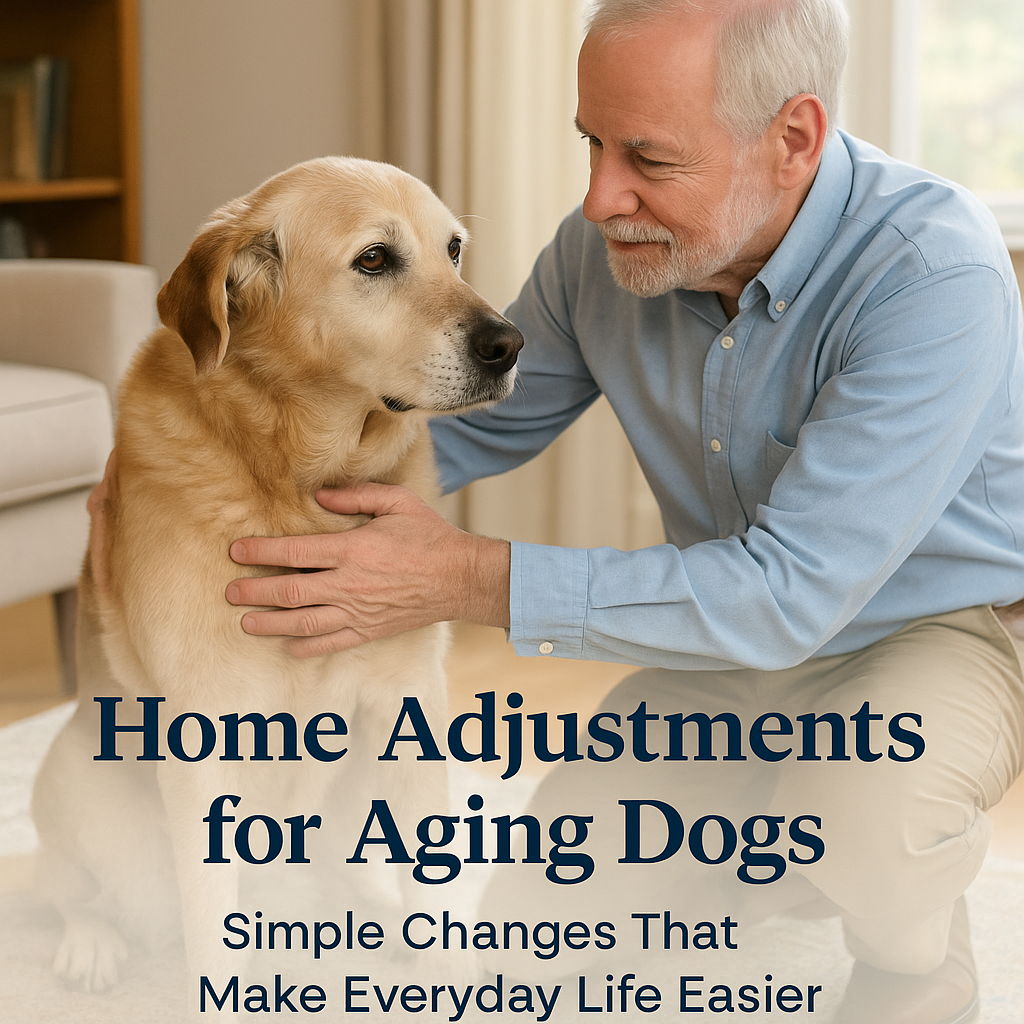
The good news about senior dogs is this: you don’t always need expensive treatments to make a big difference. In many cases, simple changes at home can dramatically improve your older dog’s comfort, confidence, and quality of life.
Here are some of the best ways to support your aging dog right at home.
1. Add Ramps or Pet Stairs Even If Your Dog “Can Still Jump”
Older dogs often keep jumping long after their joints stop liking it. And that’s where injuries happen.
Helpful home upgrades:
- A ramp for the couch or bed
- Pet stairs for shorter climbs
- A ramp for getting into the car
This reduces strain on hips, knees, elbows, and the spine — especially for dogs with arthritis.
2. Upgrade Their Bed Because Hard Floors Hurt More Now
Senior dogs need more joint support than younger dogs.
Look for:
- Orthopedic or memory foam beds
- Beds with bolstered sides (great for neck support)
- Beds that are easy to step into (lower edges)
And if your dog sleeps in multiple spots, consider putting a bed in their favorite areas so they don’t have to wander far.
3. Put Down Rugs or Runners for Traction
Slippery floors are a major issue for older dogs. Even a dog who’s “still strong” can slip and strain something.
Easy fixes:
- Add rugs in hallways and high-traffic areas
- Use non-slip rug pads underneath
- Place a rug near food and water bowls
- Put a runner near the back door where they wait to go out
This helps with confidence, stability, and safety.
4. Raise Food and Water Bowls Especially for Stiff Necks
Some senior dogs struggle to bend down comfortably, especially if they have arthritis in the neck, shoulders, or spine.
A simple raised bowl stand can help reduce strain and make meals easier.
5. Make Bathroom Breaks Easier and More Frequent
Older dogs often can’t “hold it” as long as they used to — and it’s not their fault.
Try:
- More frequent potty breaks
- Shorter time between evening and morning trips
- A designated potty spot that’s easy to reach
- Pee pads or washable mats for dogs with accidents
This reduces stress for both you and your dog.
6. Keep Them Moving — But Don’t Overdo It
Movement is still important for senior dogs. The key is gentle, consistent exercise, not long intense workouts.
Better options for seniors:
- Short walks even multiple per day
- Light playtime
- Slow sniff walks (great mental stimulation too)
- Gentle stretching (if your dog enjoys it)
Aussie and I take more frequent walks per day than we used to, but our walks are much shorter each time than in the past. I allow Aussie to determine the length of our walks, when he has had enough he will go to the door to let me know its time.
7. Keep Their Routine Predictable
Senior dogs do best when life is steady and familiar. A consistent routine reduces anxiety and helps dogs with cognitive changes feel more secure.
Try to keep:
- Feeding times consistent
- Walk schedules predictable
- Sleeping areas unchanged
- Furniture layout stable (especially for vision loss)
8. Make It Easier for Them to Stay Warm
Older dogs often get cold more easily, especially thin dogs or dogs with arthritis.
Simple comfort upgrades:
- A cozy blanket on their bed
- A warm sweater for chilly days
- Keeping their sleeping area away from drafts
Warmth can make a noticeable difference in joint comfort.
9. Help Them Feel Safe If Hearing or Vision Is Fading
Dogs with hearing or vision loss can become more anxious or startled.
You can help by:
- Approaching them gently especially when sleeping
- Using hand signals or gentle touch cues
- Adding night lights for nighttime navigation
- Avoiding sudden loud noises when possible
10. Do Regular “Head-to-Toe” Checkups at Home
Many senior dog problems are easier to treat when caught early.
Once a week, do a quick check:
- Feel for new lumps or bumps
- Look at gums and teeth
- Check paws and nails
- Notice changes in appetite, energy, or breathing
- Watch how they walk and get up
This simple habit can help you catch issues before they become emergencies.
The Most Important Thing You Can Give a Senior Dog
At the end of the day, senior dogs don’t need perfection.
They need comfort. Patience. And a home that adapts with them.
Because even when they slow down, they still want to be near you — and they still want to feel like they belong.
Common Questions Dog Owners Ask About Senior Dog Health
As dogs get older, it’s completely normal for owners to have questions—and sometimes even a little worry. The good news is that many age-related changes can be managed with the right support, and your vet can help guide you through the process.
Here are some of the most common questions dog owners ask as their dog enters their senior years.
Q: How do I know if my dog is truly in pain or just “slowing down”?
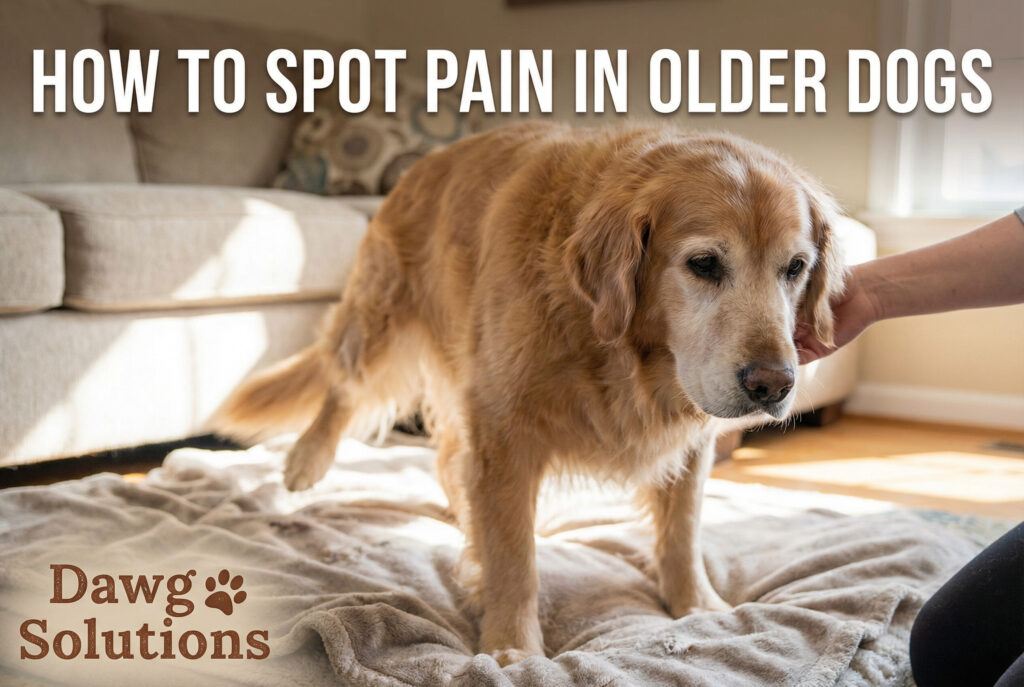
A: This is one of the hardest things for dog owners to figure out because dogs are very good at hiding pain. Many dogs don’t cry or whimper—they simply change behavior.
Common signs of pain in older dogs include:
- Stiffness when getting up
- Less interest in walks or play
- Limping or moving slower
- Avoiding stairs or jumping
- Irritability or being more withdrawn
If you’re noticing changes, it’s worth a vet visit. Aging is normal, but constant discomfort shouldn’t be.
Q: What age should my dog start seeing the vet more often?
A: Most vets recommend senior dogs get checkups every 6 months instead of once a year.
This matters because health issues like kidney disease, diabetes, heart problems, and arthritis often develop slowly—and regular checkups can catch them earlier when they’re easier to manage.
Q: Should I switch my dog to a senior dog food?
A: Not always—but many dogs benefit from it.
Senior dog food is often lower in calories and may contain ingredients that support joint health, digestion, or brain function. However, the best diet depends on your dog’s weight, activity level, and any medical issues.
A good rule:
If your dog is gaining weight, slowing down, or developing health issues, it’s time to ask your vet about diet changes.
Q: Why is my older dog drinking more water than usual?
A: Increased thirst can happen for many reasons, but it’s also a common early sign of conditions like:
- Kidney disease
- Diabetes
- Cushing’s disease
- Urinary tract infections
If you notice your dog suddenly drinking much more than normal, don’t ignore it. This is one of the most important senior dog symptoms to get checked out.
Q: My dog is having accidents indoors—are they doing it on purpose?
A: No. Senior dogs don’t have accidents out of spite.
Accidents can happen due to:
- Weakened bladder muscles
- Urinary tract infections
- Hormonal changes
- Kidney disease
- Cognitive decline
The best first step is a vet visit to rule out a medical cause. Many cases of senior incontinence can be improved with medication or management.
Q: Why is my dog pacing at night or acting confused?
A: This can be a sign of Canine Cognitive Dysfunction, which is often compared to dementia in humans.
Dogs may:
- Wander or pace
- Seem lost in familiar places
- Wake up at odd hours
- Bark for no clear reason
- Stare at walls
While it can’t always be reversed, it can often be managed. Your vet may recommend routine changes, supplements, or supportive diets.
Q: Is it normal for my dog to sleep so much now?
A: Yes—older dogs do sleep more. But there’s a difference between normal rest and unusual fatigue.
A senior dog may sleep more because:
- They’re naturally less energetic
- Their joints get tired faster
- Their body needs more recovery time
However, if your dog seems extremely tired, weak, or uninterested in food, it’s worth checking in with your vet.
Q: Should I still walk my senior dog even if they have arthritis?
A: Yes—in most cases, gentle movement helps.
The key is:
- Shorter walks
- Slower pace
- More frequent breaks
- Avoiding extreme heat or cold
Many senior dogs do better with consistent low-impact exercise than with long walks once in a while.
Q: How do I know if a lump on my dog is serious?
A: Any new lump should be checked—especially if it:
- Grows quickly
- Feels hard or irregular
- Causes pain
- Bleeds or changes color
Some lumps are harmless fatty tumors (lipomas), but the only way to know is for your vet to test it. Early detection makes a big difference.
Q: Why is my dog’s breath so bad all of a sudden?
A: Bad breath is often a sign of dental disease, which is extremely common in older dogs.
But it can also be linked to other health problems like kidney disease.
If your dog’s breath becomes unusually strong or foul, it’s a good idea to schedule a dental and wellness check.
Q: What are the biggest warning signs that something is wrong with my senior dog?
A: Some changes are gradual, but these symptoms should never be ignored:
- Trouble breathing
- Collapse or fainting
- Sudden loss of appetite
- Rapid weight loss
- Vomiting or diarrhea lasting more than a day
- Seizures
- Persistent coughing
- Sudden inability to walk or stand
- Extreme thirst or urination changes
If you notice any of these, contact your vet right away.
Q: What’s the most important thing I can do for my aging dog?
A: The best thing you can do is stay observant and proactive.
Senior dogs do best when owners:
- Schedule regular vet visits
- Watch for subtle behavior changes
- Keep them at a healthy weight
- Support joints and mobility
- Make small home changes for comfort
Most of all, senior dogs thrive when they still feel safe, included, and loved.
Caring for an Older Dog Is One of the Most Loving Things You’ll Ever Do
If your dog is getting older and starting to experience any of the health concerns we’ve covered in this article, the most important thing to remember is this:
You’re not alone — and you’re not doing anything wrong.
Aging happens to every dog, and it often comes with changes that can feel emotional, stressful, and sometimes even overwhelming. It’s hard to watch a dog who once ran, jumped, and played without limits begin to slow down. But slowing down doesn’t mean your dog is done living a happy life.
Caring for an older dog
With the right care, many senior dogs continue to enjoy their days — just in a different way. They may not chase toys the way they used to, but they still love their walks, their routines, their meals, and most of all… being close to you.
The truth is, one of the greatest gifts you can give an aging dog is simple:
comfort, patience, and support.
Small changes at home, regular vet visits, and early attention to symptoms can make a huge difference in how your dog feels day to day. And even when your dog has a chronic condition like arthritis, kidney disease, or cognitive decline, there are often ways to manage it so your dog can stay comfortable and safe.

Disclaimer
The information in this article is provided for general educational and informational purposes only and is not intended as veterinary advice. Every dog is unique, and health concerns in older dogs can vary based on breed, size, medical history, and overall condition.
Always consult your veterinarian if your dog is experiencing symptoms, changes in behavior, or signs of illness. Only a licensed veterinary professional can properly diagnose and recommend the most appropriate treatment plan for your dog.
Dawg Solutions does not assume responsibility for any outcomes resulting from the use of the information provided in this article.
Reputable Resources for Senior Dog Health
If you’d like to learn more about caring for an older dog, here are a few trusted sources that are well-known, reputable, and considered authorities in pet health:
- American Veterinary Medical Association (AVMA)
- American Animal Hospital Association (AAHA)
- Cornell University College of Veterinary Medicine
- UC Davis School of Veterinary Medicine
- VCA Animal Hospitals (Vet-reviewed articles)
- Veterinary Partner (written by veterinarians)
These resources provide reliable, science-based information — and they’re a great place to start when you want to understand a condition more clearly before (or after) talking with your vet.
Jeffs Reminder
Your dog doesn’t need to be “young” to be happy.
They just need to feel safe, cared for, and loved — and if you’re reading this article, it’s already clear you’re giving them exactly that.
We all must become old one day, even our best canine friend.
Aussie n Jeff/ Dawgy Talk
Affiliate Disclosure
Amazon + Friends
Affiliate Disclosure: Some of the links on this website may be affiliate links. This means that if you click a link and make a purchase, I may earn a small commission at no extra cost to you. These commissions help support 65 Plus Life, Boomer Biz HQ, and Dawg Solutions. so I can continue creating free resources for older adults.
Amazon Disclosure: As an Amazon Associate, I earn from qualifying purchases. Any Amazon links used throughout this website may earn a commission when you purchase through them.
Thank you for supporting my work — it truly means a lot
Aussie n Jeff
- Top Nutritional Needs Of Picky Small Dog BreedsTop nutritional needs of picky small dog breeds was inspired by my mothers yorkie terrier, she thinks she is too good to eat dog food. No matter if its kibbles or canned, she will go hungry before giving in. My mother worries that she is not getting the nutritional needs that she needs, so that … Read more
- Why Is Socialization Important For Special Needs DogsWhy is socialization important for special needs dogs might surprise you. Are you a dog owners with a dog with special needs, maybe you have it in your heart to adopt a special needs dog. Socialization is an important part of caring for this special dog, read why in my article written especially for you. … Read more
- What Is The Best Diet For Special Needs DogsWhat is the best diet for special needs dogs. Did you ever wonder if your special needs dog should be on a special diet plan. That is what we are going to cover in this article, so if this is something that interests you this article is for you. Affiliate Disclosure Amazon + Friends Affiliate … Read more
- How To Train Special Needs Dogs EffectivelyHow to train special needs dogs effectively is to help dog owners. Special needs dogs of course need special products from time to time, and then training them how to use them can be a challenge. Affiliate Disclosure Amazon + Friends Affiliate Disclosure: Some of the links on this website may be affiliate links. This … Read more
- What Are The Best Smart Dog Products For Senior DogsWhat are the best smart dog products for senior dogs. Taking care of our older dogs is extremely important to dog owners, we want to make them as comfortable and happy as possible. Smart dog products are able to help us accomplish these goals, together we are going to learn about the better smart dog … Read more
- How To Choose Smart Dog Products Without OverspendingHow to choos smart dog products without overspending your budget. As you might have experienced on your own overspending is not difficult to do today, and we want our dogs to have whatever we can afford that will make their lives more comfortable. Affiliate Disclosure Amazon + Friends Affiliate Disclosure: Some of the links on … Read more
- Popular Toy Dog Breeds For CompanionshipPopular toy dog breeds for companionship especially for older adults. Living alone for seniors can make life extremely lonely, but many seniors have found campionship from adding a toy dog breed into their home. Affiliate Disclosure Amazon + Friends Affiliate Disclosure: Some of the links on this website may be affiliate links. This means that … Read more
- 10 Best Dog Car Seats Shopping Guide10 best dog car seats shopping guide is to help dog owners. Dog car seats might be new to many of you reading this, so I am going to do my best to help you narrow down your best choices to get the most for your hard earned money. Affiliate Disclosure Amazon + Friends Affiliate … Read more
- How To Choose Dog Supplements For Arthritis With ConfidenceHow to choose dog supplements for arthritis with confidence can overwhelm some dog owners, so I am going to guide you step-by-step how to choose the best dog supplements for arthritis. Like people, many older dogs develop arthritis just like we do, so this can be a good addtion to their diet plan. Affiliate Disclosure … Read more
- Halo Collar Review: Is It Worth It For Your Dog’sHalo Collar is an investment for dog owners that you might like to know about, how many of you have a dog who likes to explore every chance that they get. This will provide you with peace of mind the next time they go on an adventure without you, ask yourself is keeping my dog … Read more
This is such an important and compassionate post. So many of us assume our dogs are “just slowing down,” when in reality they may be dealing with arthritis, dental pain, kidney issues, or even cognitive decline. I really appreciate how you broke everything down into clear signs to watch for and practical steps owners can take at home. The reminders about not waiting until something looks serious really hit home, early detection truly makes a difference in comfort and quality of life. I also love the emphasis on small home changes like ramps, better bedding, and predictable routines. Those simple adjustments can mean everything to a senior dog. Thank you for normalizing the emotional side of caring for an aging dog too. It’s not easy, but it’s one of the greatest acts of love we can give them in their golden years.
Hello Andrejs
Thank you for reading Top Health Concerns For Older Dogs Revealed, I am extremely happy this article was informative and interesting for you to read.
This afternoon I am taking my moms Yorkie to the vet, she is having some problems with her one eye watering and seepage.
Jeff