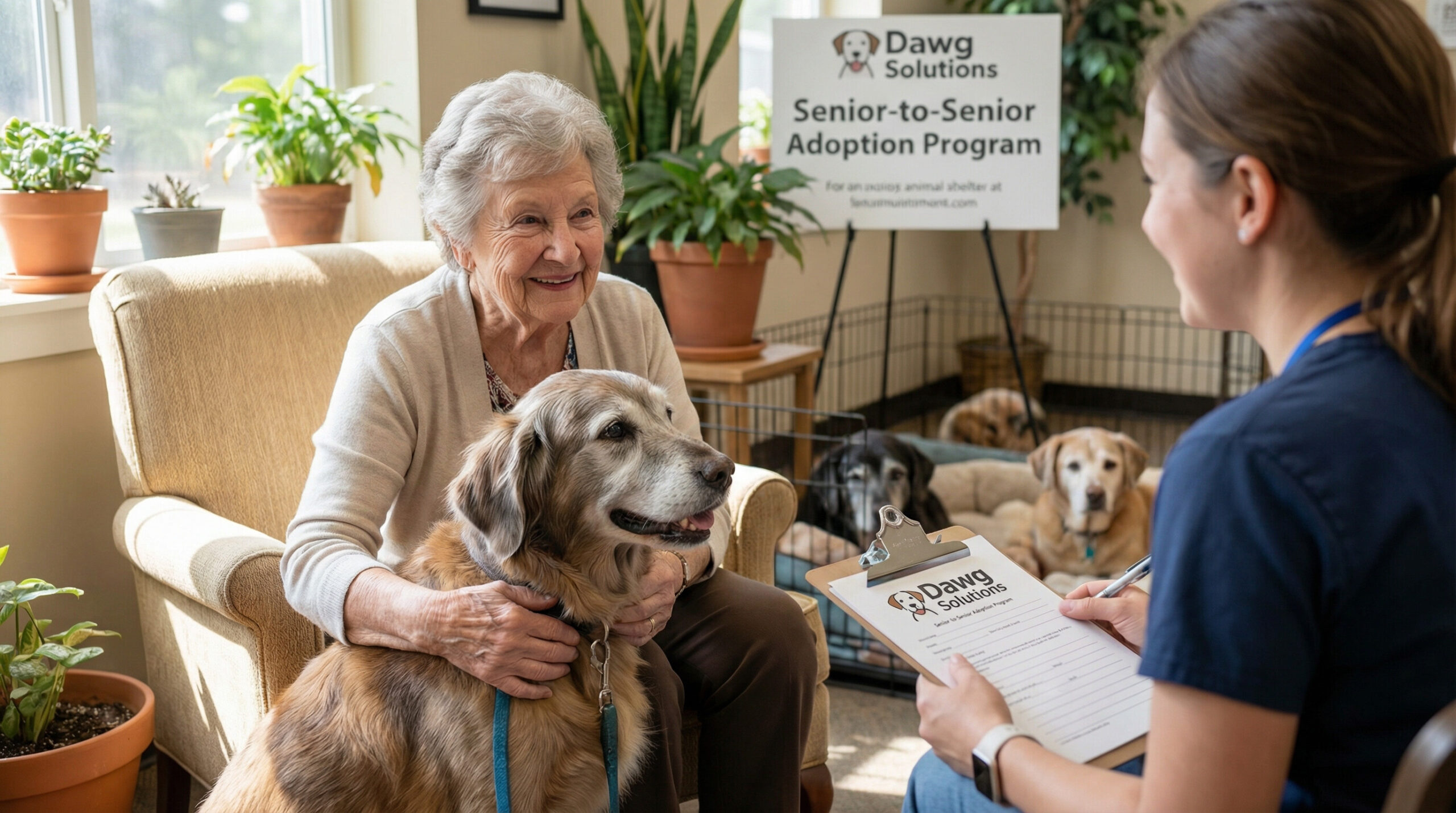
Senior-friendly dog adoption programs for companionship is going to change many of your lives. Nothing, I mean nothing will change your life as much as adopting a canine best friend. Read to learn more about the senior-friendly dog adoption programs included in this article.
Affiliate Disclosure
Amazon + Wealthy Affiliate + Friends
Aussie n Jeffs Promise To You
You will never find any affiliate links in any of my step-by-step guides on any of my websites, I feel that my guides are to educate you, not push products & services at you.
Affiliate Disclosure: Some of the links on this website may be affiliate links. This means that if you click a link and make a purchase, I may earn a small commission at no extra cost to you. These commissions help support 65 Plus Life, Boomer Biz HQ, and Dawg Solutions. so I can continue creating free resources for older adults.
Amazon Disclosure: As an Amazon Associate, I earn from qualifying purchases. Any Amazon links used throughout this website may earn a commission when you purchase through them.
Wealthy Affiliate Disclosure: I am also a proud affiliate of Wealthy Affiliate. If you choose to join their platform through my referral link, I may earn a commission. I only recommend Wealthy Affiliate because it has personally helped me build websites and create income online, and I believe it can help other older adults learn these skills too.
Thank you for supporting my work — it truly means a lot
Aussie n Jeff
Senior-Friendly Dog Adoption Programs
A New Chapter Worth Exploring
For many of us, dogs have been part of our lives for decades. They’ve walked beside us through busy years, quieter seasons, and everything in between. If you’re a senior dog owner—or someone who’s loved and lost a dog—you already know how deeply that bond runs.
What Better Companion
As life changes, so do our needs. Energy levels shift, routines slow down, and we become more thoughtful about the kind of companion that truly fits our lifestyle now, not 20 years ago. That’s where senior-friendly dog adoption programs come in.
These programs are designed with older adults in mind. They focus on matching calm, compatible dogs with seniors who want companionship without the overwhelming demands that can come with puppies or high-energy breeds. Often, these dogs are already house-trained, past the chewing phase, and just as happy with a cozy nap as they are with a gentle walk.
The Programs
Even better, many of these programs remove common barriers that stop seniors from adopting—like high fees, long travel distances, or worries about long-term care for the dog. Some even offer ongoing support, reduced veterinary costs, or backup plans if health issues arise.
For seniors who still have plenty of love to give—and dogs who are waiting for a second chance—these programs can be life-changing on both sides of the leash.
In this article, we’ll explore what senior-friendly dog adoption programs are, how they work, and why they might be the perfect fit for you or someone you love.
Why Puppies Aren’t Always the Best Choice for Older Adults
Puppies are adorable—there’s no denying it. Those floppy ears, clumsy paws, and endless enthusiasm can melt anyone’s heart. But behind the cuteness is a level of energy, unpredictability, and physical demand that can be challenging for older adults, especially in apartments or quieter homes.
1. Puppies Require Constant Physical Energy
Puppies need frequent walks, active play, and close supervision throughout the day. Many breeds require multiple long walks plus playtime to burn off energy. For seniors with joint pain, balance issues, or limited stamina, this constant activity can quickly become exhausting—or even unsafe.
A sudden tug on the leash, an unexpected lunge, or playful jumping can increase the risk of falls, which is a serious concern for older adults.
2. House-Training Can Be Physically Demanding
Puppies don’t come pre-programmed with bathroom manners. House-training means:
- Frequent trips outside (sometimes every 1–2 hours)
- Late-night and early-morning outings
- Cleaning accidents indoors
For seniors living in apartments, this often means navigating stairs, elevators, or long hallways multiple times a day—sometimes in bad weather. That routine can become stressful and physically taxing very quickly.
3. Chewing, Jumping, and Rough Play
Puppies explore the world with their mouths. Chewing furniture, shoes, cords, and personal items is common, even with training. They also tend to jump, nip, and play roughly—not out of aggression, but excitement.
For seniors, this behavior can:
- Damage cherished belongings
- Create tripping hazards
- Lead to scratches or minor injuries that heal more slowly with age
4. Training Takes Time, Patience, and Consistency
Training a puppy isn’t just about teaching “sit” and “stay.” It includes leash manners, socialization, impulse control, and ongoing reinforcement. This requires:
- Regular training sessions
- Consistent routines
- Mental focus and patience
For older adults who want companionship and calm, the intensity of puppy training can feel overwhelming rather than enjoyable.
5. Puppies Grow—and Not Always as Expected
That small, cuddly puppy won’t stay small forever. Some dogs grow larger, stronger, and more energetic than anticipated. Seniors may find themselves caring for a dog that eventually becomes difficult to manage physically, especially on walks or during vet visits.
This unpredictability can create long-term stress and concern about the future.
6. Higher Costs and Veterinary Visits
Puppies typically require:
- A full series of vaccinations
- Spay/neuter surgery
- Training classes
- Replacements for chewed items
These costs—combined with frequent vet visits—can add up quickly and strain a fixed income.
An Alternative That Still Offers Deep Companionship
None of this means seniors shouldn’t have dogs. In fact, the right dog can improve emotional health, reduce loneliness, and bring structure and joy to daily life.
That’s why calm, adult, or senior dogs—especially those matched through senior-friendly adoption programs—are often a better fit. These dogs are typically already trained, lower-energy, and emotionally mature, making them wonderful companions without the chaos of puppyhood.
And the bond? Just as deep—sometimes even deeper.
Why Adult and Senior Dogs Are Ideal Companions for Older Adults
While puppies demand energy and constant training, adult and senior dogs offer something many older adults truly want and appreciate: steady companionship, predictability, and calm affection. These dogs aren’t a compromise—they’re often the perfect match for a senior lifestyle.
1. Calm Energy That Fits a Slower Pace
Adult and senior dogs are typically past the hyperactive stage. They enjoy:
- Short, leisurely walks
- Quiet playtime
- Long naps nearby
This aligns beautifully with the routines of older adults who value peace, consistency, and relaxed daily rhythms.
2. Established Personalities—No Surprises
One of the biggest advantages of adopting an adult or senior dog is knowing who they already are. Shelters and foster homes can usually tell you:
- Energy level
- Temperament
- How the dog behaves around people
- Whether they’re good in apartments or homes
That predictability brings peace of mind—especially important for seniors.
3. Often House-Trained and Leash-Mannered
Many adult and senior dogs already understand basic routines:
- Going outside to potty
- Walking calmly on a leash
- Sleeping through the night
This means less physical strain, fewer messes, and far less stress—particularly for apartment dwellers or anyone with mobility concerns.
4. Companionship Without the Chaos
Older dogs tend to be:
- Less jumpy
- Less destructive
- More content simply being near their person
They don’t need constant stimulation to be happy. For seniors, this creates a relationship built on mutual comfort, not constant correction.
5. Deep Gratitude and Strong Bonds
There’s something incredibly special about an older dog finding a loving home later in life. Many adopters say these dogs:
- Form strong emotional bonds quickly
- Are incredibly loyal
- Seem deeply appreciative of care and kindness
For older adults, this connection can be profoundly meaningful.
Best Dog Breeds for Older Adults
While every dog is an individual, certain breeds are generally known for traits that work especially well for seniors—calm temperament, manageable size, and moderate exercise needs. Adult and senior dogs from these breeds are often wonderful companions.
Smaller Breeds (Great for Apartments & Low Physical Strain)
- Shih Tzu – Affectionate, calm, and content with short walks
- Cavalier King Charles Spaniel – Gentle, loving, and people-focused
- Bichon Frise – Cheerful, adaptable, and not overly demanding
- Pug – Laid-back, charming, and happy to lounge
- Maltese – Loyal lap dogs with modest exercise needs
Medium Breeds (Calm, Loyal, and Steady)
- Cocker Spaniel – Sweet-natured and emotionally attuned
- Beagle (older adults only) – Friendly and loving once past puppy energy
- Whippet – Quiet, gentle, and surprisingly low-energy indoors
- Bulldog – Relaxed, affectionate, and slow-paced
Larger Breeds (For Seniors Comfortable With Size)
- Greyhound – Calm, quiet, and famously “45-mph couch potatoes”
- Labrador Retriever (older dogs) – Loyal, gentle, and deeply bonded to their people
- Golden Retriever (older dogs) – Calm, affectionate, and emotionally intuitive
Important note: Breed tendencies are helpful, but temperament matters more than labels. A mellow mixed-breed adult dog can be just as perfect—sometimes even more so—than a purebred.
Why Senior-Friendly Adoption Programs Make the Match Even Better
Senior-friendly adoption programs often pre-match dogs with older adults, considering:
- Activity level
- Living situation
- Health concerns
- Emotional needs
These programs remove guesswork and help ensure both human and dog thrive together.
Senior-Friendly Tips for Choosing the Right Dog for Your Apartment or Home
Choosing the right dog later in life isn’t about limits—it’s about fit. The best match brings comfort, safety, and joy to both you and the dog. These tips are designed to help older adults choose wisely, confidently, and without pressure.
1. Prioritize Temperament Over Age or Looks
The most important factor isn’t how cute or young a dog is—it’s how calm and adaptable they are.
Look for dogs that:
- Walk calmly on a leash
- Are comfortable being handled
- Don’t jump excessively
- Seem relaxed around new people
Shelters and foster caregivers are often happy to describe a dog’s personality in real-life situations—take advantage of that insight.
2. Match the Dog’s Energy Level to Your Daily Routine
Be honest about your lifestyle:
- Do you enjoy short daily walks or prefer staying close to home?
- Are stairs, long hallways, or elevators part of your routine?
- Do you want a dog who enjoys quiet companionship?
A lower-energy adult or senior dog will often be happiest with gentle walks and cozy downtime—exactly what many older adults prefer.
3. Size Matters—But Manageability Matters More
A smaller dog may be easier to lift, bathe, or manage in an apartment. That said, some larger dogs are calmer and easier to live with than smaller, more energetic ones.
Ask yourself:
- Can I comfortably hold the leash if the dog pulls?
- Can I assist the dog into a car or onto furniture if needed?
- Do I feel steady walking beside this dog?
Confidence and safety always come first.
4. Choose a Dog That’s Comfortable Being Alone
If you live alone or occasionally step out for errands or appointments, look for a dog that:
- Doesn’t suffer from severe separation anxiety
- Is content resting while you’re away
- Doesn’t bark excessively
This is especially important in apartments where noise can affect neighbors.
5. Ask About Training and Daily Habits
A dog that already understands basic routines can make life much easier. Ask about:
- House-training reliability
- Leash behavior
- Feeding schedule
- Nighttime habits
Many adult and senior dogs are already well-adjusted to home life, which reduces stress for everyone.
6. Consider Your Future Needs, Not Just Today
It’s okay to plan ahead. Think about:
- Long-term mobility
- Transportation to vet visits
- Backup help from family, friends, or senior-friendly adoption programs
Some programs even offer return-to-program guarantees or support plans, which can bring tremendous peace of mind.
Common Health Issues Older Dogs May Have (and What to Know)
Adopting an adult or senior dog means being realistic—but not fearful—about health. Many older dogs live happy, comfortable lives with simple care and routine monitoring.
Common Conditions You Might Encounter
- Slower movement or difficulty with stairs
- Often manageable with medication, supplements, or orthopedic beds
Dental Issues
- Gum disease or missing teeth
- Regular cleanings and softer foods can help
Vision or Hearing Loss
- Some dogs may see or hear less clearly
- Most adapt beautifully with consistency and patience
- Older dogs may gain or lose weight more easily
- A steady diet and light exercise usually keep this under control
Chronic Conditions (Like Heart or Thyroid Issues)
- Often already diagnosed
- Many are managed with affordable daily medications
Why This Isn’t a Dealbreaker
Reputable shelters and senior-friendly adoption programs are typically very transparent about medical needs. Many provide:
- Full medical histories
- Initial veterinary exams
- Reduced adoption fees
- Ongoing support or advice
And here’s something many adopters discover:
Older dogs are often calmer, more cooperative at vet visits, and easier to care for than younger dogs.
Aussie n Jeffs Reminder

Choosing the right dog is about creating a partnership that feels safe, loving, and sustainable. When seniors and older dogs find each other, it’s often less about rescue—and more about belonging.
What to Expect From Senior-Friendly Dog Adoption Programs
Senior-friendly dog adoption programs exist to make dog companionship safe, realistic, and joyful for older adults. These programs understand that seniors aren’t “less capable”—they simply have different needs, priorities, and concerns.
Here’s what sets these programs apart from traditional adoptions.
1. Thoughtful Matching, Not Guesswork
These programs focus on matching the right dog to the right person, not rushing adoptions.
They typically consider:
- Your age and activity level
- Apartment vs. home living
- Mobility or health concerns
- Desired dog size and temperament
Many dogs in these programs are already in foster homes, meaning their real-life behavior is well understood—not just guessed at in a shelter setting.
2. Reduced or Waived Adoption Fees
One of the biggest barriers for seniors is cost. Many senior-friendly programs:
- Offer reduced or zero adoption fees
- Include spay/neuter, vaccinations, and microchipping
- Provide initial veterinary exams
This helps seniors on fixed incomes adopt without financial strain.
3. Ongoing Support After Adoption
Unlike traditional adoptions that end once paperwork is signed, senior-friendly programs often provide continued support, such as:
- Advice on adjusting to life together
- Help with training or behavior concerns
- Access to low-cost veterinary care or resources
Some programs even check in periodically to make sure both dog and adopter are doing well.
4. Backup Plans for Peace of Mind
One of the most common worries seniors have is:
“What happens to my dog if my health changes?”
Many senior-friendly programs address this directly by offering:
- Return-to-program guarantees
- Rehoming support if needed
- Emergency foster placement
This safety net alone can make adoption feel possible again for many older adults.
5. Dogs That Are Truly Senior-Friendly
The dogs in these programs are often:
- Adult or senior dogs
- Calm and lower-energy
- Already house-trained
- Comfortable with quiet routines
These dogs aren’t “left behind”—they’re waiting for someone whose life rhythm matches their own.
Senior-Friendly Dog Adoption Programs to Consider
Below are well-known, reputable programs that focus on pairing older adults with compatible dogs. Availability may vary by location, but many work with local shelters nationwide.
Seniors for Seniors
A nationwide initiative that matches senior dogs with senior adopters, often with reduced or waived adoption fees. The focus is on companionship, calm temperaments, and long-term success.
Muttville Senior Dog Rescue
Specializes exclusively in senior dogs and has a strong reputation for thoughtful matching and post-adoption support. While based in California, they inspire and collaborate with programs across the country.
Grey Muzzle Organization
Not an adoption agency itself, but a major supporter of senior-dog rescue programs nationwide. Their website helps adopters locate senior-focused rescues in their area.
ASPCA (Senior Adoption Initiatives)
Many local affiliates offer senior-to-senior adoption programs, often with discounted fees and added support. Availability depends on location, but it’s worth asking your local branch.
Humane Society of the United States
Local Humane Society shelters frequently run senior adoption promotions and can guide older adults toward calmer, well-suited dogs.
Encouragement for Seniors
Senior-friendly dog adoption programs aren’t about taking a risk—they’re about removing risk. They exist to ensure that love, companionship, and security go both ways.
For older adults who still want a dog at their side—and for dogs who thrive in quiet, loving homes—these programs don’t just create matches.
They create second chances.
Real-Life Success Stories
When Seniors and Senior Dogs Find Each Other
For many older adults, the idea of adopting a dog later in life brings both excitement and hesitation. Can I handle it? Will it be worth it? What if something goes wrong?
The stories below show what happens when seniors take that leap—with the right dog and the right support.
Margaret & Daisy: Quiet Companionship in a Small Apartment
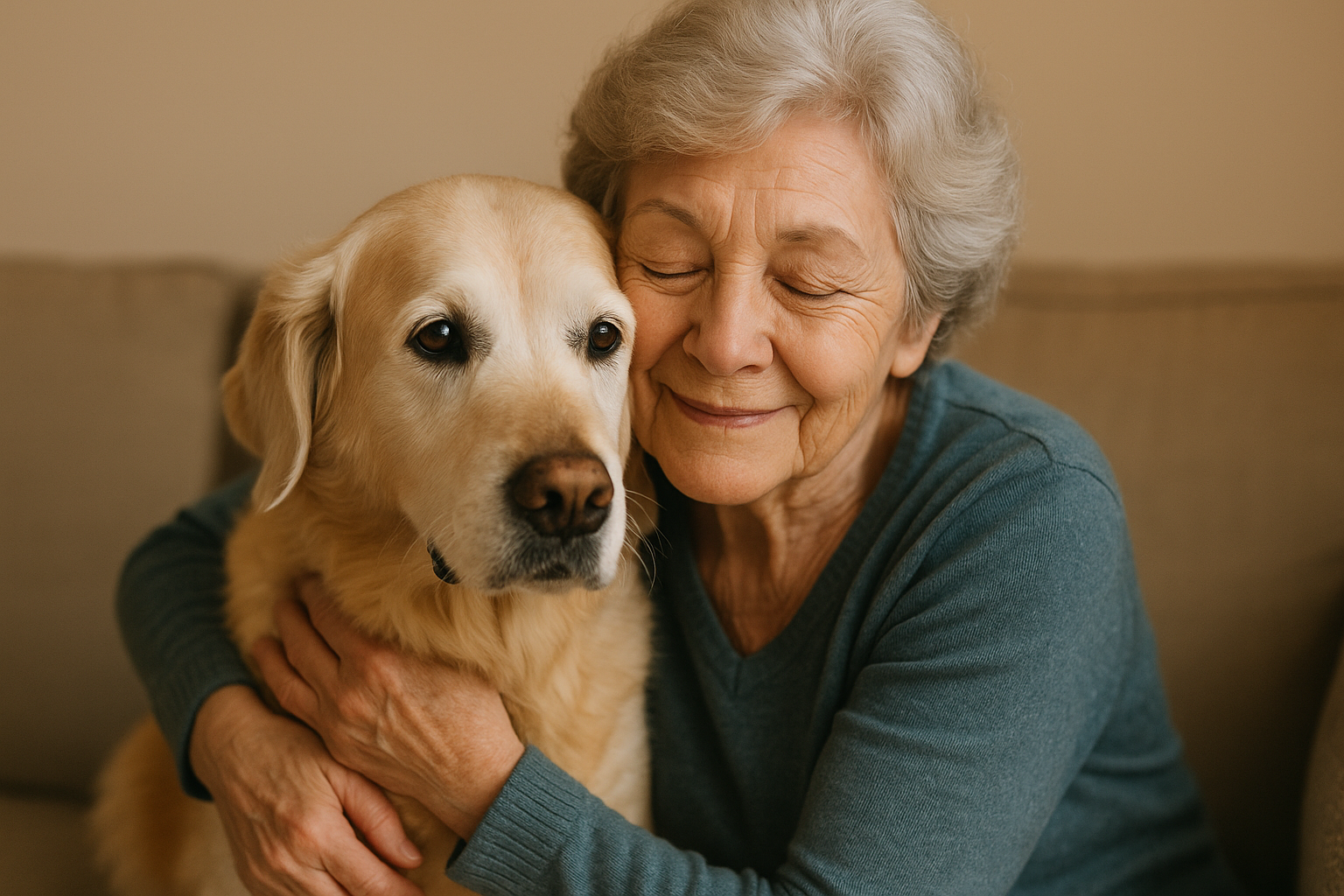
At 74, Margaret lived alone in a one-bedroom apartment after losing her longtime dog. She missed the presence of a dog but knew she couldn’t manage a puppy. Through a senior-to-senior adoption program supported by organizations like the Grey Muzzle Organization, she was introduced to Daisy, a 9-year-old mixed breed with gentle eyes and a love for naps.
Today, Daisy and Margaret share a calm routine—short morning walks, sunny afternoons by the window, and evenings on the couch.
Margaret says,
“I didn’t realize how lonely I was until Daisy filled the quiet. She didn’t add work to my life—she added warmth.”
Frank & Buddy: A New Purpose After Retirement
Frank, 68, had recently retired and found the days stretching a little too long. He wanted a dog again but worried about vet costs and long-term planning. A senior adoption program connected him with Buddy, an 8-year-old Labrador whose foster family described him as “steady and loyal.”
Because the adoption was through a senior-friendly initiative offered by a local Humane Society affiliate of the Humane Society of the United States, Frank received reduced fees and post-adoption support.
Frank now jokes that Buddy gave him his schedule back.
“He reminds me to get outside, but he also reminds me to slow down. We’re a good match.”
Linda & Rosie: Healing Together
After losing her husband, Linda wasn’t sure she wanted another dog—but the quiet felt overwhelming. She learned about senior dog programs through a rescue inspired by models like Muttville Senior Dog Rescue and met Rosie, a 10-year-old Shih Tzu with a heart murmur and a love for laps.
Rosie came with full medical transparency and manageable care needs. What Linda didn’t expect was how quickly Rosie helped her heal.
“We both needed a soft place to land,” Linda says. “Rosie didn’t replace what I lost—but she reminded me I still had love to give.”
What These Stories Have in Common
These seniors didn’t adopt out of impulse. They:
- Chose adult or senior dogs
- Used senior-friendly adoption programs
- Asked questions and planned ahead
- Matched energy levels, not appearances
And every one of them says the same thing in different words:
Adopting an older dog didn’t complicate their life—it completed it.
Invitation to Take the First Step
If you’re an older adult considering a dog, you don’t have to decide today. The first step can be as simple as:
- Visiting a shelter that offers senior-friendly adoptions
- Talking with a foster coordinator
- Reading profiles of calm, older dogs
Sometimes, the right dog doesn’t change your life overnight.
Sometimes, they just sit beside you—and that turns out to be everything.
A New Beginning—For You and a Dog Who’s Been Waiting
There comes a stage in life when we understand something deeply:
It’s not about doing more—it’s about choosing what truly matters.
For many older adults, the idea of adopting a dog again isn’t about filling time. It’s about filling quiet moments with presence. It’s about shared routines, soft footsteps behind you, and the comfort of knowing you’re not alone at the end of the day.
Senior dogs don’t need perfection. They don’t need endless energy or constant entertainment. What they need is exactly what many older adults offer best—patience, steadiness, and a calm, loving home.
And in return, they give companionship without chaos. Loyalty without demands. Love without conditions.
Choosing to adopt an older dog isn’t about looking backward—it’s about opening your heart to what’s still possible.
Next Steps for Seniors Interested in Adopting an Older Dog
If this idea speaks to you, here are a few gentle, no-pressure ways to begin:
- Learn at Your Own Pace
Visit the websites of senior-friendly adoption programs and read dog profiles. There’s no obligation—just information. - Talk to a Foster or Adoption Counselor
Ask honest questions about energy level, health needs, and daily care. Their goal is a good match, not a rushed decision. - Visit a Shelter or Foster Home
Sometimes the right connection happens quietly—no fanfare, no rush. Just a feeling that this dog fits your life. - Plan for Peace of Mind
Ask about medical histories, support services, and backup plans. Knowing these details can make the decision feel safe and grounded. - Trust Your Instincts
When the match is right, it usually feels calm—not overwhelming. That’s a good sign.
Invitation to You
If you’re an older adult with room in your heart—and you’ve been wondering if now is the right time—this may be your moment to explore, not commit.
Take the first step today:
Learn more about senior-friendly dog adoption programs, read real stories, and allow yourself to imagine life with a calm, grateful companion by your side.
At Dawg Solutions, we believe it’s never too late for love—and some of the most meaningful bonds begin later than expected.
A dog may be waiting for you.
And you may be exactly who they’ve been waiting for.
Thank you for reading ” Senior-Friendly Dog Adoption Programs,”
Aussie n Jeff
Affiliate Disclosure
Amazon + Wealthy Affiliate + Friends
Aussie n Jeffs Promise To You
You will never find any affiliate links in any of my step-by-step guides on any of my websites, I feel that my guides are to educate you, not push products & services at you.
Affiliate Disclosure: Some of the links on this website may be affiliate links. This means that if you click a link and make a purchase, I may earn a small commission at no extra cost to you. These commissions help support 65 Plus Life, Boomer Biz HQ, and Dawg Solutions. so I can continue creating free resources for older adults.
Amazon Disclosure: As an Amazon Associate, I earn from qualifying purchases. Any Amazon links used throughout this website may earn a commission when you purchase through them.
Wealthy Affiliate Disclosure: I am also a proud affiliate of Wealthy Affiliate. If you choose to join their platform through my referral link, I may earn a commission. I only recommend Wealthy Affiliate because it has personally helped me build websites and create income online, and I believe it can help other older adults learn these skills too.
Thank you for supporting my work — it truly means a lot
Aussie n Jeff
- How Technology Aids Special Needs DogsHow technology aids special need dogs lives to become better. What you are going to learn is from my experience with my own dog, right around the time his 7th birthday he began to develop special needs. Read Aussie and my true story with technology products that improved our lives. Affiliate Disclosure: Some of the … Read more
- Learn How Ai Helps Dogs With Disabilities At HomeLearn how ai helps dogs with disabilities at home. Making life easier for dogs with disabilities has totally changed for the better, thanks to AI. Dogs dealing with sight problems, hearing loss, or even mobility issues can now enjoy their home life a lot more comfortably. AI-driven products and smart gadgets are making a real … Read more
- Understanding AI In Pet Training For New Dog OwnersUnderstanding AI in pet training for new dog owners is an educational article. AI is growing dramatically with so many awesome tools in every part of our lives, and pet training is becoming easier for new dog owners then other before. Affiliate Disclosure Amazon + Friends Affiliate Disclosure: Some of the links on this website … Read more
- 10 Best Dog Products For Budget Owners On Fixed Incomes10 best dog products for budget owners on fixed-incomes is to save you time and money. Many dog owners in their senior years are living on fixed-incomes with dogs, so this article is for those of you who might be in this situation. Affiliate Disclosure Amazon + Friends Affiliate Disclosure: Some of the links on … Read more
- Top Nutritional Needs Of Picky Small Dog BreedsTop nutritional needs of picky small dog breeds was inspired by my mothers yorkie terrier, she thinks she is too good to eat dog food. No matter if its kibbles or canned, she will go hungry before giving in. My mother worries that she is not getting the nutritional needs that she needs, so that … Read more
This article really highlights something many people overlook: companionship doesn’t have to come with chaos or high energy. Senior-friendly adoption programs are such a beautiful solution because they focus on fit-matching calm, mature dogs with seniors who want a peaceful, steady bond.
The point about puppies being physically demanding is so true. It’s not just about the energy; there’s the risk of falls, the constant potty training, and the stress of keeping up with their needs. Adult and senior dogs offer a different kind of love, one that’s more relaxed and deeply loyal.
I also appreciate the focus on support and safety nets like reduced fees, vet support, and backup plans. Those practical details make a big difference in making adoption realistic for seniors.
For anyone considering this: I’d love to hear what you think matters most when choosing a dog later in life: temperament, size, health needs, or simply that “calm connection”?
Thank you for sharing Monica
Aussie my Australian Shepherd just turned 7 years old December 23rd. Even though he isn’t as active, he still is a very good companion. Actually at my age, Ausse at his age is much easier for me to take care of then a younger dog.
Jeff