How to keep aging dogs active to live happy and longer without pushing them to far. There is a delicate balance of rest and activity for older dogs, that is what you will learn about in my educational article written especially for dog owners with senior dogs.
Affiliate Disclosure
Amazon + Wealthy Affiliate + Friends
Jeffs Promise To You
You will never find any affiliate links in any of my step-by-step guides on any of my websites, I feel that my guides are to educate you, not push products & services at you.
Affiliate Disclosure: Some of the links on this website may be affiliate links. This means that if you click a link and make a purchase, I may earn a small commission at no extra cost to you. These commissions help support 65 Plus Life, Boomer Biz HQ, and Dawg Solutions. so I can continue creating free resources for older adults.
Amazon Disclosure: As an Amazon Associate, I earn from qualifying purchases. Any Amazon links used throughout this website may earn a commission when you purchase through them.
Wealthy Affiliate Disclosure: I am also a proud affiliate of Wealthy Affiliate. If you choose to join their platform through my referral link, I may earn a commission. I only recommend Wealthy Affiliate because it has personally helped me build websites and create income online, and I believe it can help other older adults learn these skills too.
Thank you for supporting my work — it truly means a lot.
Jeff
How To Keep Aging Dogs Acitive To Live Happy and Longer
As our dogs grow older, their needs change—but their desire to enjoy life never goes away. Keeping an aging dog active isn’t about pushing them harder or longer; it’s about finding the right balance between movement and rest.
Finding The Right Routine
When activity is focusing to a senior dog’s body and energy level, it helps maintain muscle strength, supports joint health, keeps weight in check, and boosts mental well-being. At the same time, proper rest allows their aging bodies to recover, reducing stiffness and preventing injury. With the right balance, older dogs can stay comfortable, confident, and engaged—continuing to enjoy their days right alongside us.
Caring For An Aging Dog For Concerned Dog Owners
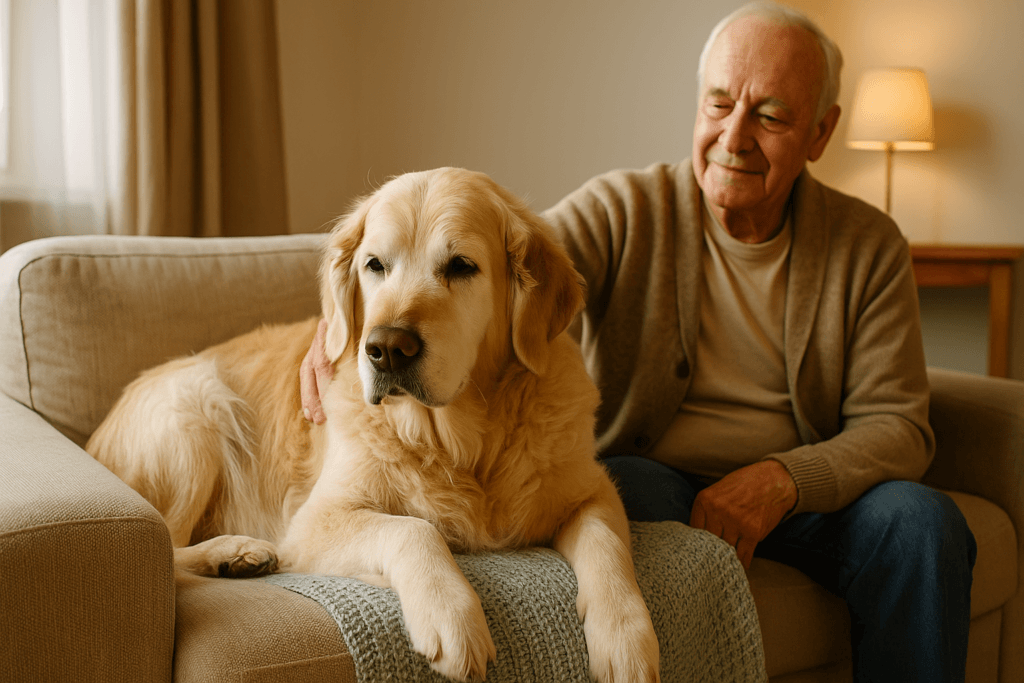
For many dog owners, the hardest part of caring for an aging dog isn’t knowing that they need exercise—it’s worrying about doing something wrong. There’s often a quiet fear of pushing too much and causing pain, injury, or setbacks, especially when joints are stiff, mobility slows, or energy fades faster than it used to.
At the same time, doing too little can feel just as risky, leading to concerns about weakness, weight gain, or a loss of independence.
These worries are completely natural. Loving an older dog means constantly weighing what’s best for them, and the fear of causing harm can make even simple activities feel overwhelming. The good news is that safe activity doesn’t mean intense exercise or long routines.
Jeffs Tip
With gentle movement, close observation, and respect for your dog’s limits, you can help them stay active without sacrificing comfort. Learning to listen to your dog’s signals—and adjusting as they change—is the key to caring for them with confidence instead of fear.
Disclaimer
The information shared in this article is for educational and informational purposes only and is not intended to replace professional veterinary advice, diagnosis, or treatment. Every dog ages differently, and what works well for one senior dog may not be appropriate for another. Always consult your veterinarian before starting, changing, or increasing your dog’s activity level—especially if your dog has existing health conditions, mobility issues, or pain. By using this information, you agree to take full responsibility for your dog’s care and well-being.
Activities Aging Dogs Should Avoid
As dogs age, their joints, muscles, and balance don’t respond the way they once did. Activities that were once harmless can now increase pain, inflammation, or the risk of injury. Avoiding certain movements doesn’t mean limiting your dog’s joy—it means protecting their mobility and comfort for the long run.
High-impact activities
Running long distances, jumping off furniture, or chasing balls at full speed can place unnecessary stress on aging joints. These sudden bursts of movement may aggravate arthritis or cause muscle strains that take longer to heal.
Repetitive jumping
Leaping into cars, onto beds, or up stairs, can strain hips, knees, and the spine. When possible, use ramps or steps to reduce joint pressure and make everyday movement easier.
Rough play
With younger dogs, including wrestling or fast-paced chasing games, can quickly overwhelm an older dog’s balance and reaction time, increasing the risk of falls or injury.
Slippery surfaces
Tile or hardwood floors, may not seem like an activity, but they can seriously impact mobility. Constant slipping can worsen joint pain and lead to anxiety about movement. Non-slip rugs or mats can make a big difference.
Consider This
By recognizing and avoiding these high-risk activities, you’re giving your aging dog the support they need to stay active safely. The goal isn’t to stop movement—it’s to choose movement that protects their body while still enriching their life.
Signs an Activity Is Causing Discomfort
Aging dogs don’t always cry out when something hurts. More often, they communicate discomfort through subtle changes in behavior or movement. Learning to recognize these signs can help you adjust activities before pain or injury occurs.
Watch for limping, stiffness, or slower movement, especially after exercise or when getting up from rest. Hesitation before walking, climbing steps, or engaging in play may signal joint discomfort or fatigue. Some dogs may show behavioral changes, such as irritability, withdrawal, or reluctance to participate in activities they once enjoyed. Excessive panting, lagging behind on walks, or stopping frequently can also indicate that an activity has become too demanding.
If you notice any of these signs, it’s a signal—not a failure. Your dog is simply telling you they need a gentler approach.
How to Modify Favorite Activities Instead of Eliminating Them
Most senior dogs don’t want to give up their favorite activities—they just need them adjusted. Small changes can make a big difference.
Walking
If your dog loves walks, shorten the distance but keep the routine. Slower-paced, more frequent walks are often better than one long outing. Allow plenty of sniffing breaks, which provide mental stimulation without physical strain.
Favorite Playtime Fun
For dogs who enjoy fetch, swap long throws for short, controlled tosses or roll the ball along the ground to reduce impact. Playing on grass instead of hard surfaces can also ease joint stress.
Jumping Activites
If stairs or jumping were once part of daily life, use ramps or pet steps to protect hips and knees while still allowing independence. For playful dogs, replace roughhousing with gentle tug games or puzzle toys that engage the mind without overworking the body.
Aging Dog Goal
The goal is not to take away what your dog loves—but to reshape it so they can continue participating comfortably and confidently. With thoughtful modifications, aging dogs can stay active, happy, and deeply connected to the routines that make them feel like themselves.
Finding the Right Balance of Safe Activity and Proper Rest for Aging Dogs
1) Start with your dog’s “today,” not their “used to”
Senior dogs can change week to week. Before you plan activity, take a quick baseline:
- How easily do they get up?
- Are they stiff in the morning or after naps?
- Do they limp or hesitate on certain movements?
- Do they seem eager to engage—or more withdrawn?
This gives you a realistic starting point and helps you avoid overdoing it.
2) Choose one safe activity to begin with
Pick a low-impact activity your dog already enjoys, such as:
- A short, slow walk
- Gentle backyard sniff-and-stroll time
- Light play (short tosses/ball rolls)
- Simple indoor enrichment (snuffle mat, puzzle toy)
Start with one main activity so you can clearly see how your dog responds.
3) Use the “warm-up, main activity, cool-down” formula
Older bodies need a little extra preparation and recovery.
- Warm-up (2–5 minutes): slow walking, easy pacing around the yard/house
- Main activity (5–15 minutes to start): keep it gentle and controlled
- Cool-down (2–5 minutes): slower movement, then rest
This structure reduces stiffness and helps prevent strain.
4) Set an “easy first week” schedule
For week one, aim for a simple rhythm:
- Short activity sessions (5–15 minutes)
- 1–3 times per day, depending on your dog’s energy
- Keep intensity low (no sprinting, jumping, or rough play)
Think: more often, less intense.
5) Plan rest on purpose
Rest isn’t “doing nothing”—it’s how senior dogs recover and stay comfortable.
Build in:
- A quiet rest period after activity (often 30–90 minutes)
- A comfortable recovery space (soft bedding, warm spot, low-slip area)
- Water access and calm surroundings
If your dog is still “amped up” after activity, the activity may have been too intense.
6) Watch for “later” signs, not just “during” signs
Some dogs look fine while moving but pay for it later. After activity, watch for:
- Stiffness or limping later that day or the next morning
- More sleeping than usual (beyond normal rest)
- Reluctance to walk, climb, or play the next day
- Excessive panting or soreness when touched
- Mood changes (cranky, withdrawn, less social)
If any of these show up, your dog’s body is saying: dial it back.
7) Adjust using the 3-part rule: Duration, Frequency, Intensity
When you need to tweak the plan, adjust one thing at a time.
- Duration: shorten or lengthen the session (most common change)
- Frequency: add or remove a session per day
- Intensity: slow it down, remove hills/stairs, avoid slippery surfaces
A safe guideline is to increase activity gradually and only when your dog is bouncing back comfortably the next day.
8) Keep the favorites—just modify them
Instead of eliminating what they love, make it joint-friendly:
- Fetch: short tosses or rolling the ball instead of long throws
- Walks: shorter, slower walks with sniff breaks
- Playtime: gentle tug, calm games, enrichment toys
- Getting on/off furniture: pet steps/ramps to reduce impact
This keeps your dog happy and confident while protecting mobility.
9) Create a weekly pattern: “good days” and “recovery days”
Not every day needs to be a “movement day.” A helpful weekly rhythm is:
- Active days: gentle walks + enrichment
- Lighter days: shorter strolls + extra rest
- Recovery days (as needed): mostly rest + light indoor enrichment
Recovery days are not setbacks—they’re preventative care.
10) Track what works with a simple note system
You don’t need anything fancy. Just jot down:
- What you did (walk length, play type)
- How your dog looked during it
- How they moved later that day and next morning
Patterns appear fast—and once you see the pattern, balance becomes much easier.
11) When in doubt, choose comfort over goals
Aging-dog activity is about quality of life, not performance.
If you’re unsure, go gentler and shorter. Consistency beats intensity every time.
12) Loop in your veterinarian for a safer plan
Especially if your dog has arthritis, mobility issues, or other health conditions, your vet can help you set safe boundaries and may recommend pain management, supplements, or physical therapy options that make activity more comfortable.
Can Diet Help Aging Dogs? Yes—Here’s How
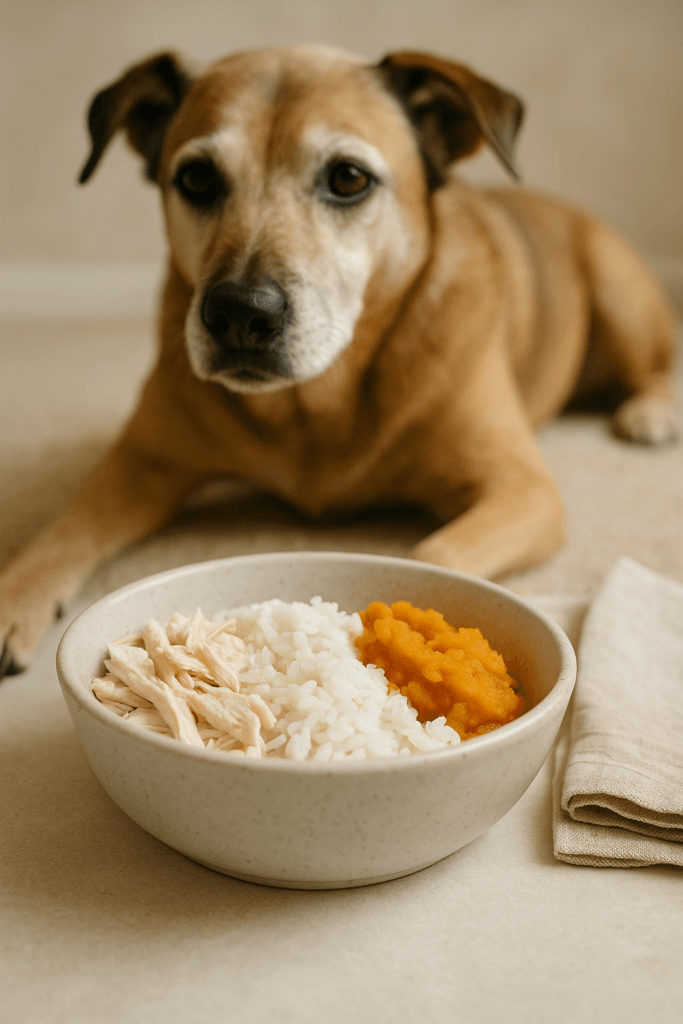
Diet plays a powerful role in how well aging dogs move, recover, and rest. While food can’t reverse aging, the right nutrition can support joint health, maintain muscle, reduce inflammation, and help senior dogs stay active more comfortably.
Maintaining a Healthy Weight Matters
Extra weight puts added stress on aging joints, hips, and knees. Even a few extra pounds can make walking and standing more difficult for senior dogs. A balanced, age-appropriate diet helps manage weight while still providing the nutrients they need for energy and strength.
Example:
A senior dog switched from a high-calorie adult formula to a senior or weight-managed formula may show improved mobility simply because there’s less pressure on their joints.
Supporting Joint Health Through Nutrition
Certain nutrients help support joint comfort and flexibility:
- Glucosamine & Chondroitin support cartilage health
- Omega-3 fatty acids (from fish oil) help reduce inflammation
- MSM or green-lipped mussel may support joint mobility
These nutrients are often included in senior dog foods or can be added through vet-approved supplements.
Example:
An older dog with mild arthritis may tolerate longer, gentler walks after adding omega-3s to their diet, thanks to reduced inflammation and stiffness.
Protein Is Still Important—Just Smarter
Many owners worry that protein is “too much” for senior dogs, but maintaining muscle is essential for mobility and balance. Aging dogs benefit from high-quality, easily digestible protein, not protein restriction—unless your vet advises otherwise.
Example:
A senior dog eating lean animal proteins (like chicken, turkey, or fish) may maintain better leg strength and stamina compared to a dog on a low-protein diet.
Digestive Health Supports Energy and Comfort
Aging dogs often develop sensitive digestion. Foods with prebiotics, probiotics, and fiber help nutrient absorption, which directly impacts energy levels and recovery after activity.
Example:
A dog with improved digestion may show better energy on walks and less discomfort after meals, making daily routines smoother and more predictable.
Hydration Plays a Bigger Role Than You Think
Dehydration can worsen stiffness and fatigue. Senior dogs should always have easy access to fresh water, and some benefit from:
- Wet or fresh food additions
- Bone broth (low-sodium, dog-safe)
- Water added to kibble
Example:
An older dog who struggles with stiffness may move more comfortably when properly hydrated, especially after activity.
Always Make Dietary Changes Gradually
Any food or supplement change should be introduced slowly and approved by your veterinarian, especially for dogs with medical conditions.
Something To Think About
When paired with gentle activity and proper rest, a supportive diet helps aging dogs move better, recover faster, and feel more comfortable day to day. Nutrition isn’t a replacement for care—it’s part of the foundation that keeps senior dogs thriving.
Common Diet Mistakes That Can Make Aging Dogs Feel Worse
When dogs start slowing down, it’s natural to want to fix everything through food. But some well-intended diet choices can actually increase discomfort, weight gain, or mobility issues in senior dogs. Knowing what to avoid is just as important as knowing what to add.
1. Overfeeding “Because They’re Older”
Many owners associate aging with needing extra food or treats for comfort. In reality, senior dogs often need fewer calories, not more. Overfeeding—even slightly—can lead to weight gain that puts added strain on joints and worsens arthritis.
Why it matters:
Extra weight increases joint pressure, making walking, standing, and getting up more painful.
2. Cutting Protein Too Much
A common myth is that senior dogs should eat very low-protein diets. Unless directed by a veterinarian, reducing protein too much can lead to muscle loss, which affects balance, stability, and mobility.
Why it matters:
Strong muscles help support aging joints. Losing muscle can make everyday movement harder and increase fall risk.
3. Adding Supplements Without Guidance
Joint supplements, oils, and “miracle powders” are everywhere. While some can help, giving too many—or combining products—can cause digestive upset or interfere with medications.
Why it matters:
More isn’t better. The wrong dosage or combination can cause stomach issues, lethargy, or even organ stress.
4. Feeding Too Many Treats
Healthy treats still contain calories. Frequent treats, table scraps, or “just a little extra” can quietly sabotage weight management.
Why it matters:
Inconsistent calorie intake makes it harder to control weight, which directly impacts joint comfort.
5. Sudden Diet Changes
Switching foods too quickly can upset digestion, leading to diarrhea, gas, or reduced appetite—none of which help an aging dog feel better.
Why it matters:
Digestive discomfort can reduce energy, hydration, and willingness to move.
6. Ignoring Hydration
Some owners focus heavily on food but overlook water intake. Dehydration can worsen stiffness and fatigue in senior dogs.
Why it matters:
Proper hydration supports joint lubrication, digestion, and recovery after activity.
7. Treating Diet as a “Fix” Instead of Support
Food is an important tool—but it’s not a cure. Relying on diet alone without addressing activity level, rest, and veterinary care can delay needed support.
Why it matters:
Aging dogs do best with a whole-picture approach: nutrition, gentle movement, rest, and medical guidance working together.
Think About This
Helping your aging dog through diet doesn’t require perfection—just awareness. Small, thoughtful choices can prevent common mistakes and support comfort, mobility, and quality of life as your dog grows older.
Jeff Shares

Growing older doesn’t mean your dog’s best days are behind them—it simply means their needs have changed. With thoughtful adjustments, aging dogs can continue to enjoy life, stay connected to their families, and feel comfortable in their bodies despite physical limitations. Small changes often make the biggest difference.
Adjustments is the Key
Adjustments might include shorter, slower walks, more frequent rest breaks, low-impact play, ramps or steps to reduce joint strain, softer bedding for recovery, and activities that stimulate the mind without exhausting the body. Even simple changes like adding non-slip rugs, sticking to familiar routines, or allowing extra time to move at their own pace can restore confidence and comfort.
Nutrition Changes
Nutrition plays an equally important role. While diet can support joint health, weight management, and energy levels, it’s essential not to make major changes on your own. Every aging dog has unique needs, and what helps one may harm another.
Always consult your veterinarian before changing your dog’s food, portions, or supplements. A vet-guided plan ensures your dog gets the right support without unintended side effects.
Most importantly, remember this
Ccaring for an aging dog isn’t about perfection—it’s about compassion, patience, and presence. By listening to your dog, adjusting as they change, and working closely with your veterinarian, you’re giving them something invaluable—a safer, happier, more comfortable life filled with love.
Aussie n Jeff/ Dawg Talk
Affiliate Disclosure
Amazon + Wealthy Affiliate + Friends
Jeffs Promise To You
You will never find any affiliate links in any of my step-by-step guides on any of my websites, I feel that my guides are to educate you, not push products & services at you.
Affiliate Disclosure: Some of the links on this website may be affiliate links. This means that if you click a link and make a purchase, I may earn a small commission at no extra cost to you. These commissions help support 65 Plus Life, Boomer Biz HQ, and Dawg Solutions. so I can continue creating free resources for older adults.
Amazon Disclosure: As an Amazon Associate, I earn from qualifying purchases. Any Amazon links used throughout this website may earn a commission when you purchase through them.
Wealthy Affiliate Disclosure: I am also a proud affiliate of Wealthy Affiliate. If you choose to join their platform through my referral link, I may earn a commission. I only recommend Wealthy Affiliate because it has personally helped me build websites and create income online, and I believe it can help other older adults learn these skills too.
Thank you for supporting my work — it truly means a lot.
Jeff
- Top Nutritional Needs Of Picky Small Dog BreedsTop nutritional needs of picky small dog breeds was inspired by my mothers yorkie terrier, she thinks she is too good to eat dog food. No matter if its kibbles or canned, she will go hungry before giving in. My mother worries that she is not getting the nutritional needs that she needs, so that … Read more
- Why Is Socialization Important For Special Needs DogsWhy is socialization important for special needs dogs might surprise you. Are you a dog owners with a dog with special needs, maybe you have it in your heart to adopt a special needs dog. Socialization is an important part of caring for this special dog, read why in my article written especially for you. … Read more
- What Is The Best Diet For Special Needs DogsWhat is the best diet for special needs dogs. Did you ever wonder if your special needs dog should be on a special diet plan. That is what we are going to cover in this article, so if this is something that interests you this article is for you. Affiliate Disclosure Amazon + Friends Affiliate … Read more
- How To Train Special Needs Dogs EffectivelyHow to train special needs dogs effectively is to help dog owners. Special needs dogs of course need special products from time to time, and then training them how to use them can be a challenge. Affiliate Disclosure Amazon + Friends Affiliate Disclosure: Some of the links on this website may be affiliate links. This … Read more
- What Are The Best Smart Dog Products For Senior DogsWhat are the best smart dog products for senior dogs. Taking care of our older dogs is extremely important to dog owners, we want to make them as comfortable and happy as possible. Smart dog products are able to help us accomplish these goals, together we are going to learn about the better smart dog … Read more
- How To Choose Smart Dog Products Without OverspendingHow to choos smart dog products without overspending your budget. As you might have experienced on your own overspending is not difficult to do today, and we want our dogs to have whatever we can afford that will make their lives more comfortable. Affiliate Disclosure Amazon + Friends Affiliate Disclosure: Some of the links on … Read more
- Popular Toy Dog Breeds For CompanionshipPopular toy dog breeds for companionship especially for older adults. Living alone for seniors can make life extremely lonely, but many seniors have found campionship from adding a toy dog breed into their home. Affiliate Disclosure Amazon + Friends Affiliate Disclosure: Some of the links on this website may be affiliate links. This means that … Read more
- 10 Best Dog Car Seats Shopping Guide10 best dog car seats shopping guide is to help dog owners. Dog car seats might be new to many of you reading this, so I am going to do my best to help you narrow down your best choices to get the most for your hard earned money. Affiliate Disclosure Amazon + Friends Affiliate … Read more
- How To Choose Dog Supplements For Arthritis With ConfidenceHow to choose dog supplements for arthritis with confidence can overwhelm some dog owners, so I am going to guide you step-by-step how to choose the best dog supplements for arthritis. Like people, many older dogs develop arthritis just like we do, so this can be a good addtion to their diet plan. Affiliate Disclosure … Read more
- Halo Collar Review: Is It Worth It For Your Dog’sHalo Collar is an investment for dog owners that you might like to know about, how many of you have a dog who likes to explore every chance that they get. This will provide you with peace of mind the next time they go on an adventure without you, ask yourself is keeping my dog … Read more
This hit home for me right now because I am living it. The “start with your dog’s today, not their used to” idea is exactly what I had to learn. PoohBear, my senior dog, can look fine during a walk, but the next morning, he tells me all about it. He suffers from hip and joint pain, but at his age, he is fortunate to still be here. Shorter walks with more sniff breaks have worked better than trying to hit old distances. Thank you for this post!
Thank you Michel
I wish the best for PoohBear and you with your shorter walks with sniff breaks, Ausisie my dog also has had to make this change on our walks, he just isn’t able to take those long nature trail walks any longer. We both miss our nature trail walks, but we have adusted to our new walking routine.
Jeff