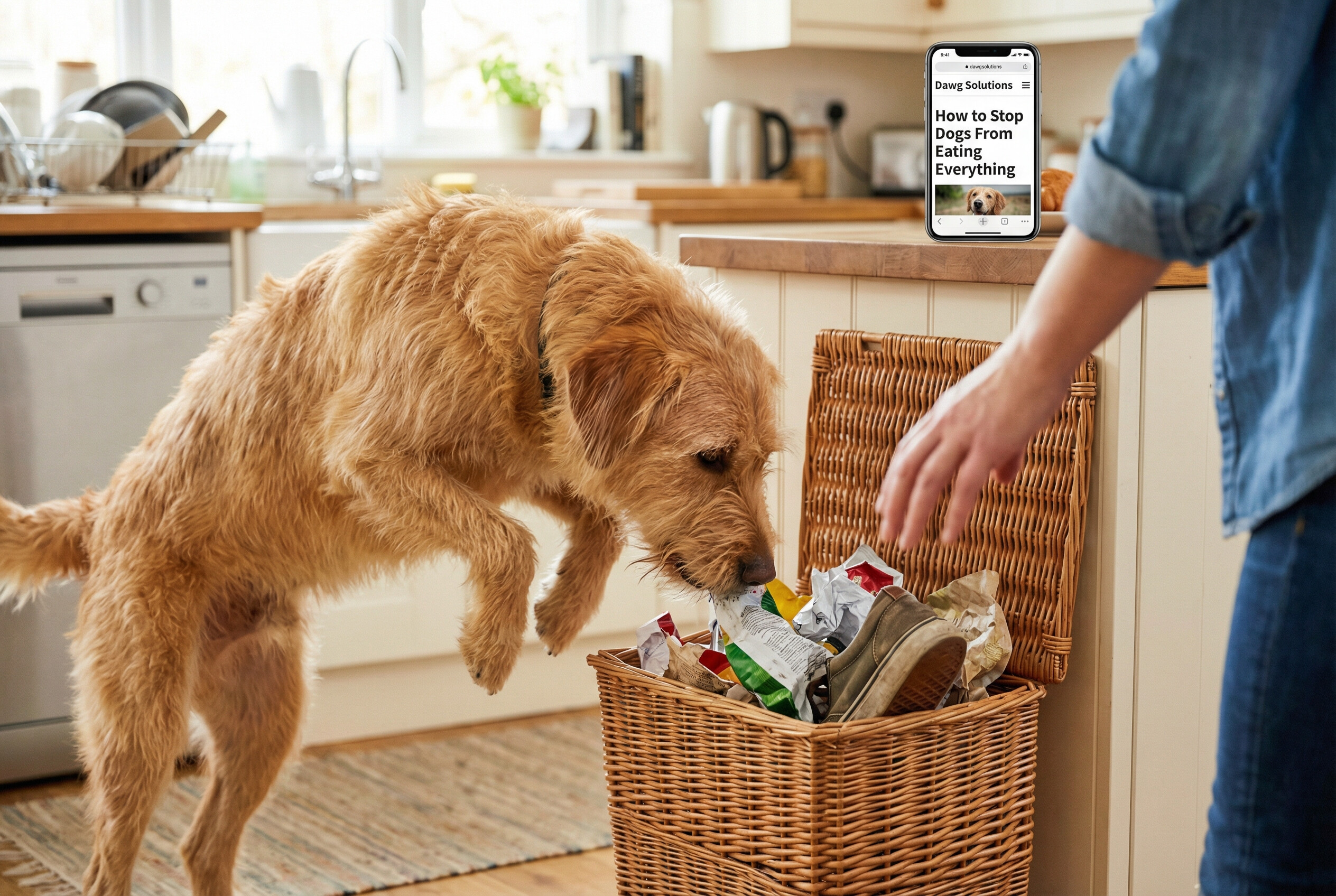
How to stop dogs from eating everything can be a serious problem, Aussie has always tried to eat everything ever since he was a little pup. This has worried me for the past 7 years, now I want to find out for myself and for other what we can do.
Affiliate Disclosure
Amazon + Wealthy Affiliate + Friends
Aussie n Jeffs Promise To You
You will never find any affiliate links in any of my step-by-step guides on any of my websites, I feel that my guides are to educate you, not push products & services at you.
Affiliate Disclosure: Some of the links on this website may be affiliate links. This means that if you click a link and make a purchase, I may earn a small commission at no extra cost to you. These commissions help support 65 Plus Life, Boomer Biz HQ, and Dawg Solutions. so I can continue creating free resources for older adults.
Amazon Disclosure: As an Amazon Associate, I earn from qualifying purchases. Any Amazon links used throughout this website may earn a commission when you purchase through them.
Wealthy Affiliate Disclosure: I am also a proud affiliate of Wealthy Affiliate. If you choose to join their platform through my referral link, I may earn a commission. I only recommend Wealthy Affiliate because it has personally helped me build websites and create income online, and I believe it can help other older adults learn these skills too.
Thank you for supporting my work — it truly means a lot,
Aussie n Jeff
How to Stop Dogs From Eating Everything
You look away for one second—just one—and suddenly your dog is chewing on something. You don’t know what it is yet, but your heart drops anyway. Is it a stick? A bone? A pill? Something toxic? If you live with a dog who eats everything in sight, you know this fear all too well. I’ve been dealing with it since Aussie was a pup, and even now, I still worry that one bad grab could change everything. This isn’t just an annoying habit—it’s a constant, exhausting concern that many dog owners quietly carry every single day.
Jeff Shares

For me, this feels like a very serious problem that could be life-threatening for Aussie. I have talked to his vet about this without any serious concern, but for me this is something important that I need to work on for my own peace of mind.
Why Do Dogs Like Aussie Want to Eat Everything
Even Things That Aren’t Food?
When a dog repeatedly tries to eat rocks, sticks, socks, or random objects off the ground, it’s easy to assume they’re being stubborn or “bad.” In reality, dogs like Aussie aren’t trying to scare us—they’re following instincts, habits, and sometimes unmet needs that go far deeper than food.
Dogs explore the world with their mouths.
From puppyhood, mouthing is how dogs investigate their environment. What feels dangerous to us feels informative to them. Some dogs simply never outgrow this behavior, especially if it was reinforced early on.
Scavenging is hard-wired into many dogs.
Dogs evolved to survive by grabbing opportunities when they appeared. If it’s on the ground, smells interesting, or once tasted good, the brain says eat first, think later. For dogs like Aussie, that instinct can be especially strong.
Boredom and mental understimulation play a big role.
A bored dog looks for stimulation wherever they can find it. Chewing, swallowing, and exploring objects releases feel-good chemicals in the brain—making the behavior self-rewarding.
Anxiety and stress can drive compulsive eating.
Some dogs eat inappropriate items as a way to cope. It can be soothing, distracting, or simply something they can control in moments of stress.
Medical and nutritional factors matter—especially in senior dogs.
Digestive issues, dental pain, nutrient imbalances, or cognitive changes can increase the urge to mouth or ingest objects. If the behavior escalates or suddenly worsens, it’s always worth checking with a veterinarian.
The most important thing to understand is this: dogs who eat everything are not broken, disobedient, or trying to test us. They’re responding to instinct, environment, and sometimes physical or emotional needs. Once we understand why it’s happening, we can stop reacting with fear and start managing the behavior in ways that truly protect them.
What We Can Do to Keep Our Dogs Safe
When you live with a dog who eats everything, the goal isn’t perfection—it’s protection. No single trick will “fix” this behavior overnight, but combining training, management, and awareness can dramatically reduce the risk and give you back some peace of mind.
1. Train the Basics—But Don’t Rely on Training Alone
Teaching cues like “leave it” and “drop it” is important, but they work best when practiced daily in low-distraction environments first. Start indoors, reward generously, and build up slowly. Even then, understand that training is just one layer of safety—not a guarantee.
2. Manage the Environment Like a Safety Net
Management is often what truly keeps dogs like Aussie alive.
- Keep floors, yards, and walk paths as clear as possible
- Use a leash in areas where dangerous items are common
- Supervise outdoor time, even in fenced yards
- Consider basket muzzle training as a preventive tool, not a punishment
Managing your dog’s access to risk is not failure—it’s responsible ownership.
3. Meet Their Mental and Physical Needs
A tired, fulfilled dog is less likely to go searching for trouble.
- Daily walks with purpose
- Puzzle feeders and enrichment toys
- Training games that challenge the brain
- Chewing outlets that are safe and appropriate
Many dogs eat objects simply because they need something to do.
4. Pay Attention to Changes—Especially as Dogs Age
If your dog suddenly starts eating more non-food items or the behavior intensifies, don’t ignore it. Digestive discomfort, anxiety, or cognitive changes can all play a role, particularly in senior dogs. When in doubt, a vet check can rule out underlying issues.
5. Accept That Vigilance Is Part of Loving Some Dogs
This is the hardest truth—and the most freeing one. Some dogs will always require extra watchfulness. Loving them means adapting our homes, routines, and expectations to keep them safe.
You’re not overreacting. You’re not being dramatic. You’re protecting a life that trusts you completely.
What Not to Do When Your Dog Eats Everything
When you’re scared your dog might swallow something dangerous, it’s easy to react out of panic. Unfortunately, some common responses can actually make the behavior worse—or create new risks altogether.
1. Don’t Punish or Yell After the Fact
Scolding a dog for picking up or swallowing something usually backfires. Dogs don’t connect punishment with what they already did—they connect it with you. This can lead to sneaky behavior, faster swallowing, or increased anxiety, all of which raise the danger.
2. Don’t Assume They’ll “Grow Out of It”
While some puppies do outgrow mouthing behaviors, many dogs—like Aussie—don’t. Hoping the problem will disappear on its own can delay important training and management that could prevent a serious emergency.
3. Don’t Rely on Training Alone in High-Risk Situations
Even well-trained dogs can ignore cues when something smells irresistible. Busy sidewalks, parks, or unfamiliar environments require extra supervision and management. Training is a tool—not a shield.
4. Don’t Chase or Pry Objects Out of Their Mouth
Chasing a dog who has grabbed something can turn it into a game, causing them to swallow faster. Forcing an object out of their mouth can also risk bites or push the item farther back. Instead, use trained cues or calmly trade for something high-value when possible.
5. Don’t Ignore Sudden Changes in Behavior
If your dog starts eating non-food items more frequently or seems obsessed with it, don’t brush it off as “just being weird.” Sudden changes can signal stress, pain, digestive issues, or age-related changes that deserve attention.
6. Don’t Shame Yourself for Being Careful
This one matters. Watching your dog closely, restricting access to certain areas, or using tools like leashes and muzzles is not overprotective—it’s preventative care. Loving a dog who eats everything means staying one step ahead, and that takes effort and heart.
How Anxiety Can Drive Dogs to Eat Things They Shouldn’t
For dogs like Aussie, eating non-food items isn’t always about curiosity or hunger—it can be about coping. High-anxiety dogs often look for ways to self-soothe, and mouthing, chewing, and swallowing can temporarily calm an overwhelmed nervous system.
Anxious dogs seek relief wherever they can find it.
Chewing and swallowing release calming chemicals in the brain, much like stress-eating does for humans. For a dog living in a constant state of alertness, grabbing something—anything—can bring a brief sense of control and comfort.
Anxiety can make dogs act impulsively.
When a dog is already overstimulated or stressed, their ability to respond to training cues drops. This is why anxious dogs often ignore “leave it” commands in real-world situations—they’re not being defiant, they’re overloaded.
Routine disruptions can make the behavior worse.
Changes in environment, schedule, noise levels, or household dynamics can increase anxiety and, in turn, increase scavenging or inappropriate eating. Some dogs show this more intensely as they age.
Anxiety-related eating can look compulsive.
In some dogs, the behavior becomes repetitive and automatic. They may grab items quickly, swallow without chewing, or fixate on certain textures or objects. This isn’t misbehavior—it’s a stress response.
Senior dogs may experience rising anxiety.
Cognitive changes, reduced vision or hearing, and physical discomfort can heighten anxiety in older dogs. A dog who has always been anxious may become even more vigilant and reactive, increasing risky behaviors like eating foreign objects.
Understanding the anxiety connection changes how we respond. Instead of asking, “Why won’t my dog stop?” we begin asking, “What does my dog need to feel safer?” That shift is often the key to reducing dangerous habits and protecting dogs like Aussie.
Other Reasons Dogs May Eat Non-Food Items
While anxiety plays a major role for many dogs, it’s not the only factor. Dogs may eat things that aren’t food for a variety of physical, emotional, and behavioral reasons—and often, it’s a combination rather than a single cause.
Early food insecurity or competition
Dogs who had to compete for food as puppies, were rescued from neglect, or experienced inconsistent feeding early in life may develop a “grab it while you can” mindset. Even years later, this can show up as scavenging or swallowing items quickly.
Boredom and lack of stimulation
Dogs need both physical and mental outlets. Without them, some dogs invent their own entertainment—chewing, shredding, or swallowing objects simply because it gives them something to do.
Teething and oral discomfort
Puppies often chew and ingest objects to relieve teething pain. In adult and senior dogs, dental pain or gum discomfort can also trigger unusual chewing or mouthing behaviors.
Digestive issues or nausea
Dogs sometimes eat grass, dirt, fabric, or other materials when their stomach feels off. While occasional grass-eating is common, frequent or obsessive ingestion of non-food items deserves attention.
Nutritional imbalances
Although less common with quality commercial diets, deficiencies or absorption issues can sometimes drive dogs to seek out unusual textures or substances.
Learned behavior
If a dog once found something that smelled good, tasted interesting, or got a strong reaction from their owner, the behavior can become reinforced—even if the item itself isn’t edible.
Are Certain Dog Breeds More Prone to Eating Everything?
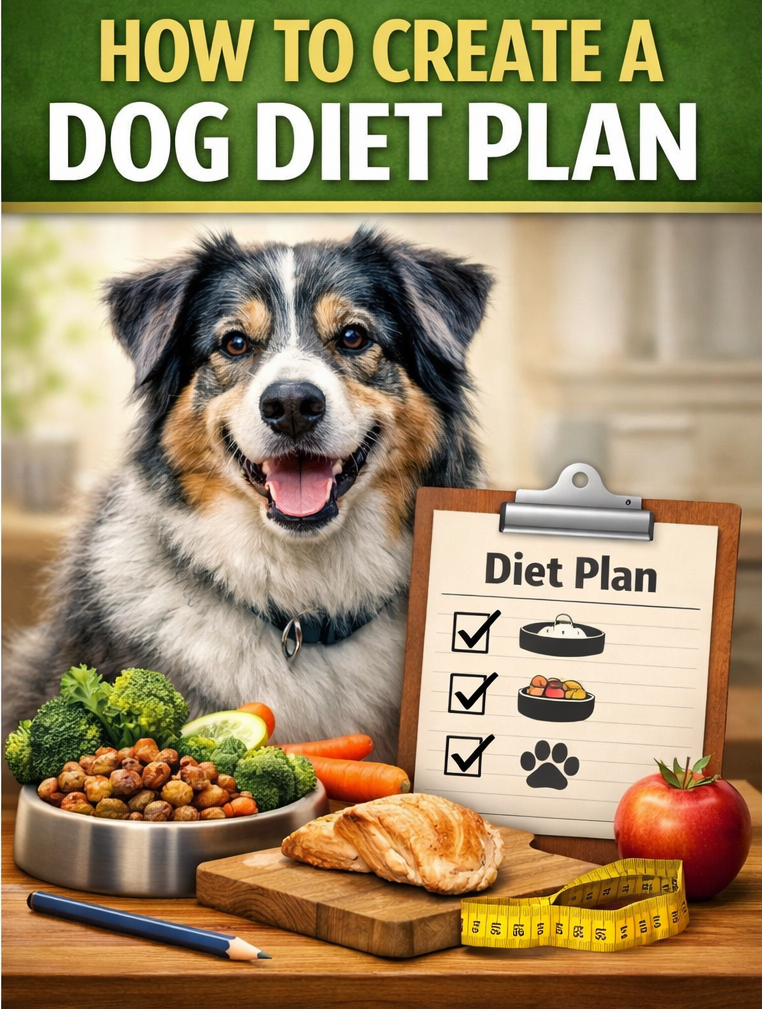
Yes—some breeds are statistically more likely to struggle with this behavior, largely due to instinct, intelligence, and drive, not stubbornness.
Retrievers (Labradors, Goldens)
Notorious for eating anything. These dogs are food-motivated, mouth-oriented, and bred to carry objects gently—sometimes right into their stomachs.
Terriers
High prey drive and intense focus can lead terriers to grab, chew, and ingest objects quickly, especially outdoors.
Hounds
Driven by scent, hounds may eat objects that smell interesting, even if they aren’t food.
Working and herding breeds
Highly intelligent dogs can become destructive or compulsive when under-stimulated. If their minds aren’t engaged, they may seek stimulation through chewing or swallowing objects.
Dogs with strong anxiety traits (across all breeds)
Regardless of breed, dogs with nervous temperaments, heightened sensitivity, or reactivity are more likely to develop compulsive eating behaviors.
It’s important to remember that breed tendencies explain risk—not destiny. Any dog, mixed or purebred, can struggle with eating non-food items depending on their history, environment, and emotional well-being.
What to Do When Vets Don’t Take This Problem Seriously
One of the hardest parts of living with a dog who eats everything is feeling dismissed when you ask for help. Many dog parents are told, “Some dogs just do that,” or “He’ll probably be fine.” When you’re lying awake worried about a blockage, poisoning, or emergency surgery, that kind of response feels terrifying—and isolating.
If you’re not getting answers or support, you still have options.
1. Advocate Clearly and Specifically
Instead of saying, “My dog eats everything,” describe the risk and the pattern:
- What items your dog tries to eat
- How often it happens
- Whether it’s worsening with age
- Any anxiety, vomiting, or behavior changes
Concrete examples help vets understand this is a safety issue, not a quirky habit.
2. Ask Direct Questions
It’s okay—and necessary—to ask things like:
- “Could this be anxiety-related or compulsive behavior?”
- “Are there medical causes we should rule out?”
- “At what point does this become dangerous?”
If answers stay vague, that’s a sign to keep pushing or seek another opinion.
3. Request a Full Medical Rule-Out
Especially for senior dogs, it’s reasonable to ask about:
- Digestive health
- Dental pain
- Nutrient absorption
- Cognitive or neurological changes
Even if results are normal, ruling things out gives peace of mind and direction.
4. Consider a Second Opinion—Without Guilt
Seeking another veterinarian doesn’t mean you’re disloyal or dramatic. Some vets are excellent clinicians but not behavior-focused. Others may not fully appreciate how anxiety-driven behaviors escalate over time. A fresh perspective can make all the difference.
5. Look Beyond the Exam Room
Veterinarians are essential—but they aren’t the only experts.
- Certified dog behaviorists
- Fear-free trainers
- Canine anxiety specialists
These professionals often take compulsive eating far more seriously and can offer practical, customized strategies.
6. Trust Your Instincts
You know your dog better than anyone. If your gut says something isn’t right, listen to it. Many serious issues are caught not because a professional insisted—but because an owner refused to ignore their concern.
You’re not asking for perfection. You’re asking for guidance, prevention, and safety. That’s not unreasonable—it’s responsible love.
You’re Not Alone—and We’re Still Searching for Answers
If your dog eats everything, you’re probably living with a level of worry most people don’t see. The constant scanning of the ground, the quick intake of breath, the what if I miss it this time? fear—it’s exhausting. And when your dog is getting older, that fear can feel even heavier.
I know, because I live it with Aussie.
The truth is, some dogs will always need extra protection, extra awareness, and extra patience. That doesn’t mean you’ve failed them. It means you love them enough to adapt. It means you’re paying attention. And it means you’re doing everything you can with the information you have.
At Dawg Solutions
Aussie n I are committed to continuing the search for better answers—especially for senior dogs and the people who love them fiercely. We’re listening to your stories, asking hard questions, and exploring safer, kinder ways to help aging dogs live longer, more comfortable lives.
You’re not overreacting. You’re not alone. And you don’t have to navigate this journey by yourself.
We’re in this with you—every worried glance, every small win, and every step forward.
Thank you for reading ” How to Stop Dogs From Eating Everything,”
Aussie n Jeff
Affiliate Disclosure
Amazon + Wealthy Affiliate + Friends
Aussie n Jeffs Promise To You
You will never find any affiliate links in any of my step-by-step guides on any of my websites, I feel that my guides are to educate you, not push products & services at you.
Affiliate Disclosure: Some of the links on this website may be affiliate links. This means that if you click a link and make a purchase, I may earn a small commission at no extra cost to you. These commissions help support 65 Plus Life, Boomer Biz HQ, and Dawg Solutions. so I can continue creating free resources for older adults.
Amazon Disclosure: As an Amazon Associate, I earn from qualifying purchases. Any Amazon links used throughout this website may earn a commission when you purchase through them.
Wealthy Affiliate Disclosure: I am also a proud affiliate of Wealthy Affiliate. If you choose to join their platform through my referral link, I may earn a commission. I only recommend Wealthy Affiliate because it has personally helped me build websites and create income online, and I believe it can help other older adults learn these skills too.
Thank you for supporting my work — it truly means a lot,
Aussie n Jeff
- Trusted Senior Dog Arthritis Comfort SolutionsTrusted senior dog arthritis comfort solutions support, this is something many owners will want to know for when their dog becomes older in age. Just like most of us, our dogs more likely will experience arthritis. We know how uncomfortable it makes us feel, so we will want to do everything within our power to … Read more
- Do Older Dogs Need Less Protein For Weight ManagementDo older dogs need less protein for weight management might be on your mind. We are going to address that question with answers on Dawg Solutions for you. So if you are interested in managing the weight of your older dog, you will want to read what I have found out for you. Affiliate Disclosure … Read more
- The Best 5 Signs My Senior Dog Is In PainThe best 5 signs my senior dog is in pain can be difficult for some dog owners, we are going to educate ourselves on how to watch for the signs that our older dog might be in pain. From one dog owner to another, this can be very important in caring for an aging dog. … Read more
- Simple Dog Weight Loss Tips For Owners SuccessSimple dog weight loss tips for owners success concerned about their older dogs weight. We all seem to gain weight as we become older in age, and our senior dogs are often no different than we are. Managing their weight is as important for them as it is for us, so weight loss tips for … Read more
- Top Health Concerns For Older Dogs RevealedTop health concerns for older dogs for dog owers. As our dogs become older in age we need to beaware of what health issues they are going to be experiencing, and by knowing this ahead of time we can be prepared to make the changes we need to. Affiliate Disclosure Amazon + Friends Affiliate Disclosure: … Read more
I read this post while literally picking up soggy bits of a grocery receipt. To the outside world, it looks like my dog is just being naughty, but as this blog points out, it’s often about boredom, curiosity, or that dreaded “pica” instinct.
It’s actually a relief to read that eating non-food items (like my missing notebook pages) can be a sign of a nutritional gap or just a high prey drive. It helps me move from being “annoyed” to being “proactive” about his health.
Hello Leah,
Many times we think our dogs are misbehaving when that is not actually the case. I am happy that my article has provided you some understanding why your dog might have eating your notebook pages.
Jeff