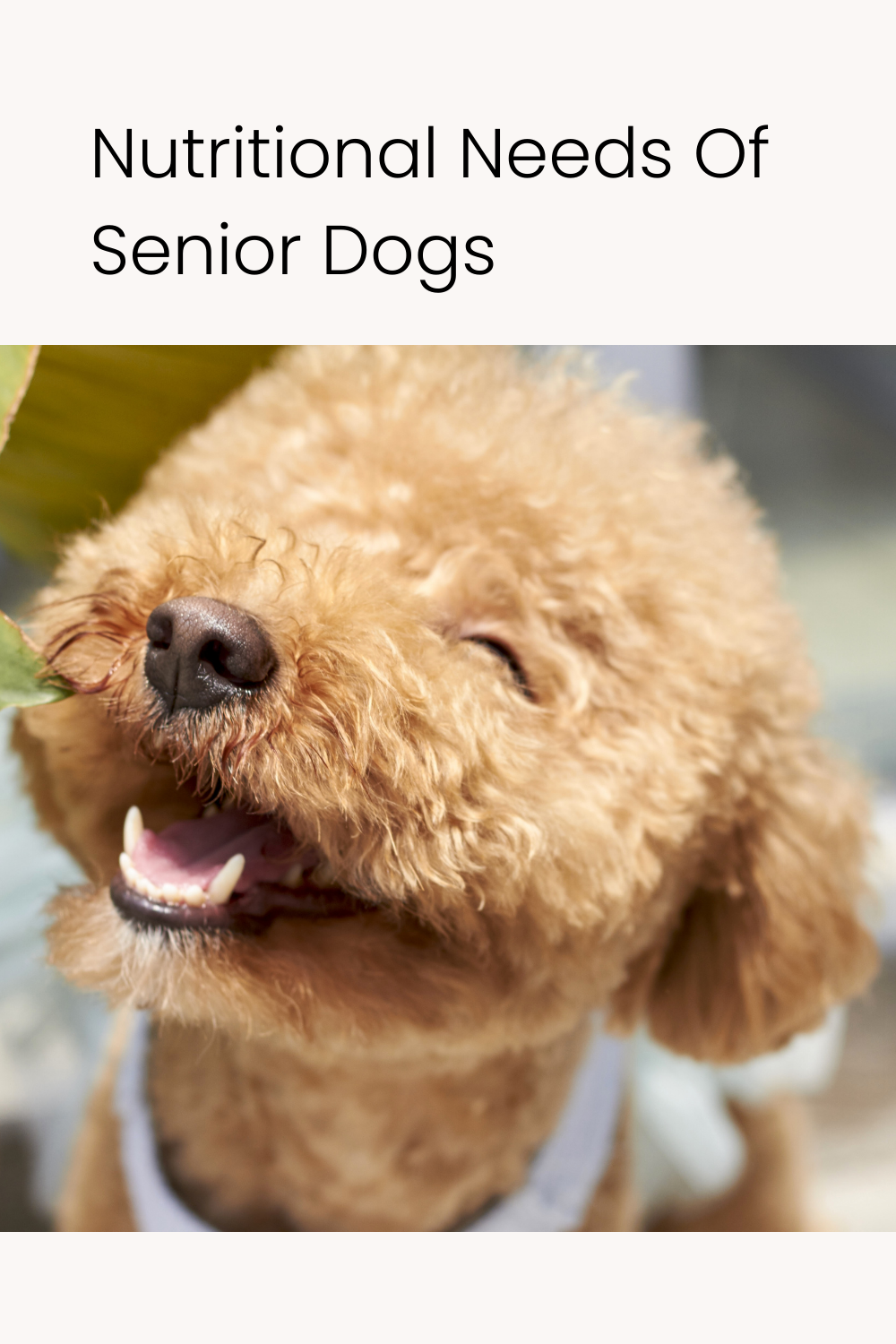
Nutritional needs of senior dogs is an important part of keeping them healthy. Many of our older dogs like us gain extra weight, but cutting back their food often can also cut back the nutrients that they need. We are going to discuss how to accomplish managing your dogs weight, but at the same time be sure they are getting the nutrition they need.
Affiliate Disclosure
Amazon + Friends
Affiliate Disclosure: Some of the links on this website may be affiliate links. This means that if you click a link and make a purchase, I may earn a small commission at no extra cost to you. These commissions help support 65 Plus Life and Boomer Biz HQ, and Dawg Solutions. so I can continue creating free resources for older adults.
Amazon Disclosure: As an Amazon Associate, I earn from qualifying purchases. Any Amazon links used throughout this website may earn a commission when you purchase through them.
Thank you for supporting my work — it truly means a lot.
Jeff
Nutritional Needs of Senior Dogs
How Managing Aussie’s Weight Became My Mission
It Started With Aussie
Aussie has always been a good eater.
But as he’s gotten older, I started noticing the changes.
A little more weight around the middle.
A little less bounce in his step.
A little more stiffness getting up from the floor.
What really hit me was this:
He wasn’t overeating.
He wasn’t being “spoiled.”
He was aging.
And his nutritional needs had changed — but I hadn’t changed with him yet.
That’s when I realized something important:
Managing a senior dog’s weight isn’t about feeding less.
It’s about feeding smarter.
And that’s now my mission — to help senior dog owners manage weight without depriving their dogs of the nutrition they actually need.
Why Weight Gain Happens in Senior Dogs
As dogs age, several things shift:
- Slower metabolism
- Reduced activity levels
- Muscle loss
- Hormonal changes
- Joint discomfort limiting movement
The tricky part?
Their appetite often stays the same.
So the same food and same portions that worked at age 5 can quietly lead to weight gain at age 9 or 10.
And extra weight on a senior dog isn’t just cosmetic — it increases strain on:
- Joints
- Hips
- Knees
- Heart
- Internal organs
For a dog already dealing with mobility changes, even 3–5 extra pounds can make a real difference.
The Big Mistake Cutting Food Too Much
When Aussie started gaining weight, my first instinct was simple:
“Just feed him less.”
But here’s what I learned:
Senior dogs still need:
- High-quality protein (to preserve muscle mass)
- Healthy fats (for brain and coat health)
- Fiber (for digestion)
- Essential vitamins and minerals
- Joint-support nutrients like glucosamine and omega-3s
If we just cut calories without adjusting nutrient density, we risk:
- Muscle loss
- Nutrient deficiencies
- Lower energy
- Weakened immune support
That’s not weight management — that’s undernourishment.
And senior dogs can’t afford that.
From Less Food” to “Better Nutrition
My approach with Aussie changed to this:
Instead of feeding less food…
I focused on:
✔ Higher protein, controlled calorie formulas
✔ Senior-specific dog food
✔ Measured portions (no guessing)
✔ Low-calorie, nutrient-rich treats
✔ Joint-support supplementation
✔ Gentle daily movement
The goal isn’t a skinny dog.
The goal is a strong, mobile, comfortable senior dog.
My Mission with Dawg Solutions
Aussie is the reason Dawg Solutions exists.
I don’t want senior dog owners to feel confused, guilty, or overwhelmed like I did at first.
You shouldn’t have to choose between:
- Controlling weight
- Or meeting your dog’s nutritional needs
You can do both.
And that’s what this blog will focus on:
- Proper calorie management for senior dogs
- Protein needs for aging muscles
- Best foods for overweight senior dogs
- Safe weight-loss strategies
- Treat swaps that don’t sabotage progress
- Supplements that actually help
Because our senior dogs don’t need less care.
They need smarter care.
Proper Nutrition & Weight Management for Senior Dogs
Simple Dog Weight Loss Tips For Owners Success
As dogs age, their nutritional needs change in ways many owners don’t expect. Slower metabolism, reduced activity, and muscle loss can quickly lead to weight gain — even when feeding habits haven’t changed.
The key is not feeding less…
It’s feeding smarter.
Let’s break down the six areas every senior dog owner should understand.
Proper Calorie Management for Senior Dogs
Senior dogs typically need 10–20% fewer calories than their younger adult years due to slower metabolism and reduced activity.
But guessing portions is one of the biggest mistakes owners make.
Step 1: Know Your Dog’s Ideal Weight
Don’t base feeding on current weight if your dog is overweight.
Instead:
- Ask your vet for ideal weight
- Or use body condition scoring (BCS)
- You should feel ribs easily but not see them prominently
Step 2: Use Measured Portions
What worked for Aussie:
- Use a real measuring cup or kitchen scale
- Feed on a consistent schedule
- Avoid topping food with high-calorie extras
Consistency matters more than perfection.
Step 3: Adjust Slowly
Safe weight loss for senior dogs is:
- 1–2% of body weight per week
Faster than that risks muscle loss.
Protein Needs for Aging Muscles
This is where many well-meaning owners go wrong.
Senior dogs usually need MORE high-quality protein, not less.
Why?
As dogs age, they naturally lose muscle mass (called sarcopenia). Adequate protein helps:
- Preserve lean muscle
- Support mobility
- Maintain immune function
- Improve recovery and energy
General Protein Guidance
For healthy senior dogs:
- Look for 25–30% protein (dry matter basis)
- Prioritize named animal proteins (chicken, beef, salmon)
- Avoid vague terms like “meat meal” when possible
Exception: Dogs with kidney disease may need modified protein — always follow your vet in that case.
For Aussie, maintaining muscle became just as important as reducing fat.
Best Foods for Overweight Senior Dogs
Not all “senior” or “weight control” foods are created equal.
What to Look For
✔ High-quality protein as first ingredient
✔ Moderate fat (not ultra-low)
✔ Increased fiber for satiety
✔ Added joint support (glucosamine/chondroitin)
✔ Omega-3 fatty acids
✔ Controlled calorie density
What to Avoid
✖ Fillers as main ingredients
✖ Extremely low-protein formulas
✖ Generic “diet” foods that sacrifice nutrition
✖ Excessively high-carb formulas
The goal is fat loss while preserving muscle and energy.
Safe Weight-Loss Strategies for Senior Dogs
Top Health Concerns For Older Dogs Revealed
Crash dieting is dangerous for older dogs.
Here’s the Dawg Solutions safe approach.
1. Reduce Calories Gradually
Start with:
- Reduce daily calories by 10%
- Reassess every 3–4 weeks
2. Increase Gentle Activity
For senior dogs like Aussie:
- Short, frequent walks
- Light play sessions
- Swimming (excellent low-impact option)
- Gentle mobility exercises
Consistency beats intensity.
3. Feed for Fullness
Use foods with:
- Higher fiber
- Higher protein
- Lower calorie density
This keeps senior dogs satisfied while losing weight.
Treat Swaps That Don’t Sabotage Progress
Treats are often the hidden calorie bomb.
For many dogs, treats make up 20–30% of daily calories — way too high for seniors trying to slim down.
The 10% Rule
Treat calories should be:
- No more than 10% of daily intake
Smart Low-Calorie Treat Swaps
Better options for Aussie:
- Baby carrots
- Green beans (no salt)
- Apple slices (no seeds)
- Freeze-dried single-ingredient treats
- Small pieces of boiled chicken
Treat Mistakes to Avoid
Large biscuits
Frequent table scraps
High-fat chew treats
Multiple family members “sneaking” treats
(Yes… this happens a lot.)
Supplements That Actually Help Senior Dogs
Supplements aren’t magic — but the right ones can support weight management and mobility.
Joint Support
Look for:
- Glucosamine
- Chondroitin
- MSM
- Green-lipped mussel
These help offset the extra joint strain from excess weight.
Omega-3 Fatty Acids
From fish oil:
Benefits:
- Reduces inflammation
- Supports joints
- Helps skin and coat
- May support cognitive health
Fiber Supplements
Sometimes helpful for:
- Dogs who always seem hungry
- Weight-loss programs
- Digestive support
Always introduce slowly.
Jeff Shares
Helping Aussie lose weight taught me something important:
Senior dog nutrition isn’t about restriction.
It’s about precision.
When we:
- Manage calories carefully
- Prioritize high-quality protein
- Choose the right foods
- Use smarter treats
- Support joints proactively
We give our senior dogs the best chance at staying mobile, comfortable, and happy in their later years.
And that’s exactly what Dawg Solutions is here to help you do.
Aussie Recommends
- Simple Weight Loss Tips For Dog Owners
- What Age Do Dogs Need Joint Supplements
- How to Stop Dogs From Eating Everything
- How to Create a Healthy Dog Diet Plan
Red Flags Your Senior Dog Is Not Getting Enough Nutrients
When we focus on weight loss, it’s easy to accidentally cross the line into undernourishment — especially with senior dogs.
Managing Aussie’s weight taught me this:
You can reduce calories… but you can’t reduce nutrition.
Here are the warning signs senior dog owners should never ignore.
Muscle Loss
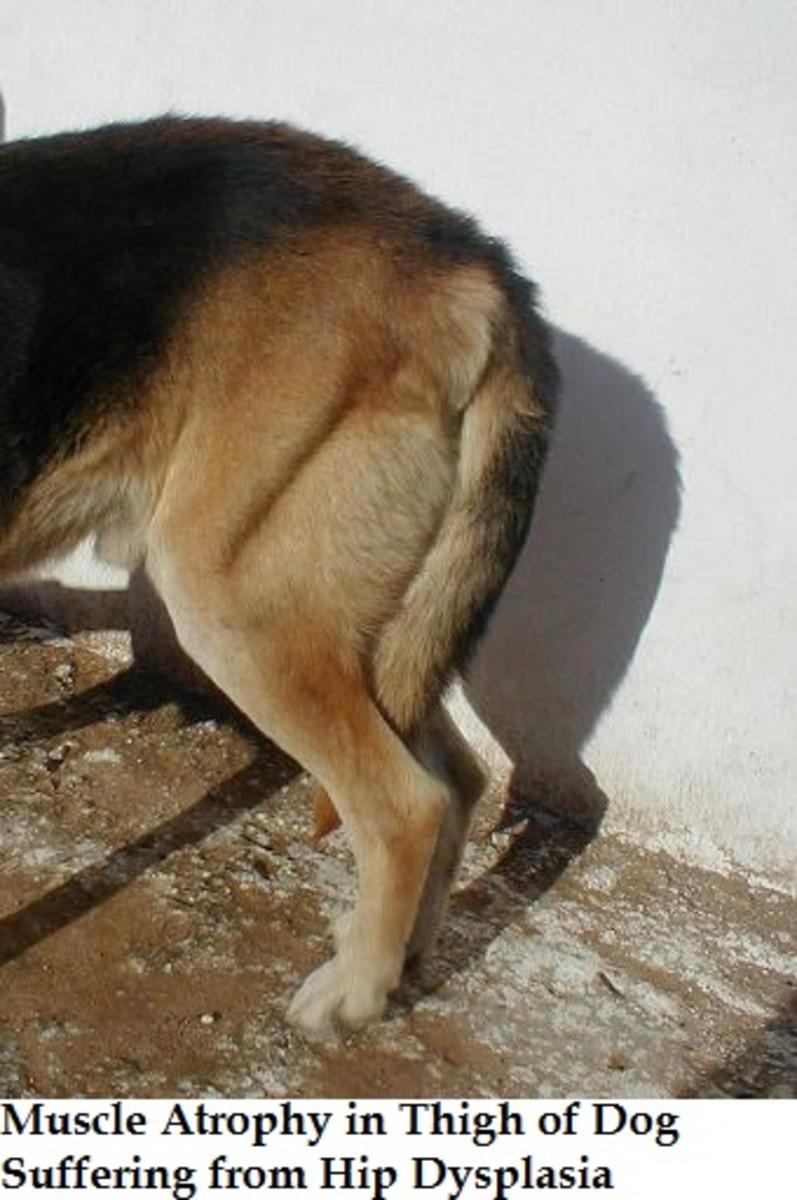
One of the biggest red flags is muscle loss — especially around:
- Hips
- Back legs
- Spine
- Shoulders
You may notice:
- More visible bones
- Narrowing at the thighs
- Weakness rising from lying down
Weight loss should reduce fat — not muscle.
This often signals inadequate protein intake.
Low Energy or Lethargy
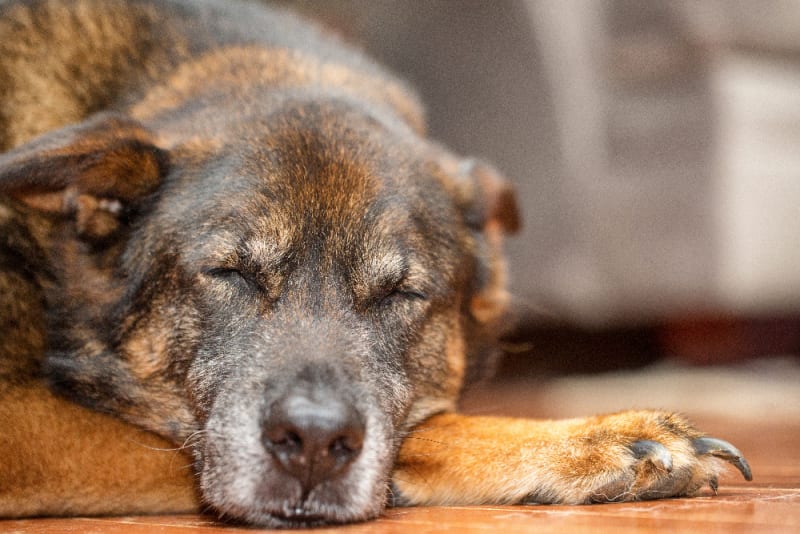
Yes, senior dogs slow down.
But there’s a difference between “aging” and “under-fueled.”
Concerning signs:
- Sleeping far more than usual
- Lack of interest in short walks
- No excitement at mealtime
- Seeming mentally dull
This can point to:
- Calorie intake too low
- Inadequate B vitamins
- Insufficient protein
Digestive Issues
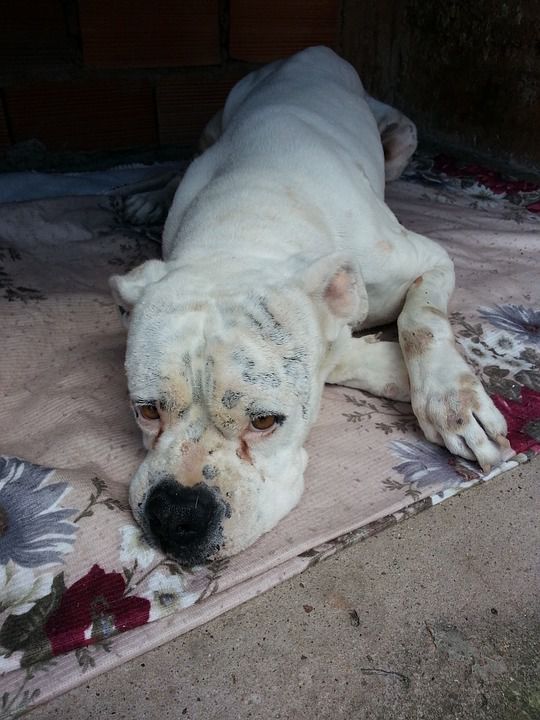
Poor nutrient balance often shows up in digestion.
Watch for:
- Chronic diarrhea
- Constipation
- Very small, dry stools
- Excessive gas
Sudden diet changes or overly restrictive feeding plans can disrupt gut health.
Increased Irritability or Behavioral Changes
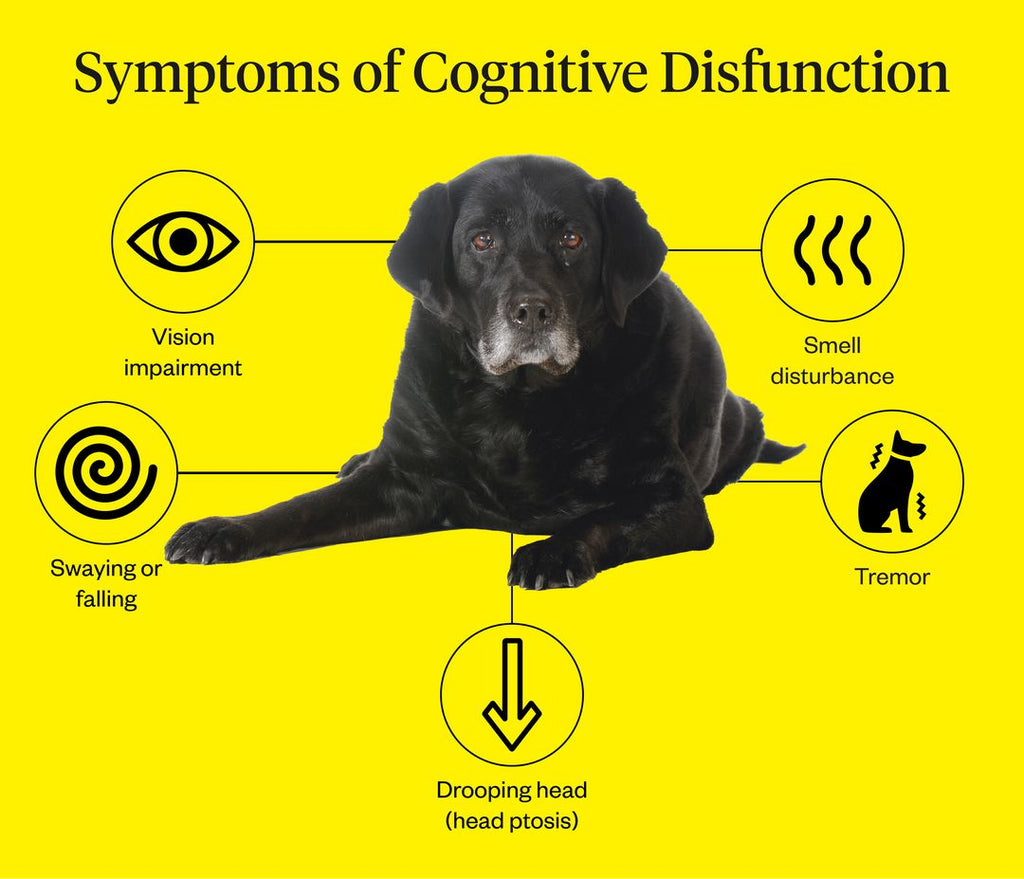
Nutrition affects brain function.
Low essential fats or inadequate calories may contribute to:
- Restlessness
- Irritability
- Increased anxiety
- Food obsession
Sometimes what looks like “behavior issues” is simply unmet nutritional needs.
The Hidden Risk in Senior Dog Weight Loss Plans
Here’s the part most people don’t talk about:
If you reduce food without adjusting nutrient density, your dog can become:
- Calorie deficient
- Protein deficient
- Micronutrient deficient
That’s especially risky in older dogs who already face:
- Muscle loss (sarcopenia)
- Joint degeneration
- Immune decline
Weight management should protect muscle — not strip it away.
When to Call the Vet
Some symptoms overlap with medical issues like:
- Thyroid imbalance
- Kidney disease
- Diabetes
- Malabsorption disorders
If you notice multiple red flags, always rule out medical causes first.
Weight management should improve vitality — not reduce it.
Jeffs Thoughts
Helping Aussie lose weight taught me something powerful:
A senior dog should look lean…
But also strong.
Bright.
Alert.
Engaged.
If your dog is losing weight but also losing vitality, it’s time to reassess the plan.
Because managing weight should never mean sacrificing nutrition.
Friendly Note: I’m sharing what I’ve learned through my journey with Aussie and my research into senior dog care. However, this content isn’t a substitute for professional veterinary advice. Before changing your senior dog’s food, calories, or supplements, it’s always best to check with your vet — especially if your dog has existing health conditions.
Bonus: Kindle Unlimited Members
Offer easy, all-natural recipe ideas. Just remember — when feeding a senior dog, portion control and nutritional balance are especially important, so it’s wise to review any homemade plan with your veterinarian.
Amazon Disclosure: As an Amazon Associate, I earn from qualifying purchases. Any Amazon links used throughout this website may earn a commission when you purchase through them.
Nourishing the Golden Years the Right Way
How To Stop Dogs From Eating Everything
Caring for a senior dog isn’t about doing less — it’s about doing things more thoughtfully.
As our dogs age, their bodies change in ways that aren’t always obvious at first. Metabolism slows. Muscle mass becomes harder to maintain. Joints feel the extra strain of even a few added pounds. And while it might be tempting to simply cut back on food, real senior dog care is about balance — not deprivation.
Jeff & Aussie
Working through Aussie’s weight challenges made one thing clear: senior dogs still need strong nutrition even when calories are being managed. The goal isn’t just weight loss. The goal is preserving muscle, supporting mobility, maintaining energy, and protecting overall health.
When you focus on:
- Proper calorie control
- High-quality protein
- Nutrient-dense foods
- Smart, low-calorie treats
- Safe, gradual weight-loss strategies
- Targeted supplements when appropriate
You give your senior dog the best chance to stay comfortable, active, and happy in their later years.
Every dog will age a little differently, and there’s no one-size-fits-all plan. But with careful adjustments and close attention to your dog’s body and behavior, you can manage weight without sacrificing the nutrition they truly need.
Dawg Solutions Mission
At Dawg Solutions, that’s the mission — helping senior dogs like Aussie live their golden years with strength, dignity, and plenty of tail wags still ahead.
Cooking For Dogs is a good resource for nutrion for managing your dogs weight
If you are a Kindle Unlimited Member you have access to thousands of ebooks free to read on your preferred device, I just purchased a Kindle Reader myself and already I have read enough ebooks that pays for my monthly membership many times.
Aussie & Jeff
Amazon Disclosure: As an Amazon Associate, I earn from qualifying purchases. Any Amazon links used throughout this website may earn a commission when you purchase through them.
- Top Rated Dog Mobility Devices For ArthritisTop rated dog mobility devices for arthritis. Just like you and me, older dogs can experience mobility problems due to arthritis. By knowing the best mobility devices on the market, you can provide your dog the comfort to enjoy the rest of their lives. Affiliate Disclosure Amazon + Friends Affiliate Disclosure: Some of the links … Read more
- 6 Best Signs Of Arthritis In Senior DogsSigns of arthritis in senior dogs are important for dog owners to know, when we start making healthy changes early our older dogs will live a healthier and happier life. Aussie is beginning to show early signs of arthritis, here is what I found out about helping him from my vet and research. Affiliate Disclosure … Read more
- Is Homemade Food Safe For Senior DogsIs homemad food safe for senior dogs might be something you have thought about. We are going to learn from my own experience with Aussie what I learned about homemade food for older dogs. Affiliate Disclosure Amazon + Friends Affiliate Disclosure: Some of the links on this website may be affiliate links. This means that … Read more
- Better Nutritional Needs Of Senior DogsNutritional needs of senior dogs is an important part of keeping them healthy. Many of our older dogs like us gain extra weight, but cutting back their food often can also cut back the nutrients that they need. We are going to discuss how to accomplish managing your dogs weight, but at the same time … Read more
- Learn How Comfort Dog Products Help Reduce AnxietyLearn how comfort dog products help reduece anxiety more than you might realize. Aussie has always been an anxious dog ever since a pup, but by me using comfort dog products his anxiety has been reduces much less. Affiliate Disclosure Amazon + Friends Affiliate Disclosure: Some of the links on this website may be affiliate … Read more
- Trusted Senior Dog Arthritis Comfort SolutionsTrusted senior dog arthritis comfort solutions support, this is something many owners will want to know for when their dog becomes older in age. Just like most of us, our dogs more likely will experience arthritis. We know how uncomfortable it makes us feel, so we will want to do everything within our power to … Read more
- Do Older Dogs Need Less Protein For Weight ManagementDo older dogs need less protein for weight management might be on your mind. We are going to address that question with answers on Dawg Solutions for you. So if you are interested in managing the weight of your older dog, you will want to read what I have found out for you. Affiliate Disclosure … Read more
- The Best 5 Signs My Senior Dog Is In PainThe best 5 signs my senior dog is in pain can be difficult for some dog owners, we are going to educate ourselves on how to watch for the signs that our older dog might be in pain. From one dog owner to another, this can be very important in caring for an aging dog. … Read more
- Simple Dog Weight Loss Tips For Owners SuccessSimple dog weight loss tips for owners success concerned about their older dogs weight. We all seem to gain weight as we become older in age, and our senior dogs are often no different than we are. Managing their weight is as important for them as it is for us, so weight loss tips for … Read more
- Top Health Concerns For Older Dogs RevealedTop health concerns for older dogs for dog owers. As our dogs become older in age we need to beaware of what health issues they are going to be experiencing, and by knowing this ahead of time we can be prepared to make the changes we need to. Affiliate Disclosure Amazon + Friends Affiliate Disclosure: … Read more
Just like humans need to change their nutrition as they get older, it makes sense for dogs and other pets too. The trick is to find food that can still fill them without all the extra calories, as they do ge less active as they get older. It is difficult to judge what our pets need, so it is helpful that you can buy all these pet foods that have been scientifically formulated to offer you pets what they need at each stage of their lives. The onus is on the pet owners to make sure that they deal with their changing needs over time.
Thank you Michel
I appreciate your visitng Dawg Solutions and sharing your experience, I am on a mission to do my very best to provide good information in my guides to help dog owners.
Jeff