Best mobility aids for aging dogs is an important topic we are going to discuss. Dawg Solutions is all about providing you with valuable educational articles to make wise decisions, this websites is devoted to providing answers to problems for senior dogs.
Affiliate Disclosure
Amazon + Wealthy Affiliate + Friends
Aussie n Jeffs Promise To You
You will never find any affiliate links in any of my step-by-step guides on any of my websites, I feel that my guides are to educate you, not push products & services at you.
Affiliate Disclosure: Some of the links on this website may be affiliate links. This means that if you click a link and make a purchase, I may earn a small commission at no extra cost to you. These commissions help support 65 Plus Life, Boomer Biz HQ, and Dawg Solutions. so I can continue creating free resources for older adults.
Amazon Disclosure: As an Amazon Associate, I earn from qualifying purchases. Any Amazon links used throughout this website may earn a commission when you purchase through them.
Wealthy Affiliate Disclosure: I am also a proud affiliate of Wealthy Affiliate. If you choose to join their platform through my referral link, I may earn a commission. I only recommend Wealthy Affiliate because it has personally helped me build websites and create income online, and I believe it can help other older adults learn these skills too.
Thank you for supporting my work — it truly means a lot.
Aussie n Jeff
Understanding Mobility Aids for Aging Dogs
As dogs grow older, it’s common for them to slow down. Stiff joints, weaker muscles, arthritis, hip issues, or past injuries can make everyday movements—standing up, climbing stairs, going for walks, or even getting comfortable—much harder than they used to be. Watching a beloved dog struggle can be heartbreaking, but the good news is this: mobility aids can make a real, meaningful difference in an aging dog’s quality of life.
Mobiity Aids For Aging Dogs
Mobility aids for dogs are specially designed tools that help support weakened joints, reduce pain, and restore confidence in movement. They don’t “fix” aging—and they’re not meant to replace veterinary care—but they do help dogs stay active, independent, and engaged with the world around them for longer.
For many senior dogs, mobility aids:
- Reduce strain on sore hips, knees, and backs
- Make it easier to stand up, walk, or climb stairs
- Help prevent slips and falls on smooth surfaces
- Encourage gentle movement, which supports joint health
- Improve overall comfort, confidence, and mood
Just as importantly, mobility aids can help pet parents too. They reduce the physical strain of lifting or supporting a dog and provide peace of mind knowing your dog is safer and more comfortable during daily activities.
Mobility Aids
From supportive harnesses and dog wheelchairs to ramps, braces, and paw grips, today’s mobility aids are more thoughtfully designed than ever. Many are adjustable, lightweight, and tailored specifically for senior dogs—meaning help doesn’t have to feel intrusive or intimidating.
Choosing the right mobility aid isn’t about giving up on your dog’s independence—it’s about protecting it. With the right support, many aging dogs are able to continue enjoying walks, playtime, and everyday routines they love.
Why This Matters to Me and to Aussie
If you’re reading this because your dog is starting to slow down, I want you to know—you’re not alone.
My Dog Aussie
My own dog, Aussie, is beginning to show signs of mobility issues. He’s a little slower getting up, more cautious on walks, and not quite as steady as he used to be. These changes may be part of aging, but that doesn’t make them any easier to watch. Like many dog parents, I found myself asking the same questions you might be asking now
Is this normal? Is he in pain? How can I help him stay comfortable and independent?
That concern is what led me to start researching mobility aids for aging dogs. Not because Aussie is “giving up,” but because I want to support him—so he can keep enjoying the life he loves for as long as possible.
Sharing With You
As I learned more, I realized how many dog owners are quietly going through the same thing. That’s why I’m sharing my research here on Dawg Solutions. My goal isn’t to overwhelm you with options—it’s to help you understand what’s available, how these tools can help, and how to choose support that fits your dog’s needs.
If your dog is struggling with stairs, slipping on floors, hesitating to jump, or tiring more quickly than before, this guide is for you. Together, we’ll explore mobility aids that can reduce discomfort, increase confidence, and help our dogs age with dignity.
Early Mobility Signs to Watch for as Your Dog Ages
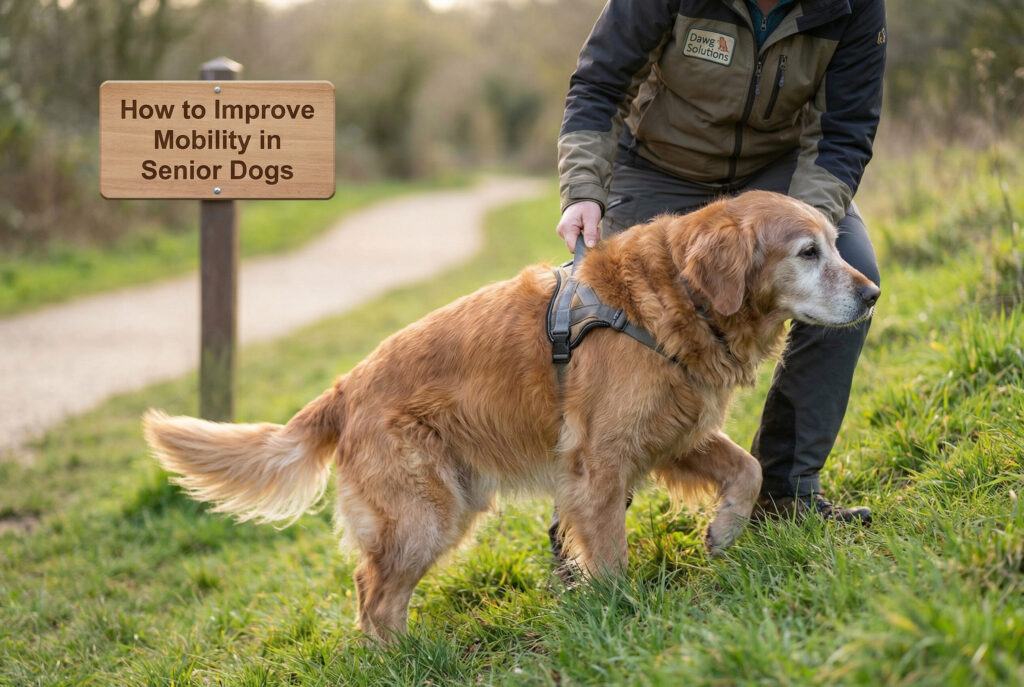
Mobility issues in dogs don’t usually appear overnight. More often, they show up as small, easy-to-miss changes that gradually become part of a dog’s “new normal.” Catching these signs early can make a big difference in how comfortably your dog ages.
Here are some common early warning signs that your dog may be experiencing mobility challenges:
1. Slower Movement or Stiffness
Your dog may take longer to stand up, especially after resting or sleeping. Morning stiffness or hesitation after lying down is often one of the first signs of joint discomfort.
2. Difficulty with Stairs or Jumping
If your dog hesitates before climbing stairs, avoids them altogether, or no longer jumps onto the couch or into the car, it could be due to joint pain or reduced strength—not stubbornness.
3. Limping or Favoring One Side
Even mild limping, occasional skipping, or shifting weight away from one leg can indicate discomfort in the hips, knees, or joints.
4. Slipping on Floors
Senior dogs often struggle with traction on tile, hardwood, or laminate floors. Slipping or sliding can be both a sign of weakness and a safety concern.
5. Changes in Walking Style
Shorter strides, a slower pace, walking with a hunched back, or swaying hips can all point to mobility decline.
6. Less Interest in Walks or Play
A dog who once loved long walks or playtime but now seems reluctant may not be “lazy”—they may be trying to avoid pain or fatigue.
7. Difficulty Getting Comfortable
Frequent repositioning, restlessness, or struggling to settle down can signal joint discomfort or pressure pain.
8. Behavioral Changes
Pain can affect mood. Some dogs become quieter or withdrawn, while others may seem irritable when touched in sensitive areas.
Why Early Awareness Matters
Recognizing these signs early allows you to take proactive steps—whether that’s adjusting your dog’s routine, consulting your veterinarian, or introducing supportive mobility aids before the problem worsens.
Mobility aids aren’t just for dogs with severe limitations. For many aging dogs, early support can slow progression, reduce pain, and help maintain confidence and independence.
Medical Disclaimer
The information shared on Dawg Solutions is intended for educational and informational purposes only and is not a substitute for professional veterinary advice, diagnosis, or treatment.
Every dog is unique, and mobility issues can have many underlying causes. If your dog is showing signs of pain, limping, weakness, or changes in movement or behavior, always consult your veterinarian before introducing new mobility aids, supplements, or lifestyle changes.
A licensed veterinarian can properly evaluate your dog’s condition, rule out serious medical issues, and help you determine the safest and most effective support options for your dog’s specific needs.
If your dog appears to be in severe pain, suddenly loses mobility, or experiences a rapid decline in movement, seek veterinary care immediately.
Best Mobility Aids For Aging Dogs Guide
Common Mobility Issues in Older Dogs — and the Aids That Help Most
As dogs age, mobility challenges tend to follow a few common patterns. Understanding what your dog is struggling with makes it much easier to choose a mobility aid that actually helps—rather than buying something that looks useful but doesn’t address the real issue.
Below are the most common mobility issues seen in senior dogs and the mobility aids that are typically most helpful for each one.
Joint Pain & Arthritis
What it looks like
- Stiffness after resting
- Slower movement
- Reluctance to walk or play
- Visible discomfort when standing or lying down
Mobility aids that help
- Support harnesses (rear or full-body) to reduce joint strain
- Orthopedic dog beds to relieve pressure on sore joints
- Ramps to eliminate jumping onto furniture or into vehicles
These aids help reduce daily stress on painful joints while allowing your dog to stay active in a safe, supported way.
Hip Dysplasia or Weak Hind Legs
What it looks like
- Difficulty standing up
- Wobbling or swaying in the back end
- Trouble climbing stairs
- Sitting down suddenly on walks
Mobility aids that help
- Rear-lift harnesses for walking and bathroom breaks
- Dog wheelchairs for moderate to advanced weakness
- Non-slip flooring aids to improve stability
Supporting the rear legs can dramatically improve confidence and reduce the risk of falls.
Slipping on Smooth Floors
What it looks like
- Sliding on tile or hardwood
- Hesitation walking indoors
- Splayed legs when standing
Mobility aids that help
- Paw grip socks or boots
- Non-slip rugs or runners
- Toe grip accessories for added traction
Improving traction often leads to immediate improvement in confidence and safety inside the home.
Knee or Ligament Issues
What it looks like
- Limping or favoring one leg
- Skipping steps while walking
- Swelling or sensitivity around the knee
Mobility aids that help
- Knee braces for added joint support
- Support harnesses to reduce load during movement
- Ramps to limit jumping and twisting motions
Targeted support can help stabilize the joint and prevent further strain.
Spinal Issues or Back Weakness
What it looks like
- Hunched posture
- Reluctance to bend or turn
- Difficulty getting comfortable
Mobility aids that help
- Full-body support harnesses
- Wheelchairs (depending on severity)
- Raised food and water bowls to reduce bending
Proper support helps protect the spine while maintaining mobility and independence.
General Weakness or Fatigue
What it looks like
- Shorter walks
- Frequent rest breaks
- Less enthusiasm for movement
Mobility aids that help
- Lightweight support harnesses
- Ramps for daily transitions
- Stairs or step aids for furniture access
Even mild support can help conserve energy and prevent overexertion.
Choosing the Right Aid Matters
The best mobility aid isn’t always the most advanced one—it’s the one that matches your dog’s specific challenges. Many dogs benefit from using more than one aid depending on the situation, such as a harness for walks and a ramp at home.
When chosen thoughtfully and introduced gradually, mobility aids can
- Reduce pain
- Improve stability
- Prevent injuries
- Restore confidence
- Help aging dogs stay active longer
Knowing the mobility issue early signs is important for Aussie and other older dogs, then we can choose the right mobility aids to support them with recommendations from their vets of course.
How to Choose the Right Size & Fit for Your Older Dog
A mobility aid only works if it fits properly. An incorrect size can cause discomfort, rubbing, or even worsen mobility issues—especially in senior dogs with sensitive joints.
Measure Before You Buy
Most mobility aids require a few simple measurements. Always check the manufacturer’s sizing guide, but commonly needed measurements include:
- Weight of your dog
- Girth (around the chest or belly)
- Length (from shoulders to tail base)
- Height (especially for wheelchairs or ramps)
Dawg Solutions Tip
When in doubt, choose adjustable designs. Senior dogs benefit from flexibility as their bodies and needs change over time.
Look for Senior-Friendly Features
When selecting a mobility aid, prioritize comfort and ease of use:
- Soft padding to prevent pressure sores
- Wide straps that distribute weight evenly
- Lightweight materials that don’t add strain
- Easy on/off design for dogs with limited patience or mobility
If a product looks complicated or stiff, it’s likely to frustrate both you and your dog.
Check Fit Once It’s On
After fitting the aid:
- You should be able to slip two fingers under straps
- No pinching, rubbing, or digging into joints
- Your dog should be able to move naturally, not awkwardly
Watch closely during the first few uses for redness, hair loss, or signs of discomfort.
How to Introduce Mobility Aids Without Overwhelming Your Dog
Many older dogs don’t love change—and that’s okay. The key is slow, positive introduction.
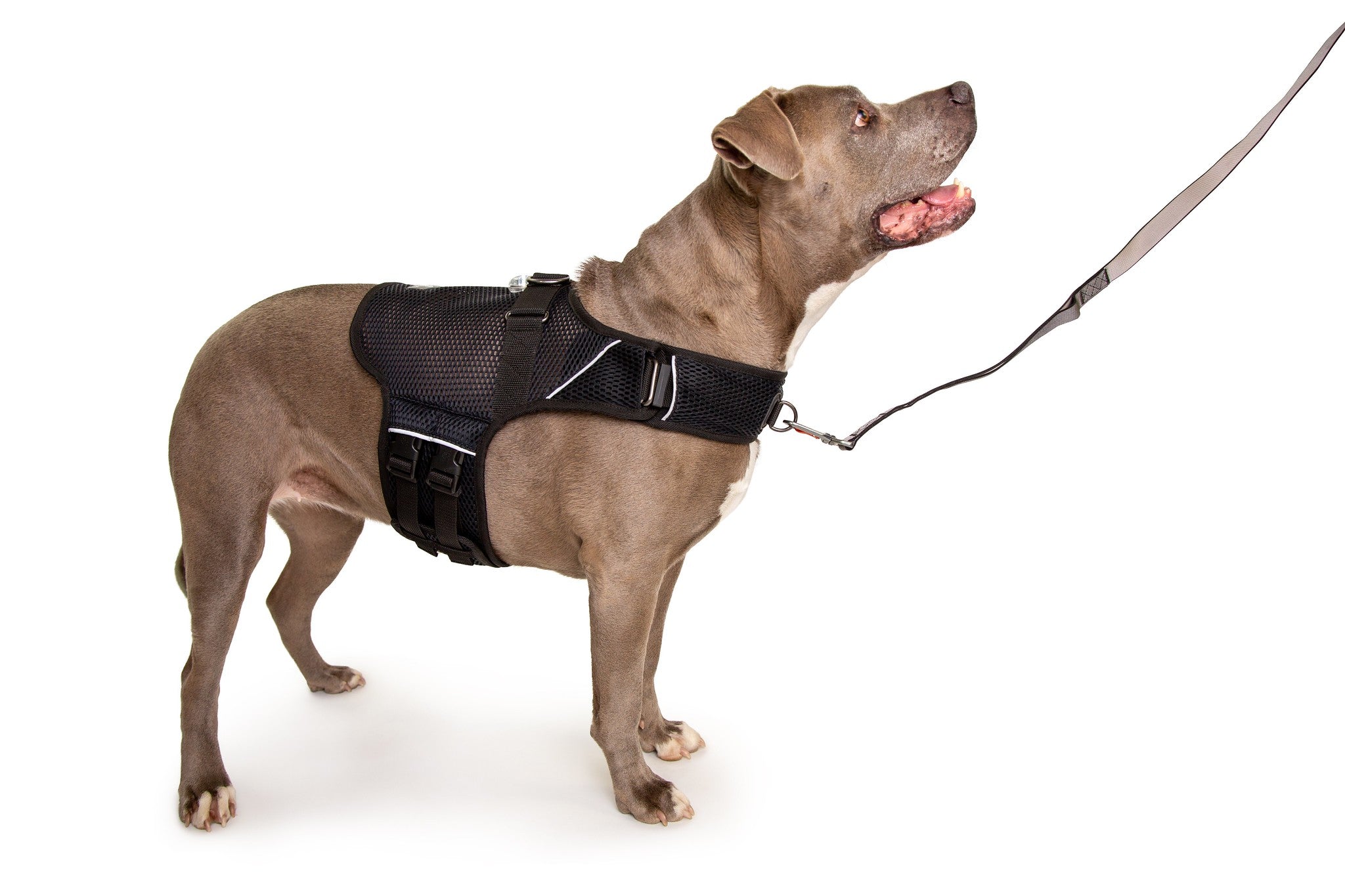
Start Small and Indoors
Begin in a familiar, quiet space:
- Let your dog sniff and inspect the mobility aid
- Put it on briefly without asking them to move
- Keep initial sessions short—just a few minutes
This helps your dog associate the aid with safety, not stress.
Use Praise, Treats & Encouragement
Positive reinforcement makes a huge difference:
- Offer treats when the aid is put on
- Praise calm behavior and small successes
- Keep your tone upbeat and relaxed
Your dog will take emotional cues from you—calm confidence goes a long way.
Gradually Increase Use
Once your dog is comfortable:
- Start with short walks or movements
- Slowly increase time and distance
- Watch for fatigue or resistance
There’s no rush. Progress at your dog’s pace, not a schedule.
Normalize the Experience
Avoid making a big fuss:
- Put the aid on as part of a routine
- Don’t apologize or hover nervously
- Act as though it’s just another helpful tool
Dogs often accept mobility aids more easily when we do.
Know When to Pause or Adjust
If your dog:
- Freezes or refuses to move
- Shows signs of stress or pain
- Seems more uncomfortable than before
Stop, reassess the fit, and consult your veterinarian if needed. Sometimes a different style or size works better.
Reassurance for Dog Parents
Mobility aids don’t take away independence—they protect it. When properly fitted and introduced with patience, many dogs quickly realize these tools help them feel stronger, safer, and more confident.
You’re not “giving up” on your dog—you’re showing up for them.
Common Mistakes to Avoid When Using Mobility Aids for Older Dogs
Mobility aids can be life-changing for senior dogs—but only when they’re chosen and used thoughtfully. Many well-meaning dog parents run into the same issues when they’re new to mobility aids. Knowing what not to do can make the transition much smoother for both you and your dog.
1. Waiting Too Long to Offer Support
One of the most common mistakes is assuming mobility aids are only for dogs with severe limitations. In reality, early support can reduce pain, prevent falls, and slow progression of mobility decline.
If your dog is hesitating, slipping, or struggling—even occasionally—it may already be time for gentle support.
2. Choosing the Wrong Type of Mobility Aid
Not all mobility issues are the same. A wheelchair won’t help a dog who mainly slips on floors, and paw grips won’t support weak hips.
Avoid choosing based on appearance or popularity alone. Instead, match the aid to:
- The specific body area affected
- Your dog’s size and strength
- The situations where your dog struggles most
3. Buying the Wrong Size or Poor Fit
A mobility aid that doesn’t fit correctly can cause:
- Chafing or pressure sores
- Awkward movement
- Increased discomfort or resistance
Always measure carefully and double-check sizing charts. Adjustable designs are often best for senior dogs whose weight or posture may change over time.
4. Introducing the Aid Too Quickly
Putting a new mobility aid on and immediately heading out for a long walk can overwhelm an older dog.
Rushing the process may cause:
- Fear or resistance
- Stress-related behavior
- Negative associations with the aid
Slow, positive introduction builds trust and acceptance.
5. Expecting Instant Results
Mobility aids aren’t magic fixes. Some dogs need time to rebuild confidence, muscle memory, and balance.
Progress may look like:
- Standing more easily
- Shorter recovery time after walks
- Fewer slips or stumbles
Celebrate small wins—they matter.
6. Ignoring Signs of Discomfort
If your dog seems reluctant, stressed, or sore after using a mobility aid, don’t assume they’ll “get used to it.”
Watch for:
- Redness or rubbing
- Limping or stiffness afterward
- Behavioral changes
These are signs the fit, type, or usage needs adjustment.
7. Skipping Veterinary Guidance
While mobility aids are incredibly helpful, they should complement—not replace—veterinary care.
A veterinarian can:
- Identify the underlying cause of mobility issues
- Recommend appropriate support
- Help prevent worsening injuries
Especially for sudden or severe changes, professional input is essential.
8. Making the Aid a Big Emotional Event
Dogs are incredibly sensitive to our emotions. Excessive worry, apologizing, or hovering can signal that something is “wrong.”
Treat mobility aids as:
- Helpful tools
- Part of a routine
- A normal step in aging care
Your calm confidence helps your dog feel safe.
Jeffs Thought for Dog Parents

Using mobility aids isn’t about accepting decline—it’s about adapting with love. Mistakes are part of learning, and with patience, most dogs adjust beautifully.
You’re doing your best—and that’s exactly what your dog needs.
Jeff Shares
Watching your dog grow older isn’t always easy. The gray muzzle, the slower steps, the hesitation where there used to be confidence—it can stir up worry, guilt, and a lot of unanswered questions. But aging doesn’t mean the end of joy, connection, or independence.
Mobility Aids Education
Mobility aids aren’t about what your dog has lost—they’re about what you’re protecting. Comfort. Safety. Confidence. The ability to keep moving through the world with dignity and support.
Early Support Advantages
By paying attention early, doing your research, and choosing thoughtful solutions, you’re giving your dog something incredibly powerful: the chance to keep being themselves for as long as possible.
If your dog is adjusting to a mobility aid right now, take heart. Many dogs not only accept these tools—they come to rely on them. With patience, reassurance, and love, what feels unfamiliar today can become a source of comfort tomorrow.
You’re not behind. You’re not giving up.
You’re showing up.
Helping an Older Dog Cope with Anxiety Around Mobility Aids
Introducing a mobility aid can sometimes trigger anxiety in senior dogs, especially if they’re already feeling vulnerable. These tips can help make the transition gentler and more reassuring.
1. Go at Your Dog’s Pace
There’s no timeline your dog needs to meet. If they need extra time to adjust, that’s okay. Short, positive sessions build trust far better than pushing through discomfort.
2. Stay Calm and Confident
Dogs read our emotions closely. If you’re anxious, apologetic, or hovering, your dog may assume something is wrong. Calm energy and a relaxed tone help your dog feel safe.
3. Pair the Aid with Positive Experiences
Treats, praise, gentle petting, and familiar routines can turn a mobility aid into something good—not scary. Even small wins deserve celebration.
4. Keep Familiar Routines Intact
Stick to regular feeding times, walk schedules, and favorite resting spots. Familiarity helps reduce stress during times of change.
5. Create a Safe, Quiet Environment
Limit distractions when first introducing the aid. A calm, familiar space allows your dog to focus and feel secure.
6. Watch, Listen, Adjust
Anxiety can look like freezing, panting, whining, or refusal to move. If you notice these signs, pause and reassess. Sometimes a simple adjustment in fit or timing makes all the difference.
7. Your Dog Takes Emotional Cues from You
Your reassurance, patience, and love matter more than any piece of equipment. You are your dog’s safe place.
From Aussie
Aussie’s journey—and yours—may look different from every other dog’s, and that’s okay. What matters most is that you’re paying attention, learning, and doing your best to help your dog age comfortably and confidently.
That’s what Dawg Solutions is all about—real experiences, thoughtful research, and helping dogs and the people who love them walk this path together.
Aussie n Jeff/ Dawgy Talk
Affiliate Disclosure
Amazon + Wealthy Affiliate + Friends
Aussie n Jeffs Promise To You
You will never find any affiliate links in any of my step-by-step guides on any of my websites, I feel that my guides are to educate you, not push products & services at you.
Affiliate Disclosure: Some of the links on this website may be affiliate links. This means that if you click a link and make a purchase, I may earn a small commission at no extra cost to you. These commissions help support 65 Plus Life, Boomer Biz HQ, and Dawg Solutions. so I can continue creating free resources for older adults.
Amazon Disclosure: As an Amazon Associate, I earn from qualifying purchases. Any Amazon links used throughout this website may earn a commission when you purchase through them.
Wealthy Affiliate Disclosure: I am also a proud affiliate of Wealthy Affiliate. If you choose to join their platform through my referral link, I may earn a commission. I only recommend Wealthy Affiliate because it has personally helped me build websites and create income online, and I believe it can help other older adults learn these skills too.
Thank you for supporting my work — it truly means a lot.
Aussie n Jeff
- How Technology Aids Special Needs DogsHow technology aids special need dogs lives to become better. What you are going to learn is from my experience with my own dog, right around the time his 7th birthday he began to develop special needs. Read Aussie and my true story with technology products that improved our lives. Affiliate Disclosure: Some of the … Read more
- Learn How Ai Helps Dogs With Disabilities At HomeLearn how ai helps dogs with disabilities at home. Making life easier for dogs with disabilities has totally changed for the better, thanks to AI. Dogs dealing with sight problems, hearing loss, or even mobility issues can now enjoy their home life a lot more comfortably. AI-driven products and smart gadgets are making a real … Read more
- Understanding AI In Pet Training For New Dog OwnersUnderstanding AI in pet training for new dog owners is an educational article. AI is growing dramatically with so many awesome tools in every part of our lives, and pet training is becoming easier for new dog owners then other before. Affiliate Disclosure Amazon + Friends Affiliate Disclosure: Some of the links on this website … Read more
- 10 Best Dog Products For Budget Owners On Fixed Incomes10 best dog products for budget owners on fixed-incomes is to save you time and money. Many dog owners in their senior years are living on fixed-incomes with dogs, so this article is for those of you who might be in this situation. Affiliate Disclosure Amazon + Friends Affiliate Disclosure: Some of the links on … Read more
- Top Nutritional Needs Of Picky Small Dog BreedsTop nutritional needs of picky small dog breeds was inspired by my mothers yorkie terrier, she thinks she is too good to eat dog food. No matter if its kibbles or canned, she will go hungry before giving in. My mother worries that she is not getting the nutritional needs that she needs, so that … Read more
I’ve been coming back to this site many times because the advice here really speaks to someone living with aging dogs, and this mobility aids post was incredibly helpful! My two seniors have definitely shown more hesitation with stairs and longer walks lately, so reading about practical aids like support harnesses and non-slip surfaces was reassuring, especially the reminder that these tools aren’t “giving up,” but loving them through the next chapter.
What really struck me was how simple changes, such as adding rugs for better traction or using a rear-support sling, can significantly improve their confidence and comfort. I’ve learned to pay attention to small signs: a little wobble on wood floors or hesitation getting into the car, to address issues before they become bigger struggles.
Thank you for this kind and realistic guidance!
Thank you Leica
I truly appreciate you as a regular reader of Dawg Solutlons. It motivates me knowing I am helping you with your senior dogs. We all experience the changes of becoming older, even our dogs need adjustments as they become older in age.
Jeff