When to switch my dog to a senior formula food has been on my mind. Since this has been on my mind, I thought why not share what I find out with other senior dog owners. That is how I came about to write this article for you.
Affiliate Disclosure
Amazon + Wealthy Affiliate + Friends
Aussie n Jeffs Promise To You
You will never find any affiliate links in any of my step-by-step guides on any of my websites, I feel that my guides are to educate you, not push products & services at you.
Affiliate Disclosure: Some of the links on this website may be affiliate links. This means that if you click a link and make a purchase, I may earn a small commission at no extra cost to you. These commissions help support 65 Plus Life, Boomer Biz HQ, and Dawg Solutions. so I can continue creating free resources for older adults.
Amazon Disclosure: As an Amazon Associate, I earn from qualifying purchases. Any Amazon links used throughout this website may earn a commission when you purchase through them.
Wealthy Affiliate Disclosure: I am also a proud affiliate of Wealthy Affiliate. If you choose to join their platform through my referral link, I may earn a commission. I only recommend Wealthy Affiliate because it has personally helped me build websites and create income online, and I believe it can help other older adults learn these skills too.
Thank you for supporting my work — it truly means a lot.
Aussie n Jeff
When Should I Switch My Dog to a Senior Formula Food?
If you’ve found yourself staring at your dog’s food bag and wondering, “Is it time to switch to a senior formula?”—you’re not alone.
Many dog parents ask this question quietly, often after noticing subtle changes: a gray muzzle, slower walks, a little stiffness in the morning. That’s exactly how the question came up for me with my dog, Aussie. And chances are, if you’re reading this, you’re thinking about your own dog the same way—wanting to support them as they age without making changes too early or too late.
So let’s break it down in a clear, stress-free way.
What Age Is a Dog Considered “Senior”?
:strip_icc()/best-dog-breeds-for-seniors-4138298-hero-a02732418cd343eb89164c4230e0b574.jpg)
There isn’t one universal age when all dogs become seniors. It depends largely on size and breed:
- Small dogs (under 20 lbs): 8–10 years
- Medium dogs (20–50 lbs): 7–9 years
- Large dogs (50–90 lbs): 6–8 years
- Giant breeds: as early as 5–6 years
But here’s the important part
Age alone shouldn’t be the deciding factor. Some dogs act young well into their later years, while others start showing senior signs earlier.
Signs Your Dog Might Be Ready for Senior Food
Instead of watching the calendar, watch your dog. Senior formula food can be helpful if you’re noticing things like:
- Slowing down on walks or getting tired more easily
- Stiffness when standing up or lying down
- Weight gain despite eating the same amount
- Muscle loss or a thinner appearance
- Sleeping more than usual
- Mild digestive issues
These changes don’t mean something is wrong—they’re often just signs your dog’s nutritional needs are evolving.
What’s Different About Senior Dog Food?
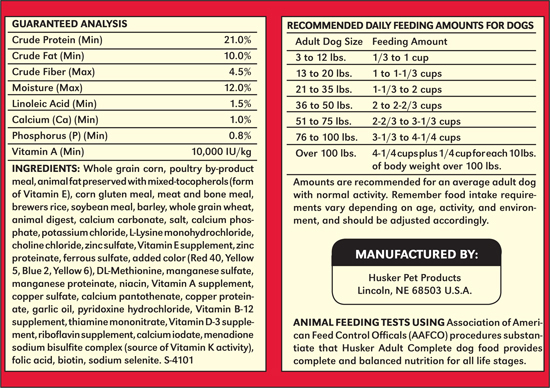
Senior formulas aren’t “weaker” food—they’re more targeted food. Many are designed to support:
- Joint health with added glucosamine and chondroitin
- Weight management with adjusted calorie levels
- Digestive support using easier-to-digest ingredients
- Brain and immune health through antioxidants and omega fatty acids
That said, not all senior foods are created equal. Some dogs do better staying on a high-quality adult formula with a few supplements added—especially if they’re still active and lean.
Can Switching Too Early Be a Problem?
Yes—sometimes.
If a dog switches to senior food too early, they may not get enough calories or protein to maintain healthy muscle mass, especially if they’re still active. That’s why it’s important not to rush the change just because a number on the calendar says “senior.”
Think of senior food as a tool, not a requirement.
How to Transition Safely (When the Time Is Right)

When you do decide to switch, go slow:
- Days 1–3: 75% current food / 25% senior food
- Days 4–6: 50% current / 50% senior
- Days 7–9: 25% current / 75% senior
- Day 10: 100% senior food
This gradual transition helps prevent stomach upset and lets you see how your dog responds.
Jeff Shares
There’s no exact birthday when a dog must switch to senior food.
The right time is when your dog’s body—not the label—says it’s time.
For me, watching Aussie slow down just a bit made me realize how important it is to adapt care as our dogs age. Asking this question isn’t a sign you’re behind—it’s proof you’re paying attention.
And that’s what great dog parents do.
How to Choose the Best Senior Formula Food for Your Dog’s Breed
No two dogs age the same way — and the right food reflects that.
Let’s break it down by size and breed-specific needs, plus a step-by-step guide so dog parents can feel confident about their choice.
Step 1 — Know Your Dog’s Size & Expected Aging Patterns
Dogs of different sizes age at very different rates — and their food needs reflect that:
- Small Breeds (Under ~20 lbs):
Tend to live longer and often remain active into their senior years. They may benefit from extra calories and protein to maintain lean muscle and energy. - Medium Breeds (20–50 lbs):
Often fall in the middle: need joint support sooner than small breeds, but still want nutrient-dense food that supports metabolism. - Large Breeds (50–90 lbs):
Can experience joint and weight issues earlier. Senior formulas with targeted joint supplements, controlled calories, and balanced protein are vital. - Giant Breeds (~90+ lbs):
These dogs often show signs of aging earlier. Strong joint support, controlled calories, and high-quality protein are priorities.
Tip: If you’re not sure what size category your dog falls into, check your breed standard or ask your vet — especially for mixed breeds.
Step 2 — Match Food to Your Dog’s Health Profile
A senior formula isn’t one-size-fits-all. Focus on ingredients that meet your dog’s real needs, not just what looks good on the bag.
Joint Health
Especially important for:
Large & giant breeds
Dogs showing stiffness or minimal activity
Look for:
- Glucosamine
- Chondroitin
- Omega-3 fatty acids (EPA/DHA)
These nutrients help support cartilage and reduce joint inflammation.
Lean Muscle & Weight Control
Especially helpful for:
Small and medium breeds
Dogs slowing down but not losing muscle mass
Look for:
- High-quality protein (real meat first on the list)
- Moderate calorie counts so weight stays stable
Avoid low-protein senior foods — they may contribute to muscle loss.
Digestive Support
Many older dogs develop sensitive stomachs:
- Prebiotics & probiotics
- Easily digested carbohydrates
- Fiber for regularity
Great choice for dogs with gas, loose stools, or picky eating.
Brain & Immune Support
Aging brains and immune systems benefit from:
- Antioxidants (vitamins E, C)
- Omega-3 fatty acids
- Beta-carotene / plant phytonutrients
This is helpful for dogs showing subtle cognitive changes.
Step 3 — Read the Ingredient List (Don’t Let Packaging Fool You)
Marketing buzzwords like “senior” or “advanced care” don’t mean much without quality ingredients.
Here’s what to prioritize:
Real animal protein listed first (e.g., “chicken,” “salmon”)
Generic sources like “meat meal” with no specifics
Named fats like salmon oil or chicken fat
Lots of fillers (corn, wheat, soy) unless balanced with quality fiber
Always check the ingredient order — the earlier it shows quality sources, the better.
Step 4 — Think Breed-Specific Needs Too
Some breeds have unique tendencies:
- Bulldogs & Pugs: prone to weight gain → focus on weight-controlled formula
- Dachshunds & Basset Hounds: back/joint stress → joint support is key
- German Shepherds & Labs: common hip/elbow issues → look for strong glucosamine/chondroitin
- Toy Breeds (like Chihuahuas): high metabolic rate → nutrient-dense calories
Your vet will be your best friend here — especially if your dog has a diagnosed condition.
Step 5 — Talk to Your Vet Before the Switch
There’s no replacement for personalized advice from a professional who knows your dog’s history and current health.
Ask your vet:
- Is senior food the best choice right now?
- Should we test bloodwork before switching?
- Any medical conditions that require a prescription diet?
- Is supplementing better than switching foods?
Veterinary guidance makes the transition safer and more effective.
Step 6 — Watch and Adjust
After you choose a formula:
Give it at least 4–6 weeks before judging results.
Look for:
✔ Improved energy
✔ Healthy coat and skin
✔ Stable weight
✔ Easier digestion
✔ Comfortable movement
If you don’t see progress or notice issues (like loose stools or lethargy), consider trying a different senior formula.
Jeffs Thoughts

Choosing the best senior formula food isn’t about a label or a number — it’s about matching your dog’s body to the nutrients they need today.
With Aussie and every senior dog out there, the goal is clear:
Comfort. Vitality. A great quality of life in the years ahead.
Want help putting together a breed-specific checklist or some top recommended foods for different dog sizes? Just say the word!
Should you switch to the senior formula of your dog’s current food brand, or pick something totally new?
Let’s break this down in a way that actually helps you make the right choice for your dog — not just what looks good on a shelf.
The Short Answer
Sometimes sticking with the same brand’s senior formula makes sense — but not always.
Whether to switch depends on why you’re switching and how well your dog is doing on their current food.
When It Makes Sense to Stay With the Same Brand
Here are the situations where sticking with your dog’s current brand and switching to their senior version is a good move:
The Current Food Is High-Quality
If your dog’s food already has:
- Real animal protein as the first ingredient
- Good sources of healthy fats and omegas
- Digestive support (pre/probiotics)
- No low-value fillers or artificial junk
…then switching to that brand’s senior formula can be a smooth upgrade — especially if the senior version simply adjusts calories and adds joint or immune support without changing the underlying quality.
Why this works:
Your dog already digests and thrives on this food, so the senior version keeps the familiar base while adding nutrients for aging needs.
Your Dog Has a Sensitive Stomach
Some dogs get tummy upset with abrupt ingredient changes. If your dog:
- Gets gas easily
- Has soft stools occasionally
- Is picky about texture or smell
…then staying with the same brand’s senior formula after a gradual transition (over 7–10 days) can reduce GI stress.
The Senior Formula Addresses Your Dog’s Needs
If the senior version of your current food includes specific benefits your dog needs (like joint support, controlled calories, quality protein, digestive aids), then you’re essentially upgrading in a targeted way — without reinventing your dog’s diet.
When It Might Be Better to Switch to Something Else
Here are the signs that a brand change might actually be the smarter move:
The Current Food Isn’t High-Quality
If your dog’s food has:
- Vague protein sources (like “meat meal”)
- Lots of fillers (corn, wheat, soy)
- Artificial colors, flavors, or preservatives
…then switching to a higher-quality senior formula from another brand is often worth it — even if you’ve been using the old food for years.
Why? Because a genuinely nutrient-dense senior diet supports your aging dog better, not just in joint health but in overall vitality, immune strength, and lean muscle maintenance.
The Senior Version Doesn’t Add Anything Useful
Some brands slap “senior” on the bag without adding meaningful nutrients (joint support, omega fatty acids, antioxidants). If the senior formula is basically the same food with a different label or a slight calorie tweak, you might get more value switching to a food that actually supports aging bodies.
Your Dog Has Developing Health Issues
If your dog has:
- Weight gain or weight loss
- Joint stiffness
- Allergies
- Digestive struggles
- Dental issues
- Other age-related concerns
…it’s worth looking at different formulas that more specifically address those issues (sometimes even a vet-prescription diet).
How to Decide — A Simple Decision Guide
Step 1: Check the Ingredient Quality
If high — staying with the same brand senior formula is worth considering.
If low — consider switching brands.
Step 2: Compare Nutrient Benefits
Does the senior version add meaningful ingredients your dog needs (like glucosamine, antioxidants, omega-3s, digestive support)?
- Yes → good reason to stay
- No → consider other options
Step 3: Think About Your Dog’s Personal Health
If your dog has specific issues or changing needs → look at formulas designed for that concern (which might be another brand).
Step 4: Talk With Your Vet
This step always matters. A vet can tell you:
- If your dog should stay on the current brand
- If a new formula would be better
- Whether a prescription diet is appropriate
Personalized advice >> packaging claims.
A Practical Example With Aussie
Let’s say Aussie’s current adult food is:
✔ Real meat first
✔ Good protein
✔ No junk fillers
…and the senior version of that brand:
✔ Adds joint support
✔ Has antioxidants
✔ Adjusted calories
That’s a good reason to switch within the same brand.
But if that senior version only lowers calories and doesn’t add nutrients Aussie needs for aging joints or digestion… then it might be worth exploring other brands that do.
Consider This
Choosing between a brand’s senior formula or a new food entirely depends on quality + nutritional value + your dog’s individual needs.
Here’s the takeaway checklist:
Is the current brand high-quality?
Does the senior version genuinely support aging needs?
Does your dog have health changes that point to specialized nutrition?
What does your vet recommend?
For Senior Dog Parents
Deciding whether to switch your dog to a senior formula can feel heavier than it sounds. Food isn’t just fuel — it’s one of the most direct ways we care for our dogs every single day. So if you’re second-guessing yourself, that’s not a weakness… it’s a sign of how much you love them.
Making The Big Decision
The truth is, there’s no universal “right time” and no single perfect food that works for every senior dog. Some dogs thrive on a senior formula right away. Others do better staying on a high-quality adult food with a few targeted adjustments. What matters most is paying attention to your dog’s body, behavior, and comfort — not just the label on the bag.
What To Consider
If your dog is still energetic, maintaining muscle, digesting well, and moving comfortably, there may be no urgency to change. But if you’re noticing subtle shifts — slower walks, stiffness, weight changes, or digestive issues — a senior formula might be one helpful part of supporting them through this next stage of life.
Listen To Your Heart
It’s also okay to take this decision slowly. You don’t have to switch foods the moment your dog reaches a certain age. You can observe, ask questions, compare ingredients, and talk with your veterinarian. Even trying a senior formula and reassessing after a few weeks is a responsible, thoughtful approach — not a commitment carved in stone.
A Reminder
One more important reminder: nutrition is only one piece of the senior-care puzzle. Regular vet checkups, gentle exercise, weight management, joint support, dental care, and mental enrichment all work together to keep aging dogs comfortable and happy. Food supports the journey — it doesn’t carry it alone.
If you’re reading this because you’re wondering what’s best for your dog, you’re already doing the most important thing: showing up with intention and care.
Aussie — and senior dogs everywhere — don’t need perfection. They need dog parents who notice, adapt, and love them through every gray hair and slower step.
And that’s exactly what you’re doing.
Thank you for reading ” When to Switch My Dog to a Senior Formula Food,”
Aussie n Jeff
Affiliate Disclosure
Amazon + Wealthy Affiliate + Friends
Aussie n Jeffs Promise To You
You will never find any affiliate links in any of my step-by-step guides on any of my websites, I feel that my guides are to educate you, not push products & services at you.
Affiliate Disclosure: Some of the links on this website may be affiliate links. This means that if you click a link and make a purchase, I may earn a small commission at no extra cost to you. These commissions help support 65 Plus Life, Boomer Biz HQ, and Dawg Solutions. so I can continue creating free resources for older adults.
Amazon Disclosure: As an Amazon Associate, I earn from qualifying purchases. Any Amazon links used throughout this website may earn a commission when you purchase through them.
Wealthy Affiliate Disclosure: I am also a proud affiliate of Wealthy Affiliate. If you choose to join their platform through my referral link, I may earn a commission. I only recommend Wealthy Affiliate because it has personally helped me build websites and create income online, and I believe it can help other older adults learn these skills too.
Thank you for supporting my work — it truly means a lot.
Aussie n Jeff
- How Technology Aids Special Needs DogsHow technology aids special need dogs lives to become better. What you are going to learn is from my experience with my own dog, right around the time his 7th birthday he began to develop special needs. Read Aussie and my true story with technology products that improved our lives. Affiliate Disclosure: Some of the … Read more
- Learn How Ai Helps Dogs With Disabilities At HomeLearn how ai helps dogs with disabilities at home. Making life easier for dogs with disabilities has totally changed for the better, thanks to AI. Dogs dealing with sight problems, hearing loss, or even mobility issues can now enjoy their home life a lot more comfortably. AI-driven products and smart gadgets are making a real … Read more
- Understanding AI In Pet Training For New Dog OwnersUnderstanding AI in pet training for new dog owners is an educational article. AI is growing dramatically with so many awesome tools in every part of our lives, and pet training is becoming easier for new dog owners then other before. Affiliate Disclosure Amazon + Friends Affiliate Disclosure: Some of the links on this website … Read more
- 10 Best Dog Products For Budget Owners On Fixed Incomes10 best dog products for budget owners on fixed-incomes is to save you time and money. Many dog owners in their senior years are living on fixed-incomes with dogs, so this article is for those of you who might be in this situation. Affiliate Disclosure Amazon + Friends Affiliate Disclosure: Some of the links on … Read more
- Top Nutritional Needs Of Picky Small Dog BreedsTop nutritional needs of picky small dog breeds was inspired by my mothers yorkie terrier, she thinks she is too good to eat dog food. No matter if its kibbles or canned, she will go hungry before giving in. My mother worries that she is not getting the nutritional needs that she needs, so that … Read more
This was such a helpful read! I’ve been figuring this out with my two older dogs lately. We started noticing lower energy, some stiffness after activity, and a bit of weight gain, even though their routine hadn’t changed. That’s when we realized their nutritional needs were probably shifting with age.
What really helped us decide was watching their actual changes rather than just their age number. Our vet recommended a gradual switch to a senior formula with joint support, and we did see improvements in comfort and appetite. Your reminder to look at each dog individually really resonated with me. Every dog truly ages differently!
Thank you for sharing Alice
Your two dogs are very lucky to have you as an owner. Its good that the change to senior formual food has been a good choice for your dogs. I thank you for visiting my website and sharing your own experience, this does help other readers learn from you.
Jeff