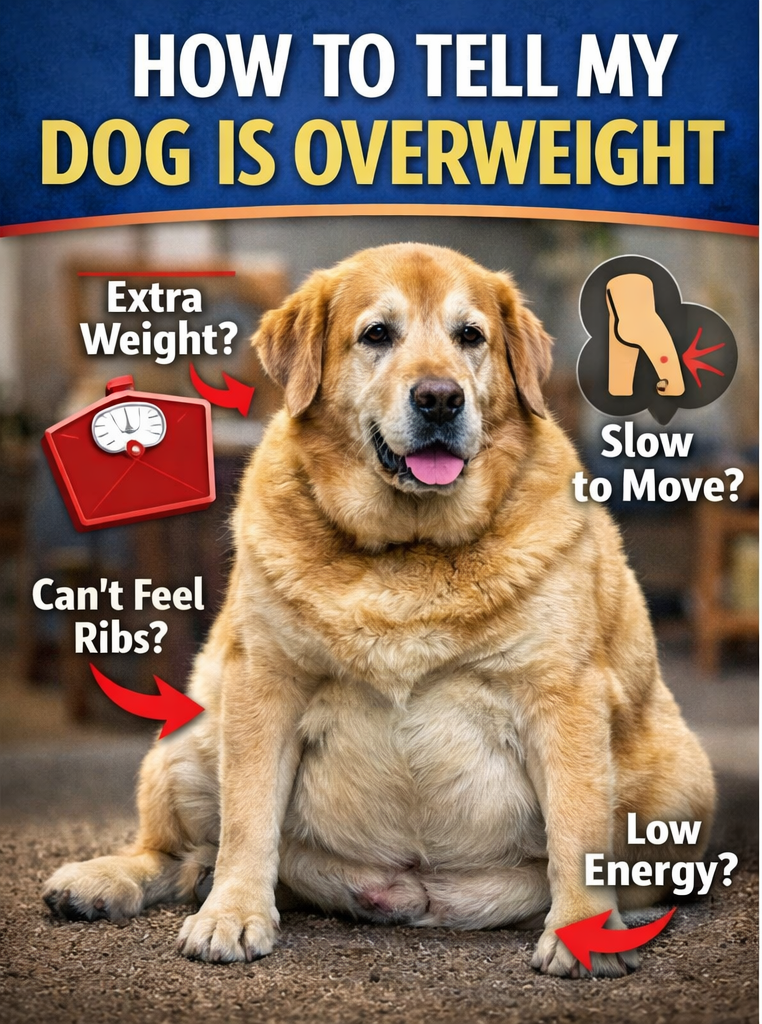
How to tell my dog is overweight is a common question I received from dog owners. We are going to help you detremine if your canine companion is at a healthy weight.
Affiliate Disclosure
You will never find any affiliate links in any of my step-by-step guides on any of my websites, I feel that my guides are to educate you, not push products & services at you.
How to Tell My Senior Dog Is Overweight
And Why It Matters More Than You Think
As our dogs get older, a little slowing down is normal. A little gray around the muzzle? Totally expected. But extra weight? That’s something we need to pay closer attention to — especially in senior dogs.
I’m seeing this firsthand with my own dog, Aussie. He’s still sharp, still sweet, and still loves his routines — but his body just doesn’t move the way it did a few years ago. And that’s exactly why weight matters more now than it ever did when he was younger.
If you’ve ever asked yourself, “Is my older dog overweight… or just aging?” — you’re not alone. Let’s walk through the signs together.
Why Weight Is a Bigger Deal for Older Dogs
Extra pounds are tough on any dog, but for seniors, they can be downright painful.
As dogs age:
- Joints naturally stiffen
- Muscle mass decreases
- Metabolism slows
Add extra weight on top of that, and it can:
- Worsen arthritis and joint pain
- Make standing, walking, and stairs harder
- Increase fatigue and heavy panting
- Shorten overall quality of life
I noticed with Aussie that even a small weight gain made getting up from the floor slower — and walks shorter. That was my wake-up call.
The Gentle Rib Test
This is one of the easiest ways to check your dog’s weight — and you don’t need a scale.
How to do it:
- Place your hands gently on your dog’s ribcage
- You should be able to feel the ribs with light pressure
- If you have to press hard — or can’t feel them at all — your dog may be overweight
Jeffs Tip
If your dog has trouble standing, do this while they’re lying comfortably on their side. I do this with Aussie when he’s relaxed — much easier for both of us.
Look From Above: Is There a Waist?
When you look down at your dog from above, there should be a visible waistline just behind the ribs.
- A healthy senior dog still has some shape
- Completely straight sides or a rounded “barrel” look can signal extra fat
With older dogs, this can be subtle. Aussie doesn’t have the sharp waist he once did — but when it started disappearing altogether, I knew something was off.
Side View: Check for a Tummy Tuck
From the side, your dog’s belly should gently tuck upward behind the ribcage.
What’s normal:
- A slight sag in senior dogs
- Loose skin from aging
What’s not
- A belly that hangs straight down with no tuck at all
This is one of those signs that sneaks up on us — especially if we see our dogs every day.
Behavior Changes That Can Signal Weight Gain
This is where senior dogs really tell the story.
Watch for:
- Slower rising from naps
- Hesitation before stairs or jumping
- Shorter walks than usual
- Choosing rest over play
- Heavier breathing after mild activity
I noticed Aussie started pausing before steps he used to take without thinking. At first, I blamed age alone — but weight was definitely part of the picture.
Feel for Fat Pads (Especially Helpful for Fluffy Dogs)
If your dog has a thick coat, visuals can lie.
Gently feel for:
- Soft fat around the base of the tail
- Thick padding over shoulders or hips
- A squishy feel instead of firm muscle
This check helped me with Aussie — his fur hides more than you’d think.
The Scale Helps — But It’s Not the Whole Story
Weight numbers matter, but context matters more.
Senior dogs often:
- Lose muscle
- Gain fat
- Stay close to the same weight on the scale
Compare your dog’s weight to:
- Their healthiest adult weight
- Breed guidelines
- Past vet records
Monthly weigh-ins can help spot slow creep before it becomes a problem.
Why Senior Dogs Gain Weight So Easily
This part hits home for many of us:
- Slower metabolism
- Less activity due to joint pain
- Portions that never got adjusted
- Extra treats “because they’re older”
- Table scraps (they add up fast)
I’ll admit it — when Aussie gives that look, it’s hard to say no. But love doesn’t have to come in snack form.
When to Talk to Your Vet
Always check with your vet if you notice:
- Sudden weight gain
- Belly swelling
- Major energy changes
- Trouble breathing
- Rapid decline in mobility
Medical issues like thyroid problems can mimic weight gain — and they’re treatable when caught early.
This Is About Comfort, Not Looks
Helping your senior dog maintain a healthy weight isn’t about making them thinner — it’s about helping them move easier, hurt less, and enjoy their golden years.
Watching Aussie age has taught me this: small changes now can mean more good days later.
And that’s what Dawgy Talk is all about — doing the best we can for the dogs who’ve done so much for us
Senior Dog Portion-Control Guide
A Simple Feeding Guide for Older Dogs of All Sizes
As dogs age, their bodies change — even if their appetite doesn’t. Senior dogs burn fewer calories, move less, and often need smaller portions than they did in their younger years.
I learned this the hard way with my own dog, Aussie. His food bowl never changed, but his activity level did. That small mismatch? It added up faster than I expected.
This guide will help you adjust portions safely — without starving your dog or guessing.
Portion Control Is About Calories, Not Just Cups
Here’s the part many dog owners don’t realize:
Most dogs are overfed simply because portions aren’t adjusted as they age.
Senior dogs usually need:
- 10–20% fewer calories than active adult dogs
- More precise portions
- Fewer “bonus calories” from treats
Always check your dog food label for calorie info — it matters more than cup size.
Senior Dog Portion Guide by Size
These are general guidelines. Every dog is different. Always adjust slowly and consult your vet if unsure.
Small Senior Dogs (Under 20 lbs)
Examples: Chihuahua, Dachshund, Shih Tzu, Yorkie
Daily food range:
- ¼ to ¾ cup per day
- Split into 2 meals
Common mistake:
Treats can equal 25–30% of daily calories for small dogs.
Dawgy Tip
Break treats into tiny pieces — they don’t notice the difference, but their waistline does.
Medium Senior Dogs (20–50 lbs)
Examples: Beagle, Cocker Spaniel, Border Collie
Daily food range:
- 1 to 2 cups per day
- Split into 2 meals
Watch for:
Portions that never changed after activity slowed.
This is where Aussie landed — same bowl, fewer walks, extra pounds.
Large Senior Dogs (50–90 lbs)
Examples: Labrador, German Shepherd, Golden Retriever
Daily food range:
- 2 to 3½ cups per day
- Split into 2 meals
Why precision matters:
Extra weight hits joints hard in large seniors.
Dawgy Tip:
Use a measuring cup — eyeballing portions almost always leads to overfeeding.
Giant Senior Dogs (90+ lbs)
Examples: Great Dane, Mastiff, Saint Bernard
Daily food range:
- 3 to 5 cups per day
- Split into 2 meals
Important:
Weight gain accelerates joint breakdown in giant breeds.
Smaller adjustments make a big difference here.
How to Adjust Portions Safely With No Crash Diets
If your senior dog needs to lose weight:
- Reduce food by 10%
- Hold for 2–3 weeks
- Watch energy, stool quality, and mobility
- Adjust again only if needed
Never:
- Cut portions drastically
- Skip meals
- Starve a senior dog
Slow and steady protects aging joints and organs.
Treats Count — Even the “Healthy” Ones
Treat guidelines:
- Treats should be no more than 10% of daily calories
- Veggie treats (carrots, green beans) are great low-cal options
- Avoid table scraps — especially for seniors
With Aussie, I switched from biscuits to affection rewards: brushing, short sniff walks, belly rubs. Same love. Fewer calories.
Wet Food, Dry Food, or Both?
- Dry food: Easier to measure, higher calorie density
- Wet food: Lower calorie density, helps hydration
- Mixed feeding: Measure BOTH carefully
Mixing foods without adjusting portions is a common cause of weight gain.
Signs Your Portions Are Working
You’re on the right track if:
- Ribs are easier to feel
- Your dog moves more comfortably
- Energy improves
- No constant begging or distress
Weight loss in seniors should be gradual, not dramatic.
When to Involve Your Vet
Always consult your vet if:
- Weight gain is sudden
- Your dog has arthritis, diabetes, or thyroid issues
- You’re unsure about calorie needs
- Mobility declines quickly
A vet-guided plan is the safest option for aging dogs.
Dawgy Talk Thought
Portion control isn’t about taking something away — it’s about giving your senior dog more comfort, more mobility, and more good days.
Watching Aussie feel better with just small changes reminded me:
Sometimes the biggest improvements come from the smallest scoops.
What’s Better for Senior Dogs
Kibble or Canned Dog Food?
Before we talk portions and calculators, let’s clear up one of the most common questions senior dog owners ask:
Is dry food (kibble) or canned food better for older dogs?
The honest answer?
It depends on your dog.
Both can work beautifully — if you choose and portion them correctly.
Dry Food (Kibble): The Practical Choice for Many Seniors
Pros
- Easier to measure and portion
- Lower cost per meal
- Helps reduce plaque buildup
- Convenient for multi-dog households
Considerations for Older Dogs
- Higher calorie density — easy to overfeed
- Harder to chew for dogs with dental issues
- Lower moisture content
Best for senior dogs who:
- Have good teeth
- Drink water well
- Need precise portion control
- Are prone to weight gain
Aussie note:
Kibble worked well for Aussie when I reduced his portion slightly and added water to soften it. Same food — better comfort.
Canned (Wet) Food Easier on Aging Bodies
Pros
- Higher moisture content (great for hydration)
- Easier to chew
- Often more appealing to picky senior eaters
- Lower calorie density per volume
Considerations
- More expensive
- Easier to overfeed if portions aren’t measured
- Can stick to teeth if dental care is lacking
Best for senior dogs who:
- Have dental problems
- Don’t drink much water
- Have reduced appetite
- Struggle with chewing
Mixed Feeding: A Balanced Option for Many Seniors
Many senior dog owners find success with a mix of kibble and canned food.
Why it works:
- Improves taste and hydration
- Still allows portion control
- Easier transition for picky eaters
Important:
You must measure both foods carefully. Mixing without adjusting portions is one of the biggest causes of senior dog weight gain.
So… Which Is Best for Your Senior Dog?
Here’s the Dawgy Talk truth
- If Your Dog…Better Choice Needs weight control Kibble
- Has dental issues Canned
- Drinks little waterCanned
- Needs precise portionsKibbleIs
- Picky Mixed
- Has arthritis Either (portion matters most)
Food type matters less than portion size and calorie control.
That’s why the next step matters.
Senior Dog Portion Calculator
Find the Right Daily Food Amount for Your Older Dog
This calculator helps estimate daily portions based on your dog’s size, age, and activity level.
This is a guide — not a medical diagnosis. Always consult your vet for specific conditions.
Step 1: Enter Your Dog’s Details
Dog’s Weight (lbs):
⬜️ Small (under 20 lbs)
⬜️ Medium (20–50 lbs)
⬜️ Large (50–90 lbs)
⬜️ Giant (90+ lbs)
Age Category:
⬜️ Adult (7–9 years)
⬜️ Senior (10–12 years)
⬜️ Geriatric (13+ years)
Activity Level:
⬜️ Low (mostly resting)
⬜️ Moderate (daily short walks)
⬜️ Active (still enjoys longer walks/play)
Step 2: Choose Food Type
⬜️ Dry food (kibble)
⬜️ Canned food
⬜️ Mixed (kibble + canned)
Step 3: Calculator Output (Example Display)
Estimated Daily Feeding Amount
Dry Food (Kibble):
- ___ cups per day
- Split into 2 meals
Canned Food:
- ___ ounces per day
- Split into 2 meals
Mixed Feeding:
- ___ cups kibble
- ___ ounces canned
- Total calories adjusted automatically
Step 4: Adjustment Guidance
If your dog needs to:
- Lose weight: Reduce by 10%
- Maintain weight: Keep portion steady
- Gain weight: Increase by 5–10% slowly
Monitor for:
- Easier movement
- Better energy
- Comfortable digestion
Dawgy Talk Thought
Choosing between kibble and canned food isn’t about what’s “best” in general — it’s about what works best for your dog’s aging body.
With Aussie, the biggest difference didn’t come from switching foods — it came from measuring portions and paying attention.
That’s what this calculator is here for:
Less guessing. More good days.
How to Deal With Your Older Dog Pestering You for Table Scraps and Treats
Without Feeling Guilty
If you live with an older dog, you know the look.
The slow walk into the kitchen.
The careful sit.
The hopeful eyes locked on your plate.
Senior dogs are masters at making us feel guilty — and honestly, they’ve earned it. But when extra weight starts affecting joints, breathing, and comfort, giving in can quietly do more harm than good.
I ran straight into this with Aussie. As he slowed down, he somehow became more determined at mealtimes. And I realized something important:
Senior dogs don’t beg because they’re starving.
They beg because it worked before.
Let’s talk about how to handle it — gently and effectively.
First, Let’s Clear Up the Guilt
Feeding table scraps is often about love, not food.
- We want to comfort them
- We feel bad as they age
- We worry they’re “missing out”
Here’s the Dawgy Talk truth:
Saying no to scraps is not withholding love.
It’s protecting your dog’s comfort and mobility.
Why Senior Dogs Become More Persistent Beggars
Older dogs often pester more because:
- They’re less active and more food-focused
- Routines change (more time at home = more opportunities)
- Appetite stays strong while calorie needs drop
- They’ve learned exactly what works on you
Aussie didn’t suddenly get hungrier — he just got smarter.
Rule #1: Stop Feeding From the Table (This One Matters)
This is the hardest rule — and the most important.
Even “just a little” teaches:
- Begging works
- Mealtimes = rewards
- Persistence pays off
Dawgy Talk reality:
You can’t stop begging while rewarding it.
If multiple people live in the house, everyone has to be on board.
Replace the Habit (Don’t Just Remove It)
If you only take food away, your dog feels punished.
Instead, swap the reward.
Better alternatives:
- Belly rubs
- Short sniff walks
- Brushing time
- Verbal praise
- A favorite toy nearby during meals
With Aussie, I started brushing him during my dinner — same attention, zero calories.
Create a “Safe Spot” During Human Meals
Give your senior dog a clear place to go while you eat:
- A comfortable bed
- A mat in another room
- A chew toy approved by your vet
Reward them after the meal, not during.
Over time, they learn:
“Good things happen when I don’t beg.”
Use Low-Calorie Treats the Right Way
Treats aren’t banned — they just need rules.
Senior-friendly treat swaps:
- Green beans
- Carrot slices
- Apple slices (no seeds)
- Ice cubes (yes, really)
Keep treats:
- Small
- Scheduled
- Accounted for in daily calories
I keep a small container of approved treats so Aussie doesn’t associate my plate with snacks.
Don’t Fall for These Common Begging Traps
“He looks sad”
“It’s just a bite”
“He’s old — let him enjoy life”
Enjoyment doesn’t have to come from food.
Senior dogs enjoy:
- Comfort
- Predictability
- Attention
- Routine
Train a “Go Lie Down” Cue (Yes, Even Older Dogs Can Learn)
Senior dogs absolutely can learn new habits.
Start by:
- Tossing a treat to their bed before you eat
- Saying “Go lie down”
- Rewarding calm behavior
Keep sessions short and positive.
Aussie caught on faster than I expected — mostly because the routine was clear.
What If Begging Gets Worse at First?
That’s normal.
It’s called an extinction burst — your dog tries harder because the old trick stopped working.
Stay consistent.
Don’t give in.
It usually passes within a week or two.
When to Talk to Your Vet
Check with your vet if:
- Begging is sudden or extreme
- Appetite increases dramatically
- Weight gain happens quickly
- Your dog seems constantly hungry
Medical issues can mimic food obsession.
Dawgy Talk Thought
Your older dog doesn’t need table scraps to feel loved.
They need:
- Comfort
- Consistency
- Healthy boundaries
- And a whole lot of your time
Watching Aussie relax more — and move easier — once we broke the begging cycle reminded me:
Love isn’t what’s on the plate.
It’s what you do every day to help them feel their best.
Best Low-Calorie Snack Options for Senior Dogs
These snacks are gentle, filling, and easy on aging bodies.
Fresh Veggies (Simple & Effective)
Great options:
- Baby carrots or carrot slices
- Green beans (fresh or frozen)
- Cucumber slices
- Zucchini rounds
Why they work:
- Very low calorie
- Crunchy (dogs love the texture)
- High fiber = helps them feel full
Tip: Lightly steam veggies for seniors with sensitive teeth.
Low-Sugar Fruits (In Moderation)
Safe choices:
- Apple slices (no seeds)
- Blueberries
- Strawberries
- Watermelon (no rind or seeds)
Use sparingly — fruit has natural sugar, but a few pieces go a long way.
Unexpected Favorite: Ice Cubes
Yes, really.
- Zero calories
- Great for hydration
- Soothing for dogs who enjoy chewing
Aussie treats ice cubes like a special event.
Senior-Specific Soft Treats (Measured Carefully)
Look for:
- Soft texture
- Clearly listed calories
- No added sugars or fillers
Break treats into smaller pieces — dogs don’t care about size, just frequency.
What to Avoid Giving Senior Dogs
Even in small amounts, these add up fast:
Table scraps
Cheese cubes
Deli meats
Fatty leftovers
Sugary commercial treats
These can worsen:
- Weight gain
- Joint pain
- Digestive upset
Are Joint Supplement Biscuits Okay for Senior Dogs?
Short answer: Yes — with conditions.
Joint supplement biscuits can be helpful, but they should be treated as supplements, not snacks.
When Joint Supplement Biscuits Are Helpful
They may support:
- Joint mobility
- Stiffness
- Arthritis comfort
Common ingredients:
- Glucosamine
- Chondroitin
- MSM
- Green-lipped mussel
I use them with Aussie — but very intentionally.
The Biggest Mistake Dog Owners Make
Giving joint biscuits in addition to regular treats
These biscuits:
- Still contain calories
- Often equal 30–50 calories per biscuit
- Can quietly sabotage weight goals
How to Use Joint Biscuits the Right Way
Count them as part of daily calories
Follow dosage instructions
Replace other treats — don’t add them
Choose soft, senior-friendly textures
Dawgy Talk rule:
One joint biscuit = one treat for the day.
Better Alternative (Vet-Approved Option)
If weight is a concern, ask your vet about:
- Powder supplements
- Liquid supplements
- Chews with lower calorie counts
These often provide the same benefits with fewer calories.
How Many Snacks Is Too Many?
A good guideline:
- Treats should be no more than 10% of daily calories
- For many seniors, that’s just 1–2 small snacks per day
If your dog is overweight, even less may be better.
Signs Your Snack Choices Are Working
You’re doing it right if:
- Begging decreases
- Weight stabilizes or drops slowly
- Energy improves
- Mobility feels easier
With Aussie, the biggest change wasn’t cutting treats — it was changing the type.
Dawgy Talk Thought
Senior dogs don’t need more treats — they need better ones.
Low-calorie snacks, smart portions, and thoughtful supplements can:
- Reduce joint stress
- Support mobility
- Extend quality of life
Aussie still gets his snacks — they’re just smarter now. And honestly?
He doesn’t miss the old ones at all.
A Dependable Resource for Senior Dogs With Weight Concerns
The Association for Pet Obesity Prevention’s weight-loss info hub for dogs. It offers science-based guidance on managing dog weight, including tips on portion control, healthy snacks, exercise, and tracking progress. You’ll find help on real strategies — not gimmicks — for reducing and managing extra pounds in dogs of all ages. Association for Pet Obesity Prevention
A resource like this is perfect for dog owners who want consistent, veterinarian-aligned advice on honestly helping their senior dog stay comfortable and healthy.
Aussie’s Corner
What Happened When We Cut Portions
When Aussie hit his senior years, I didn’t notice the weight creeping up until one day he huffed a little more on our walks and struggled up the back stairs. Sound familiar?
So we started a portion-controlled plan:
The Change:
Instead of free-feeding or overestimating his kibble, we used measured scoops — and he got slightly less food than before, matched to his lower activity level.
What Happened Next:
- Week 1–2: He seemed a little hungrier at first, but we kept his meals consistent and stuck with the schedule.
- Week 3–4: He began moving more comfortably on short walks — no more panting after a few minutes.
- Month 1: His rib outline became easier to feel with gentle touch (a good sign); his overall energy felt more balanced rather than food-driven.
- Ongoing: His weight slowly trended toward a healthier range — not dramatic loss, just a comfortable, steady change.
That slow pace is key — vets recommend gradual weight reduction so your dog keeps muscle and avoids stress on organs.
Helping Your Senior Dog Feel Better Starts With Small Choices
Caring for an older dog is a little different than caring for a younger one. Their bodies change, their needs shift, and sometimes the things we’ve always done — like generous portions or extra treats — quietly stop serving them.
Weight Management With Aussie
I’ve learned this alongside Aussie. Cutting his food portions wasn’t about taking something away from him. It was about giving him more comfort, easier movement, and better days. And once his body started feeling better, the begging eased, his energy steadied, and our routines felt calmer again.
If there’s one thing I hope you take away from Dawgy Talk, it’s this:
You don’t need perfection — you need awareness and consistency.
Key Takeaways for Senior Dog Owners
- Extra weight matters more in older dogs. Even a few pounds can increase joint pain, stiffness, and fatigue.
- Portion control is the most powerful tool you have. Small, measured changes make a big difference over time.
- Kibble or canned food can both work — what matters most is calorie control and proper portions.
- Treats still have a place, but they should be low-calorie, limited, and counted as part of daily intake.
- Joint supplement biscuits are okay — just treat them as supplements, not bonus snacks.
- Begging is a habit, not hunger. Consistency and routine help break the cycle.
- Slow progress is the goal. Healthy weight changes in senior dogs should be gradual and gentle.
- Reliable resources and your vet matter. When in doubt, lean on trusted, evidence-based guidance.
Helpful Dawg Solution Pages
- Understanding Aging Dogs
- Comfort & Mobility
- Emotional Changes in Older Dogs
- Relaxed & Secure Solutions
A Final Word From Aussie
Your older dog doesn’t need more food to feel loved.
They need:
- Comfortable movement
- Predictable routines
- Thoughtful nutrition
- And you — paying attention
Aussie may not say it out loud, but I can see it in how he moves a little easier now, how he settles more comfortably, and how our walks feel just a bit lighter.
That’s what this is all about — helping our dogs enjoy their golden years with dignity, comfort, and care.
And that’s Dawgy Talk.
Thank you for reading ” How to Tell My Dog is Overweight”, I do apologize for this article to be longer than normal. There was just so much information I wanted to share with you, so thank you for reading my entire article on Dawg Solutions.
Jeff/ Dawg Solutions
- Learn How Comfort Dog Products Help Reduce AnxietyLearn how comfort dog products help reduece anxiety more than you might realize. Aussie has always been an anxious dog ever since a pup, but by me using comfort dog products his anxiety has been reduces much less. Affiliate Disclosure Amazon + Friends Affiliate Disclosure: Some of the links on this website may be affiliate … Read more
- Trusted Senior Dog Arthritis Comfort SolutionsTrusted senior dog arthritis comfort solutions support, this is something many owners will want to know for when their dog becomes older in age. Just like most of us, our dogs more likely will experience arthritis. We know how uncomfortable it makes us feel, so we will want to do everything within our power to … Read more
- Do Older Dogs Need Less Protein For Weight ManagementDo older dogs need less protein for weight management might be on your mind. We are going to address that question with answers on Dawg Solutions for you. So if you are interested in managing the weight of your older dog, you will want to read what I have found out for you. Affiliate Disclosure … Read more
- The Best 5 Signs My Senior Dog Is In PainThe best 5 signs my senior dog is in pain can be difficult for some dog owners, we are going to educate ourselves on how to watch for the signs that our older dog might be in pain. From one dog owner to another, this can be very important in caring for an aging dog. … Read more
- Simple Dog Weight Loss Tips For Owners SuccessSimple dog weight loss tips for owners success concerned about their older dogs weight. We all seem to gain weight as we become older in age, and our senior dogs are often no different than we are. Managing their weight is as important for them as it is for us, so weight loss tips for … Read more
An overweight dog often shows subtle signs such as difficulty feeling the ribs, loss of a visible waist, a sagging belly, reduced energy, and trouble with everyday movements like jumping or climbing stairs. Weight gain usually happens gradually, making it easy to miss. Simple weight management—measuring meals, limiting high-calorie treats, choosing healthier snack alternatives, increasing daily activity with manageable walks, and tracking weight regularly—can make a noticeable difference. Even modest weight loss can improve a dog’s energy, mobility, and overall health.
Thank you for sharing what you know yourself about overweight older dogs. I appreciate very much you taking the time to share so we can learn from you.
Jeff