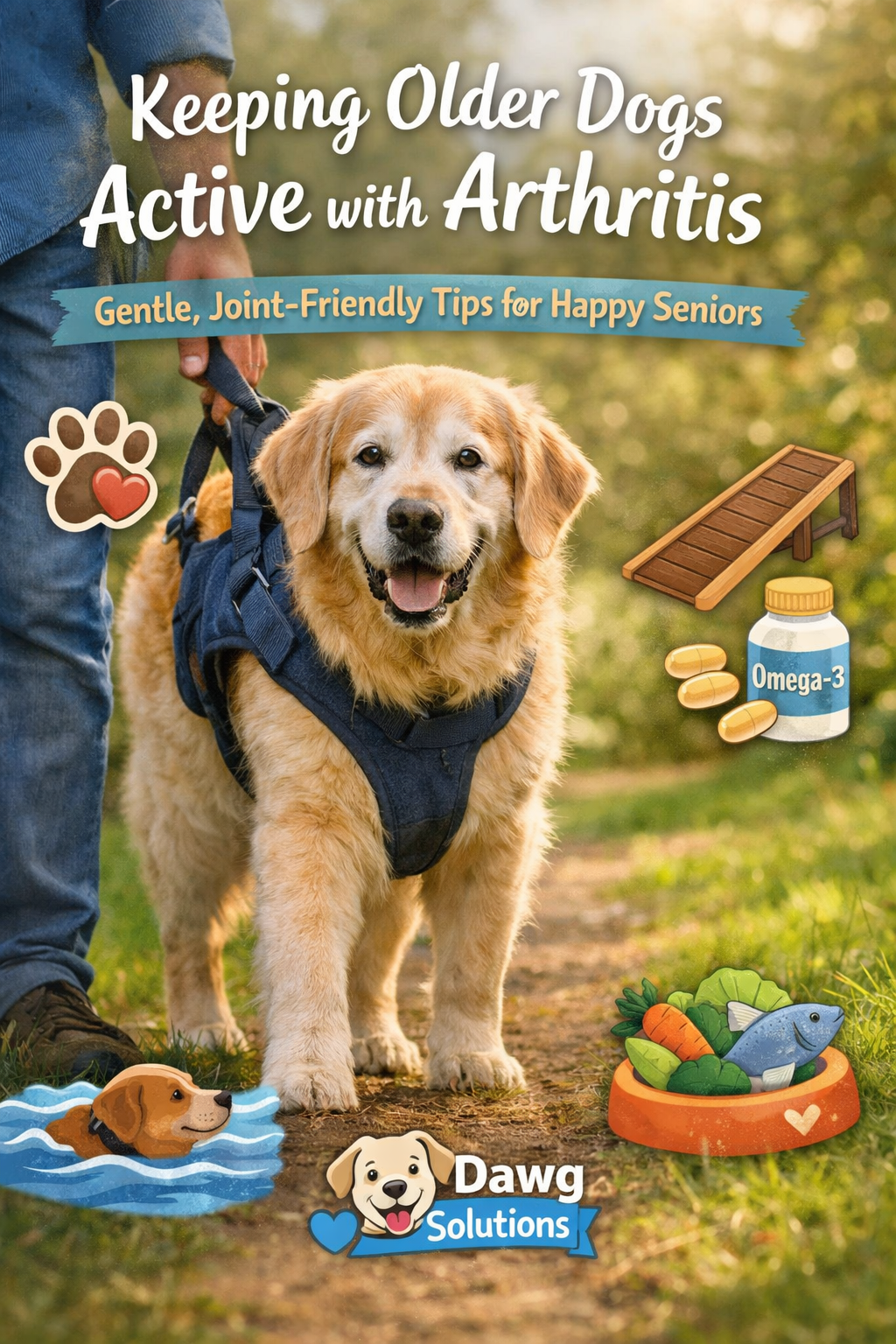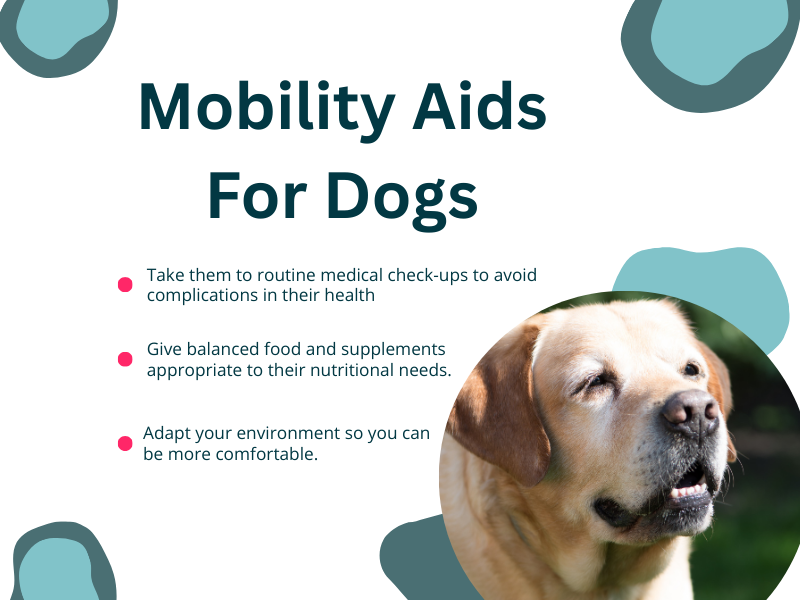
How to help dogs with arthritis move better. We all feel for our older dog stuggling to move as they did when they were a young pup. There are some things we can do to help them move better, that is what I have to share with you in this article.
Affiliate Disclosure: Some of the links on this website may be affiliate links. This means that if you click a link and make a purchase, I may earn a small commission at no extra cost to you. These commissions help support 65 Plus Life and Boomer Biz HQ, and Dawg Solutions. so I can continue creating free resources for older adults.
Amazon Disclosure: As an Amazon Associate, I earn from qualifying purchases. Any Amazon links used throughout this website may earn a commission when you purchase through them.
Aussie n Jeffs Promise
You will never find any affiliate links in any of my step-by-step guides on any of my websites, I feel that my guides are to educate you, not push products & services at you.
Thank you for reading ” How to Help Dogs with Arthritis Move Better,”
Aussie n Jeff
How to Help Dogs With Arthritis Move Better
By Aussie, who remembers when stairs were no big deal
Hi there, friend. Aussie here.
You might notice I don’t zoom like I used to. That’s not laziness (okay… not all laziness). My joints have decided they’d rather creak than cooperate. Arthritis, they call it. I call it rude.
But good news: just because our joints feel like old door hinges doesn’t mean life has to slow to a sad limp. With the right help from our humans (that’s you), we can still move better, feel better, and enjoy the good stuff—walks, snacks, and judging squirrels from the window.
Let me tell you what really helps.
1. Warm Me Up Like a Microwave Burrito
Cold mornings are my enemy.
When it’s chilly, my joints protest before I even stand up. A warm bed, a soft blanket, or letting me stretch a bit before we walk helps a lot. Think of it like this: you wouldn’t sprint right after waking up—neither should I.
A warm dog = a happier, less creaky dog.
2. Short Walks Beat Long Adventures (Trust Me)
I still love walks. I just don’t love pretending I’m still a puppy.
Shorter, more frequent walks keep my joints moving without overdoing it. Once I’m warmed up, I feel looser and prouder—tail slightly higher, strut slightly sassier.
If I slow down or stop? That’s me saying,
“I’ve enjoyed this. Let’s not ruin it.”
3. Ramps Are Not an Admission of Weakness
Look… I can still jump on the couch.
I just shouldn’t.
Ramps and steps save my joints from unnecessary pain. Using them doesn’t make me old—it makes me smart. Plus, I still get couch cuddles, which is the real goal here.
Tip from a Aussie: If you put treats near the ramp, we will suddenly become very enthusiastic about using it.
4. Massage Me Like You Mean It
When you gently rub my hips or legs, something magical happens:
I melt.
Also, my muscles loosen, circulation improves, and I feel less stiff.
You don’t need fancy skills—slow, gentle strokes tell my body it’s safe to relax. And yes, I will dramatically sigh to show appreciation.
5. Supplements & Vet Help = Secret Weapons
I don’t know what’s in joint supplements, but I know how they make me feel:
less crunchy.
Glucosamine, omega-3s, and vet-recommended meds can reduce pain and inflammation. Always talk to the vet first.
6. Non-Slip Floors Save My Dignity
Slippery floors are terrifying. One bad slide and my confidence vanishes.
Rugs, mats, or traction runners help me walk without fear. When I don’t worry about falling, I move more—and moving keeps my joints happier.
7. Let Me Set the Pace
Some days I feel pretty good.
Some days… not so much.
The biggest gift you can give me is listening. If I hesitate, limp, or choose the shorter path, it’s not stubbornness—it’s communication. And I promise, I’m still enjoying life even when I’m slower.
From Me to You (With Love and a Grey Muzzle)
Arthritis doesn’t mean I’m done being a dog.
It just means I need a little more help doing what I love.
Your patience, kindness, and understanding make all the difference. And don’t worry—I may walk slower now, but I still love you just as fast.
Now… if you’ll excuse me, I need a nap.
Moving better is exhausting.
Aussie’s Daily Arthritis Routine

How My Body Tells My Humans What’s Going On
Morning: “I’m Awake… Just Not Ready”
First thing in the morning, my eyes open.
My brain says, Let’s go!
My body says, Absolutely not.
I stretch. Slowly. Carefully. Sometimes one leg at a time like I’m testing the floor for lava.
What you might notice in your dog:
- Stiffness when getting up
- Hesitation before standing
- Slow or awkward stretching
- A pause before walking
Morning stiffness is often one of the earliest signs of arthritis.
Mid-Morning Walk: “I’ll Go… You Lead”
Once I’m moving, things improve. My joints loosen up and I walk better—but I’m not setting any speed records.
I might:
- Walk a little slower
- Stop to sniff more than usual (totally on purpose, I swear)
- Choose the flatter path
What you might notice in your dog:
- Shorter strides
- Lagging behind
- Reluctance to walk as far as they used to
Arthritis dogs warm up with movement—but tire faster.
Breakfast Time: “Supplements First, Please”
With my breakfast comes the good stuff—joint supplements and anything the vet says helps keep me comfortable.
I don’t know what they are… but I do know I feel better when I take them.
What you might notice in your dog:
- Improved movement after consistent supplement use
- Less stiffness later in the day
Daily support matters more than “only when they’re sore.”
Afternoon: “Strategic Napping”
I nap. A lot.
Not because I’m bored—but because rest helps my joints recover.
When I get up after lying down too long, I may look stiff again until I’ve walked a bit.
What you might notice in your dog:
- Sleeping more than usual
- Stiffness after long naps
- Slow transitions from lying to standing
Arthritis stiffness can come and go throughout the day.
Late Afternoon: “I Still Want to Be Involved”
I may not run, but I still want to follow you around. I might avoid stairs or jumps, but I’m happiest when I’m close.
What you might notice in your dog:
- Avoiding stairs or furniture
- Choosing ramps if available
- Wanting to be near you but not overly active
Mobility limits don’t reduce love—just movement.
Evening: “That Old Ache Is Back”
By nighttime, my joints remind me how much I used them today. I may walk slower, need help getting comfy, or reposition a few times before settling in.
What you might notice in your dog:
- Evening stiffness
- Difficulty getting comfortable
- Whining, sighing, or restlessness
Arthritis pain often increases at the end of the day.
Final Words From a Grey-Muzzled Pro
If your dog:
- Moves slower
- Hesitates more
- Sleeps deeper
- Avoids certain activities
…but still wants to be near you—
They’re not “just getting old.”
They’re telling you something.
Catching arthritis early means:
- Less pain
- Better mobility
- More good days together
And trust me… we dogs live for those good days.
Now if you’ll excuse me, it’s time for my scheduled, medically necessary nap.
Aussie Answers Your Arthritis Questions
Things You’re Probably Wondering Right Now
Q: Is my dog just slowing down… or is it arthritis?
Aussie says:
If your dog is:
- Slower getting up
- Hesitant on stairs
- Less interested in walks they used to love
…it’s probably more than “just aging.”
Aging doesn’t hurt.
Arthritis does.
Slowing down plus stiffness or behavior changes is your clue.
Q: My dog doesn’t cry—can they still be in pain?
Aussie says:
Oh yes. Big yes.
We dogs are champions at hiding pain. It’s kind of our thing. Instead of crying, we:
- Move less
- Sleep more
- Avoid things that hurt
- Get grumpy (sorry in advance)
If your dog is quieter than usual, that’s them talking.
Q: When should I talk to the vet?
Aussie says:
Earlier than you think.
Call the vet if you notice:
- Limping
- Trouble standing or sitting
- Sudden behavior changes
- Stiffness lasting more than a few days
Catching arthritis early means less pain for us and fewer “bad days.”
Q: Should I stop walking my dog if they have arthritis?
Aussie says:
Please don’t stop. Just change how you walk.
Shorter walks
Slower pace
Flatter ground
Movement keeps our joints happy—as long as it doesn’t hurt.
Q: Are ramps and dog beds really necessary?
Aussie says:
Necessary? Maybe not.
Life-changing? Absolutely.
Orthopedic beds, ramps, and non-slip rugs:
- Reduce joint strain
- Prevent falls
- Help us move with confidence
Also, they make us feel fancy.
Q: My dog used to jump on the couch. Now they won’t. Are they being stubborn?
Aussie says:
Nope. We’re being careful.
Jumping hurts.
Not jumping is self-preservation.
If your dog suddenly avoids furniture, stairs, or the car, that’s a big arthritis sign.
Q: Can arthritis affect my dog’s mood?
Aussie says:
100%.
Pain makes us:
- Withdraw
- Get irritable
- Seem “not ourselves”
If your once-happy dog seems distant or cranky, pain might be the reason.
Q: Is arthritis something we just have to live with?
Aussie says:
We live with it—but we don’t have to suffer.
With:
- Vet guidance
- Supplements or medication
- Home adjustments
- Your patience and love
We can still enjoy life. A lot.
Q: What’s the most important thing I can do right now?
Aussie says:
Watch us. Listen to us. Believe us.
Small changes matter:
- A pause before standing
- A slower walk
- A sigh when lying down
Those are not “nothing.”
They’re messages.
One Last Thing From Me
If you’re reading this and thinking,
“This sounds like my dog…”
You’re not late.
You’re right on time.
Helping us move better means more tail wags, more cuddles, and more memories—exactly the stuff that matters.
Now if you’ll excuse me, I’ve answered enough questions for one day.
It’s nap o’clock.
Aussie’s Top Mistakes Humans Make (And How to Fix Them)
Mistake #1: “They’re Just Getting Old”
Aussie says:
Aging is normal.
Pain is not.
If your dog is stiff, limping, slowing down, or avoiding activities, that’s not just age—that’s discomfort asking for help.
Tip
Notice the changes and talk to your vet early. Earlier care = happier joints.
Mistake #2: Waiting Until the Pain Is Obvious
Aussie says:
By the time we cry or limp badly, we’ve been hurting for a while.
We’re tough. Too tough sometimes.
Tip
Watch for subtle signs:
- Slower movement
- Hesitation
- Behavior changes
Those whispers come before the yelps.
Mistake #3: Stopping Walks Altogether
Aussie says:
Please don’t bench us completely.
No movement = stiffer joints = more pain.
Tip
Shorter walks. Slower pace. More breaks. Movement keeps us mobile.
Mistake #4: Letting Us Jump “Because We Still Can”
Aussie says:
Yes, I can jump on the couch.
No, I shouldn’t.
Every jump adds strain we’ll pay for later.
Tip
Use ramps or steps. Save our joints for the important things—like greeting you at the door.
Mistake #5: Ignoring Slips on Hard Floors
Aussie says:
Nothing shakes our confidence like sliding across the kitchen like a cartoon character.
Slips hurt—and they make us afraid to move.
Tip
Add rugs, mats, or runners in high-traffic areas. Confidence = movement.
Mistake #6: Skipping the Vet Because “It’s Normal”
Aussie says:
Arthritis may be common, but it’s not something we should suffer through.
Pain management is not weakness—it’s kindness.
Tip
Work with your vet on supplements, meds, weight management, or therapy options.
Mistake #7: Forgetting About Weight
Aussie says:
Extra weight = extra pressure on already cranky joints.
Even a little makes a big difference.
Tip
Healthy portions, gentle exercise, and vet guidance help us move easier.
Mistake #8: Expecting Us to “Act Normal”
Aussie says:
We’re still the same dog inside.
Our bodies just need accommodations.
Getting frustrated with us hurts more than our joints.
Tip
Adjust expectations—not love. Slower doesn’t mean less.
Aussie’s Final Thought & Important
The biggest mistake?
Thinking you’re doing something wrong.
You’re here. You’re reading. You care.
That already makes you a great human.
Help us move better, rest easier, and live comfortably—and we’ll give you everything we have left… which is still a whole lot of love.
Now please excuse me. I’ve been standing too long.
Arthritis doesn’t change who we are.
It just changes how we move.
We still want the walks (shorter ones).
We still want the couch (with a ramp).
We still want to follow you everywhere (just… slower).
What makes the biggest difference isn’t fancy equipment or perfect routines—it’s your awareness, patience, and willingness to adjust. When you notice the signs early and make small changes, you give us comfort, dignity, and more good days.
And trust me… we count those days.
Aussie’s “Do This Instead” Arthritis Care Guide
Simple swaps that make a BIG difference
Instead of: Waiting for obvious pain
Do this:
Watch for subtle signs—stiffness, hesitation, slowing down—and act early.
Instead of: Long, exhausting walks
Do this:
Take shorter, gentler walks more often. Warm up slowly. Let us set the pace.
Instead of: Letting us jump because we can
Do this:
Use ramps or steps for couches, beds, and cars to protect our joints.
Instead of: Slippery floors everywhere
Do this:
Add rugs or runners where we walk most. Stability builds confidence.
Instead of: Thin or worn-out dog beds
Do this:
Give us an orthopedic bed that supports aging joints and deeper rest.
Instead of: Ignoring weight changes
Do this:
Keep us at a healthy weight with vet-approved portions and gentle exercise.
Instead of: Assuming “nothing can be done”
Do this:
Talk to your vet about supplements, pain relief, and supportive therapies.
Instead of: Getting frustrated with our limits
Do this:
Adjust expectations—not love. We’re still trying our best.
One Last Thing (Please Read This)
If you’re caring for an older dog with arthritis, you’re doing something incredibly important—even on the days it feels hard.
You are:
- Easing pain
- Preserving independence
- Protecting quality of life
And from a dog who feels it every day…
we notice.
Now I’m going to lie down somewhere soft and warm.
Preferably near you.
Thank you for taking the time to read ” How to Help Dogs with Arthritis Move Better,”
Aussie n Jeff/ Dawgy Talk
Recommended Resource
Walkin’ Pets
Guides and recommendations for ramps, harnesses, carts, and beds.
Affiliate Disclosure: Some of the links on this website may be affiliate links. This means that if you click a link and make a purchase, I may earn a small commission at no extra cost to you. These commissions help support 65 Plus Life and Boomer Biz HQ, and Dawg Solutions. so I can continue creating free resources for older adults.
Amazon Disclosure: As an Amazon Associate, I earn from qualifying purchases. Any Amazon links used throughout this website may earn a commission when you purchase through them.
Aussie n Jeffs Promise
You will never find any affiliate links in any of my step-by-step guides on any of my websites, I feel that my guides are to educate you, not push products & services at you.
Thank you for reading ” How to Help Dogs with Arthrits Move Better,”
Aussie n Jeff
- How To Help Dogs With Arthritis Move Better And Be HappierHow to help dogs with arthritis move better. We all feel for our older dog stuggling to move as they did when they were a young pup. There are some things we can do to help them move better, that is what I have to share with you in this article. Affiliate Disclosure: Some of… Read more: How To Help Dogs With Arthritis Move Better And Be Happier
- Ebooks For Senior Dog Health TipseBooks for senior dog health tips can be valuable resources to care for your older dog. We are going to learn more about them in this article, also I have some to recommend that you consider if you are interested. Affiliate Disclosure Some of the links on this website may be affiliate links. This means… Read more: Ebooks For Senior Dog Health Tips
- How Much Should My Dog Weigh To Be HealthyHow much should my dog weigh is a common questions dog owners ask themselves, this is especially common from dog owners with older dogs. Older dogs often are overweight like Aussie, not so much because you feed them too much as they are less active now. Amazon Disclosure As an Amazon Associate, I earn from… Read more: How Much Should My Dog Weigh To Be Healthy
- How To Calm My Scared Dog During StormsHow to calm my scared dog during storms is a common problem for dog owners. This is not only for younger dogs, but older dogs as well are terrified of storms. Now what can we do to calm them? Amazon Disclosure As an Amazon Associate, I earn from qualifying purchases. Any Amazon links used throughout… Read more: How To Calm My Scared Dog During Storms
- How To Choose Mobility Aids For Dogs Simple Easy TipsHow to choose mobility aids for dogs can be extremely confusing and frustrating, so I thought why not write you an article helping you learn how to choos mobility aids for your aging dog. Affiliate Disclosure As an Amazon Associate, I earn from qualifying purchases. Any Amazon links used throughout this website may earn a… Read more: How To Choose Mobility Aids For Dogs Simple Easy Tips