
How much should my dog weigh is a common questions dog owners ask themselves, this is especially common from dog owners with older dogs. Older dogs often are overweight like Aussie, not so much because you feed them too much as they are less active now.
Amazon Disclosure
As an Amazon Associate, I earn from qualifying purchases. Any Amazon links used throughout this website may earn a commission when you purchase through them.
Aussie & Jeffs Promise to You
You will never find any affiliate links in any of my step-by-step guides on any of my websites, I feel that my guides are to educate you, not push products & services at you.
How Much Should My Dog Weigh
While breed charts can give you a ballpark figure, they often don’t account for the unique build of your dog—especially as they age and muscle mass naturally shifts to fat.
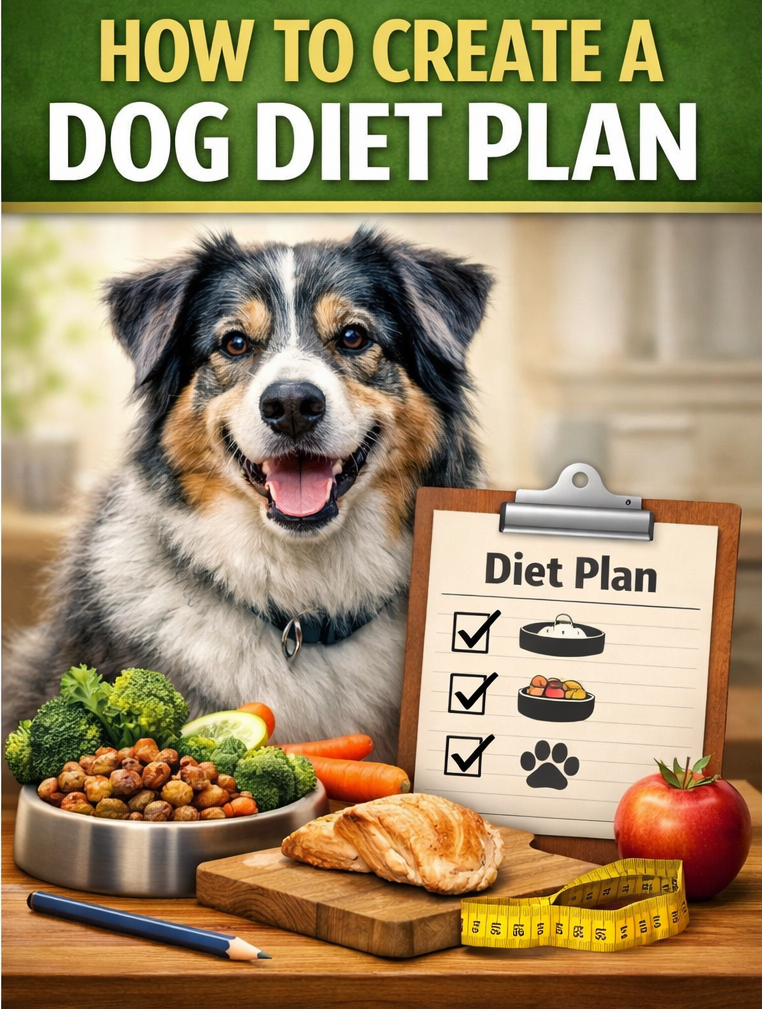
Veterinarians use a more accurate method called the Body Condition Score (BCS). Instead of just looking at the scale, you can “look and feel” to determine if your senior dog is at their ideal weight.
1. The “Look and Feel” Test
Body Condition Score
You can perform a quick assessment at home using these three steps
The Rib Check
Run your hands along your dog’s sides. You should be able to feel the ribs easily with a thin layer of fat over them (like the back of your hand). If they feel like your knuckles when you make a fist, they are too thin. If you have to press hard to find them, they are overweight.
The Overhead View
Look down at your dog while they are standing. You should see a noticeable waistline—an inward “hourglass” curve behind the ribs. If they look like a continuous cylinder or a sausage, they are likely overweight.
The Profile View
Look at your dog from the side. The abdomen should have a “tummy tuck” (it should slope upward from the end of the ribcage toward the hind legs). A flat or sagging belly is a sign of excess weight.
2. Breed Weight Reference
If you want a numerical starting point, here are the general healthy ranges for common breeds. If your dog is a mix, look for the breed they most resemble in frame
Small
Chihuahua, Yorkie, Toy Poodle2–12 lbs
Medium
Beagle, Cocker Spaniel, Border Collie20–50 lbs
Large
Golden Retriever, Lab, German Shepherd55–80 lbs
Giant
Great Dane, Mastiff, Saint Bernard100–150+ lbs
Special Consideration For Senior Dogs
Muscle vs. Fat
Senior dogs often lose muscle mass (atrophy) in their hindquarters. Even if the number on the scale stays the same, they may actually be “fatter” because muscle is being replaced by fat.
Arthritis
Extra weight is much harder on a senior dog’s joints. Even being 5–10% overweight can significantly increase pain and decrease mobility.
The 10% Rule
If your senior dog loses or gains more than 10% of their body weight suddenly, it’s worth a vet visit, as this is often the first sign of age-related issues like kidney disease or thyroid changes.
Can My Dog Be Overweight Yet Healthy
It is surprisingly common for owners to hear “he’s a little heavy, but he’s healthy” from a vet. This often happens because, in a clinical setting, if your dog’s blood work is clear and they aren’t limping yet, they aren’t technically “sick.”
However, in senior dogs, being “healthy but overweight” is often a state of silent inflammation.
1. The “Fat Pet Gap”
There is a documented phenomenon called the “fat pet gap.” Because over 50% of dogs in the U.S. are overweight, our eyes have become accustomed to seeing “heavier” dogs as the norm.
The Vet’s Perspective
Vets sometimes hesitate to emphasize weight if the owner seems sensitive about it or if there are more pressing immediate issues (like a dental cleaning or a growth).
The Reality
A landmark 14-year study by Purina proved that dogs kept at an “ideal” lean weight lived an average of 1.8 to 2 years longer than their slightly overweight littermates. For a senior dog, those two years are a massive portion of their remaining life.
2. Why “A Little Extra” is Riskier for Seniors
Even if your dog seems energetic now, excess fat isn’t just “stored energy”—it’s biologically active tissue that pumps out inflammatory hormones.
The Arthritis Accelerator
Extra weight doesn’t just hurt the joints; the inflammation from fat tissue actually degrades the cartilage faster.
The Respiratory Burden
Senior dogs often have weaker hearts or collapsing airways. Carrying extra “insulation” makes it harder for them to expand their chest to breathe and harder to cool down in the heat.
Organ Strain
Fat can accumulate around internal organs, including the heart and liver, forcing them to work harder at a time when they are naturally becoming less efficient.
How to Approach This With Your Vet
Next time you visit, instead of asking “Is my dog healthy?”, try asking for a specific Body Condition Score on a scale of 1–9.
- A score of 5/9 is ideal.
- If your vet says 6/9 or 7/9, they are likely using “healthy” to mean “not in crisis,” but your dog would likely benefit from losing a few pounds to protect their joints.
How to Trim Down an Overweight Senior Dog With Arthritis
Helping a senior dog with arthritis lose weight requires a “low and slow” strategy. Because high-impact exercise (like running or long hikes) can cause flare-ups, the focus shifts heavily toward precise calorie management and buoyancy-based movement.
Here is a step-by-step guide to trimming down an arthritic senior
1. The “Green Bean Diet” Trick
The hardest part of weight loss is the “begging.” Since you have to cut their kibble, your dog will feel hungry.
The Swap
Replace 10–20% of their daily kibble with low-sodium canned green beans (rinsed) or steamed frozen ones.
The Benefit
Green beans are mostly water and fiber. They add “bulk” to the stomach so your dog feels full, but they have almost zero calories.
Treat Audit
Switch commercial treats for tiny pieces of cucumber, celery, or carrot.
2. High-Protein, Low-Calorie Nutrition
Senior dogs actually need more protein than younger dogs to prevent muscle wasting (sarcopenia), but they need fewer calories.
Prescription Mobility Diets
Foods like Hill’s Metabolic + Mobility or Royal Canin Satiety + Mobility are specifically engineered for this. They contain high levels of Omega-3s (to fight inflammation) while keeping calorie density low.
Watch the Oils
If you add fish oil for their joints, remember it is pure fat. One tablespoon can be 100+ calories. If you use oil, you must reduce their food portion to compensate.
3. Exercise: The “Micro-Walk” Method
Long walks lead to “exercise-induced lameness” in arthritic dogs. Instead, use frequency over duration:
Three 10-minute walks
Are much better for an arthritic dog than one 30-minute walk. It keeps the joints lubricated without “wearing them out.”
Sniffari
Let them spend half the walk just sniffing. Sniffing lowers their heart rate and provides mental stimulation that burns energy without physical strain.
4. Hydrotherapy: The “Magic Bullet”
If your dog is significantly overweight and struggling to walk, land exercise might be too painful.
Underwater Treadmills
Many rehab vets have these. The water supports up to 60–80% of their body weight, allowing them to walk and build muscle without any impact on their joints.
Heat Benefit
The water is usually kept warm (80–90°F), which increases blood flow to stiff muscles.
5. At-Home “Physical Therapy”
You can help them burn calories and build joint-supporting muscle without even leaving the house
Cookie Stretches
Have your dog stand, then lead their nose with a treat toward their shoulder, then their hip, then between their front legs. This encourages “core engagement” and flexibility.
Slow-Step Obstacles
Lay a few broomsticks on the floor and walk your dog slowly over them. This forces them to consciously lift each leg, building the stabilizing muscles around the joints.
Jeffs Success Tip: Use a Scale
Don’t use a measuring cup; use a digital kitchen scale. Measuring by volume (cups) can vary by up to 20% depending on how the kibble settles. Weighing the food in grams ensures they get the exact same amount every day.
Dawg Solutions Helpful Pages
- Understanding Aging Dogs
- Relaxed & Secure
- Home Adjustments for Older Dogs
- Comfort & Mobility for Older Dogs
Dawg Solutions is dedicated to providing you with educational content for older dogs, not that you can’t use the information for younger dogs but its focusing on dog owners with senior dogs.
Aussie & Jeffs Favorite Onine Resources

Managing a senior dog’s weight while dealing with arthritis requires a delicate balance. You need to reduce the “load” on their joints without causing muscle loss (sarcopenia), which often happens in older pets.
Here are the most reputable online resources and tools to help you navigate this
The Gold Standard: Association for Pet Obesity Prevention
This is the leading organization dedicated specifically to this issue. Their resources are practical and evidence-based.
Includes tips on managing begging behavior and how to use the “few kibbles” trick to satisfy a hungry dog without adding calories.
Specialized Arthritis Support: Canine Arthritis Resources & Education
While many sites focus on weight, CARE focuses on the intersection of weight and joint pain.
A comprehensive guide to managing Osteoarthritis. It helps you distinguish between “just getting old” and “joint pain” and offers a “From Slouch to Strong” plan for posture-based recovery.
Supplement Reviews
They offer unbiased looks at whether things like Glucosamine or Omega-3s actually work for weight-restricted senior dogs.
Tufts University “Petfoodology”
The Cummings School of Veterinary Medicine at Tufts runs a blog specifically for owners who want to geek out on the science of pet food.
This is great if your dog has hit a “plateau” where they stop losing weight even though you’ve cut their food.
Muscle Condition Score Video
They have a specific video on how to check if your dog is losing muscle (which is bad) versus losing fat (which is good).
American Animal Hospital Association
The AAHA provides the guidelines that most vets use in their own clinics.
These guidelines explain why senior dogs actually need more high-quality protein even when they are on a “diet,” to help keep their muscles strong enough to support arthritic joints.
A Quick “Rule of Thumb”
As you look through these, keep the “3–5% Rule” in mind. Most of these resources agree that a safe weight loss goal for a senior dog is losing 3–5% of their total body weight per month. Anything faster can be hard on an older dog’s metabolism.
Aussie & Jeff Shares
When you can’t rely on a long run to burn off calories, you have to get creative with how your dog “works” and eats. Trimming down an arthritic dog is 90% kitchen management and 10% “stealth” movement.
Here are a few specific tricks to help them lose weight without stressing their joints
1. The “Invisible” Workout
Since walking on pavement can be painful, use different textures to build muscle without impact
The High-Pile Rug Walk
If you have a plush rug or grass, have your dog walk across it slowly. The uneven, soft surface forces them to engage their core and stabilizing muscles more than flat tile or pavement does.
2. Slow Down the “Gulp”
If your dog finishes their meal in 30 seconds, their brain doesn’t have time to register that they are full.
The Muffin Tin Trick
Flip a muffin tin upside down and spread their kibble between the bumps. They have to use their tongue and nose to get each piece, extending a 30-second meal into a 5-minute activity.
The “Kibble Scatter”
If they can stand comfortably, scatter their kibble across a clean floor or a “snuffle mat” (a fabric mat with felt strips). This turns mealtime into a low-impact “scent game” that burns mental energy, which is just as tiring for seniors as physical exercise.
3. Smart Swaps for “Fullness”
Senior dogs on diets often act like they are starving. You can use “bulky” low-calorie fillers to keep them satisfied
Frozen Canned Pumpkin
Put a dollop of pure canned pumpkin (not pie filling!) in an ice cube tray and freeze it. It’s high in fiber, low in calories, and takes them a long time to lick through.
Warm Water/Broth Soak
Soak their kibble in warm water or low-sodium bone broth for 20 minutes before feeding. It expands the food and makes the meal feel much larger and more “stew-like” without adding significant calories.
4. The “Attention for Food” Swap
Many senior dogs beg because they’ve learned that “sad eyes = snack.”
The Redirection
When they beg, give them a 2-minute massage or a gentle brushing instead of a treat. Most of the time, they are looking for interaction. If they still want a treat, use a single piece of frozen blueberry or a slice of cucumber.
5. Adjust the “Load”
Raise the Bowls
If your dog has arthritis in their neck or front legs, they might “hunch” to eat, which is painful. Elevating their food bowl to chest height makes eating more comfortable, which reduces the stress they feel during mealtimes.
Non-Slip Surfaces
If you have hardwood or tile, your dog is constantly “micro-tensing” their muscles just to stay upright. Putting down yoga mats or runners creates a “safe zone” where they can move more confidently, which encourages them to be slightly more active indoors.
Dawg Solutions is an educational website focusing on helping dog owers with older dogs with arthritis and mobility issues live a fuller and happier life.
Thank you for supporting Dawg Solutions and reading ” How Much Should My Dog Weigh”,
Jeff/ Dawg Solutions
Amazon Disclosure
As an Amazon Associate, I earn from qualifying purchases. Any Amazon links used throughout this website may earn a commission when you purchase through them.
Aussie & Jeffs Promise to You
You will never find any affiliate links in any of my step-by-step guides on any of my websites, I feel that my guides are to educate you, not push products & services at you.
Thank you for reading ” How Much Should My Dog Weigh”,
Jeff
- Learn How Comfort Dog Products Help Reduce AnxietyLearn how comfort dog products help reduece anxiety more than you might realize. Aussie has always been an anxious dog ever since a pup, but by me using comfort dog products his anxiety has been reduces much less. Affiliate Disclosure Amazon + Friends Affiliate Disclosure: Some of the links on this website may be affiliate … Read more
- Trusted Senior Dog Arthritis Comfort SolutionsTrusted senior dog arthritis comfort solutions support, this is something many owners will want to know for when their dog becomes older in age. Just like most of us, our dogs more likely will experience arthritis. We know how uncomfortable it makes us feel, so we will want to do everything within our power to … Read more
- Do Older Dogs Need Less Protein For Weight ManagementDo older dogs need less protein for weight management might be on your mind. We are going to address that question with answers on Dawg Solutions for you. So if you are interested in managing the weight of your older dog, you will want to read what I have found out for you. Affiliate Disclosure … Read more
- The Best 5 Signs My Senior Dog Is In PainThe best 5 signs my senior dog is in pain can be difficult for some dog owners, we are going to educate ourselves on how to watch for the signs that our older dog might be in pain. From one dog owner to another, this can be very important in caring for an aging dog. … Read more
- Simple Dog Weight Loss Tips For Owners SuccessSimple dog weight loss tips for owners success concerned about their older dogs weight. We all seem to gain weight as we become older in age, and our senior dogs are often no different than we are. Managing their weight is as important for them as it is for us, so weight loss tips for … Read more
A healthy dog’s weight depends mainly on breed, size, age, and sex, so there isn’t one single “right” number. You have given a number of great tests that the vets use to check and see if your dog is the right weight for his size and breed.
I find it is easy to tell if your dog is under or overweight, but not if it is the perfect weight. For the first two you just need to look at the do to see, I think the onus is on you as the owner to make sure that your dog does not get overweight, as it can shorten their lives and make them uncomfortable, especially with the extra weight on the joints. The best bet if you are unsure is to visit your vet at least once a year so he can keep an eye on things and give you recommendations appropriate to your dog.
Thank you for sharing Michel
I make sure Aussise sees his vet at least once a year for shots and bloodwork, he is a little on the chubby side but healthy according to his vet. I am in the process of slowly cutting back on his food and treats, he does not eat that much actually, but with his arthritis he isn’t able now to walk as far as we used to.
Thank you for sharing
Jeff