
A Gentle Guide for Dogs Entering Their Senior Years
Welcome to Dawgy Talk, a special corner of Dawg Solutions created for dog owners who are beginning to notice small changes in the dogs they love — and want to do the right thing without panic, guilt, or overwhelm.
If you’re here, chances are your dog isn’t a puppy anymore. Maybe their muzzle is turning gray. Maybe they’re slower getting up, hesitant on stairs, or choosing shorter walks. These moments can be emotional — because they remind us that time is moving faster for them than it is for us.
You’re not alone. And you’re in the right place.
Why Dawgy Talk Exists
Dawgy Talk was inspired by my own dog, Aussie.
As Aussie began showing early signs of aging — a grey muzzle and slight mobility issues — I found myself asking the same questions many dog owners do:
- Is this normal aging or something I should worry about?
- How can I keep him comfortable without overreacting?
- What changes should I expect next?
I realized how little clear, calm guidance exists for dog owners whose dogs are just beginning to age — not critically ill, not in crisis, but clearly changing.
That’s why Dawgy Talk was created:
to help you understand what’s happening, what’s normal, and how to support your dog with confidence and compassion.
Understanding What to Expect as Your Dog Begins Aging
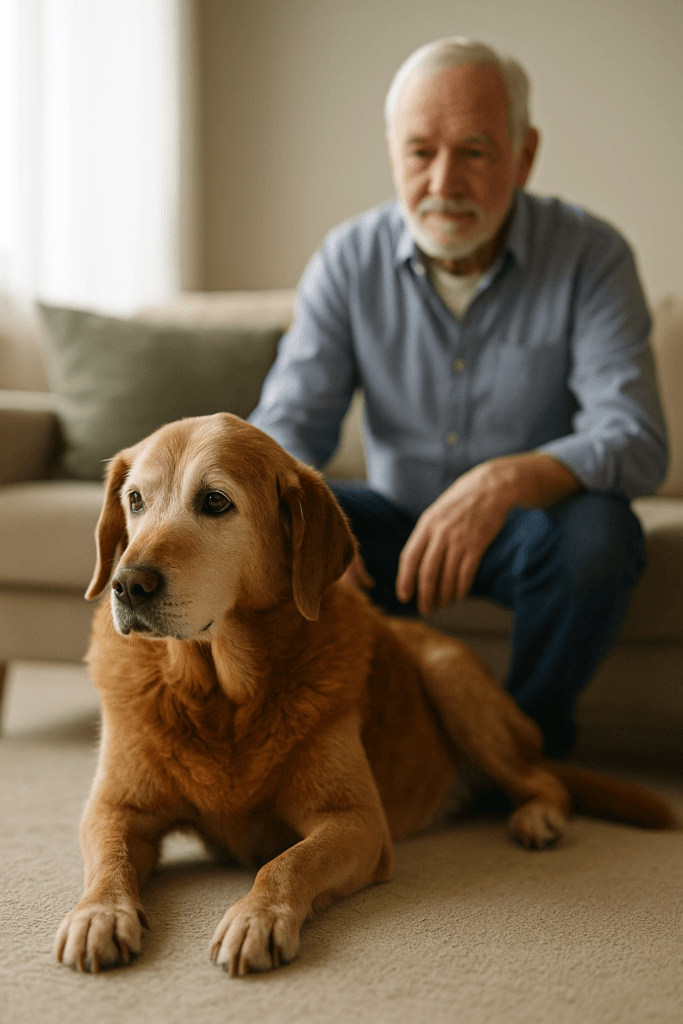
Dogs don’t suddenly become “old” overnight. Aging is a gradual process, and the early signs are often subtle.
You may notice:
- A greying muzzle or whitening around the eyes
- Stiffness after resting or slower movement
- Hesitation before jumping or climbing stairs
- Longer naps and lower energy
- Changes in behavior, such as clinginess or mild anxiety
These changes don’t automatically mean something is wrong. In many cases, they’re simply signs that your dog’s body — and sometimes mind — is adjusting to a new stage of life.
The key is awareness, not fear.
Understanding what’s normal helps you respond thoughtfully instead of emotionally. It allows you to make small adjustments — softer bedding, gentler exercise, better routines — that can dramatically improve your dog’s comfort and quality of life.
What You’ll Find Here at Dawgy Talk
Dawgy Talk is designed to be:
- Educational, not alarming
- Gentle, not judgmental
- Supportive, not salesy
Here, we’ll talk about:
- Early signs of aging and what they mean
- Comfort and mobility tips for senior dogs
- When to observe vs. when to talk to the vet
- Simple changes that make a big difference
- Emotional support for owners loving an aging dog
Everything is written with senior dog owners in mind — especially those who want trustworthy information without medical jargon or scare tactics.
Aussie n Jeffs Promise to You (and Your Dog)
Aging doesn’t mean the end of joy — it means a shift in how joy looks.
Senior dogs still love deeply, wag happily, and thrive when they feel safe, understood, and cared for. With the right knowledge and mindset, this stage can be one of the most meaningful chapters you share together.
Dawgy Talk is here to walk that path with you — one calm step at a time.
Welcome to the conversation.
You and your dog belong here.
A Note from Aussie
Hi… it’s me.
I’m still the same dog you’ve always known — I just feel a little different these days.
Sometimes my body doesn’t move the way it used to. Getting up can feel stiff, and I might pause before jumping or climbing because I’m not quite sure my legs will listen right away. It can be confusing — and a little scary — when your body changes without asking permission.
I may sleep more now, not because I don’t love our time together, but because my body needs the rest. Loud noises, slippery floors, or sudden changes can make me feel unsure. And sometimes, I stick closer to you — not because I’m needy — but because you help me feel safe when things feel unfamiliar.
I don’t always understand what’s happening inside my body or mind. I just know that patience, gentle voices, familiar routines, and your presence mean everything to me right now.
Please don’t worry — I’m not giving up.
I’m just learning how to be older.
And if you walk beside me — even a little slower — I promise my tail will still wag for you.
Love,
Aussie
A Gentle Reassurance
If you’re feeling guilty, scared, or worried that you’re missing something — please know this: the fact that you’re here means you’re doing a good job.
Loving an aging dog can stir up a lot of emotions. It’s normal to question yourself, to wonder if you should have noticed things sooner, or to fear what comes next. But aging isn’t something you caused — it’s something you’re walking through together.
Your attention, your patience, and your willingness to learn are powerful forms of care. Small, thoughtful steps matter more than perfect decisions. And your dog doesn’t need you to have all the answers — they just need you.
You’re not failing them.
You’re showing up — and that means everything.
Early Signs of Aging
What’s Normal vs. What Needs Attention
Noticing changes in your dog can bring up a lot of questions — and sometimes fear. Is this just aging… or is something wrong?
The truth is, many early signs of aging are normal and manageable, while others deserve a closer look. This guide will help you understand the difference — without panic.
What’s Usually Normal as Dogs Begin to Age
Aging doesn’t arrive all at once. Most dogs ease into their senior years with subtle, gradual changes.
A Greying Muzzle or Face
White or gray fur around the muzzle, eyes, or eyebrows is often one of the first visible signs of aging. This is completely normal and doesn’t indicate pain or illness.
Slower Movement or Mild Stiffness
Your dog may take longer to get up after resting, stretch more, or move cautiously at first — especially in the morning or after naps. Mild stiffness that improves with movement is common.
Sleeping More Than Before
Senior dogs often need more rest. Longer naps and earlier bedtimes are usually part of healthy aging.
Shorter Walks, Same Joy
Your dog may still love walks but prefer shorter distances or slower pacing. Enthusiasm with less stamina is very typical.
Small Behavior Shifts
Some dogs become more affectionate, clingy, or sensitive to changes in routine. Mild anxiety or hesitation can occur as awareness and confidence shift.
These changes usually happen gradually and don’t dramatically affect your dog’s quality of life.
Signs That Deserve Extra Attention (But Not Panic)
Some changes aren’t emergencies — but they do deserve a conversation with your veterinarian.
Persistent Limping or Pain
If stiffness doesn’t improve with movement, or if your dog avoids using a limb, this could indicate arthritis or injury.
Sudden Behavior Changes
Confusion, disorientation, pacing at night, or unexplained fear may signal cognitive changes or discomfort.
Appetite or Weight Changes
A noticeable loss of appetite, sudden weight loss, or excessive weight gain isn’t just “getting older” and should be checked.
Changes in Bathroom Habits
Accidents, straining, or significant changes in frequency can indicate medical issues that are often treatable when caught early.
Ongoing Fatigue or Withdrawal
If your dog loses interest in favorite activities or seems withdrawn for extended periods, it’s worth investigating.
These signs don’t mean the worst — they mean it’s time to ask questions.
Aging Dogs: What’s Normal vs. What Needs Attention
Normal Aging Changes Needs a Closer Look Greying around the muzzle or face Sudden or rapid changes in appearance Slower movement when getting up, especially after rest Limping, crying, or stiffness that does not improve Sleeping more during the day Extreme fatigue or withdrawal from favorite activities Preferring shorter walks Refusing to walk or move Mild stiffness that eases with movement Ongoing pain or reluctance to use a limb Occasional hesitation on stairs or furniture Frequent falls or loss of balance Slight increase in anxiety or clinginess Disorientation, pacing, or confusion Normal appetite with minor changes Loss of appetite or sudden weight changes Occasional accidents Repeated or worsening bathroom issues
Trusting Your Instincts Without Second-Guessing Yourself
You know your dog better than anyone.
If something feels “off,” you’re not overreacting by paying attention. At the same time, noticing normal aging signs doesn’t mean you’ve missed something or waited too long.
The goal isn’t perfection — it’s awareness.
How Dawgy Talk Helps You Navigate Aging With Confidence
At Dawgy Talk, we focus on:
- Understanding changes without fear
- Supporting comfort and mobility early
- Knowing when observation is enough
- Knowing when to ask for help
Aging doesn’t mean your dog’s best days are behind them — it means their needs are evolving.
And you’re evolving right along with them.
A Gentle Reminder
If you’re reading this and feeling worried, uncertain, or emotional — that’s love talking.
You’re doing the right thing by learning, observing, and showing up.
Your dog feels that.
Aussie’s Corner: What Aging Feels Like From a Dog’s Point of View

Hi… it’s me again — Aussie.
I want to tell you what aging feels like for us dogs, because sometimes it’s hard to explain without words.
Most days, I still feel like me. I still love my food, my walks, and being near you. But inside my body, things feel a little different than they used to — and that can be confusing.
My Body Feels Slower, Even When My Heart Is Ready
Sometimes my legs don’t move as quickly as my mind wants them to. I know where I want to go — I just need a moment to get there. Stairs can look taller. Floors can feel slippery. Jumping takes more thought now.
I’m not being stubborn.
I’m being careful.
Little Aches Can Feel Big to Me
I might not cry or whine when something hurts. Dogs are good at hiding discomfort. But stiffness, sore joints, or tired muscles can make me hesitate — especially after resting.
When you give me time to stretch or help me get comfortable, it means more than you know.
My World Can Feel a Bit Less Certain
As I age, sounds can seem louder, lights a bit brighter, and changes more unsettling. New routines, unfamiliar places, or sudden movements might make me anxious — even if they didn’t before.
If I stick closer to you, it’s because you make things feel steady again.
I Rest More — Not Because I’m Done Living
I sleep more now because my body needs it, not because I’m sad or giving up. Rest helps me enjoy the moments we do share even more.
Quiet time with you still counts as together time.
What Helps Me the Most
You don’t need to fix everything.
What helps me most is:
- Patience when I move slowly
- Gentle voices and familiar routines
- Soft places to rest
- Your presence — especially when I seem unsure
I don’t need perfection.
I just need to feel safe, understood, and loved.
From Me to You
If you ever worry that you’re not doing enough, please know this:
I don’t measure my life by how fast I move or how far I walk.
I measure it by how safe I feel next to you.
And right now — that’s everything.
Love,
Aussie
Comfort & Mobility
Simple Changes That Make a Big Difference
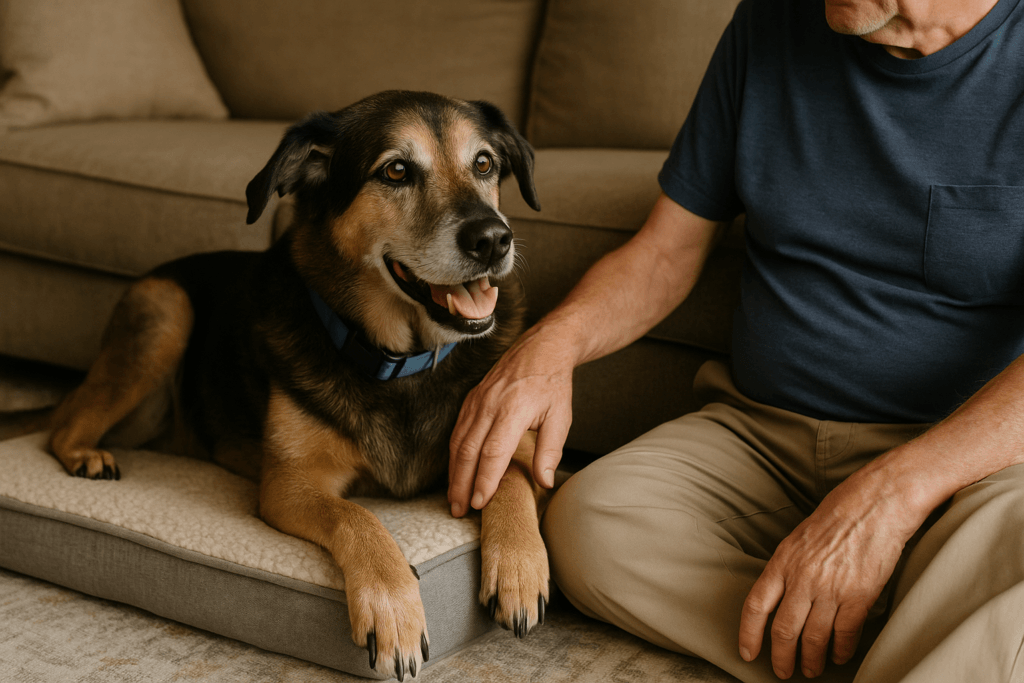
When dogs begin to age, comfort and mobility become closely connected. The good news? You don’t need expensive equipment or major lifestyle changes to help your dog feel better. Often, it’s the small, thoughtful adjustments that make the biggest difference.
This guide focuses on simple ways to support your dog’s comfort, confidence, and movement — without overwhelm.
Start With Their Everyday Environment
As dogs age, things they once navigated easily can become uncomfortable or even stressful.
Softer, Supportive Resting Areas
Senior dogs benefit from beds that cushion joints and support aging bodies. Look for:
- Firm but padded surfaces
- Low sides or easy step-in designs
- Warm, draft-free placement
Even adding an extra folded blanket can reduce pressure on sore joints.
Safer Floors = More Confidence
Slippery floors can make older dogs hesitant to move.
Simple fixes include:
- Area rugs or runners in high-traffic areas
- Non-slip mats near food bowls and doorways
- Keeping nails trimmed for better traction
When your dog feels steady, they move with less fear.
Gentle Movement Matters More Than Speed
Aging dogs still need movement — just in kinder ways.
Shorter, More Frequent Walks
Instead of one long walk, try shorter walks spread throughout the day. This helps keep joints flexible without overdoing it.
Let your dog set the pace. Sniffing, stopping, and strolling are all part of healthy movement.
Warm-Up and Cool-Down Time
Just like us, older dogs need a moment to get going.
- Allow slow starts after resting
- Gentle stretching through movement
- Calm, quiet time after activity
Rushing can increase stiffness and discomfort.
Make Daily Tasks Easier
What once seemed effortless may now require more effort.
Help With Stairs and Furniture
If your dog hesitates on stairs or jumps:
- Add ramps or pet steps
- Lift gently when needed
- Block unsafe areas to prevent slips
Needing help doesn’t mean loss of independence — it means smart support.
Raise Food and Water Bowls
Elevated bowls reduce strain on the neck and joints, especially for dogs with arthritis or stiffness.
This simple change can make mealtime much more comfortable.
Comfort Isn’t Just Physical
Mobility and comfort are closely tied to emotional well-being.
Predictable Routines Reduce Stress
Aging dogs feel safer when they know what to expect.
Consistent:
- Feeding times
- Walk schedules
- Bedtime routines
Familiar patterns help reduce anxiety and hesitation.
Gentle Communication Matters
Speak calmly. Move slowly. Offer reassurance.
Your tone and presence can ease uncertainty just as much as physical adjustments.
Progress, Not Perfection
You don’t need to do everything at once.
Even one or two small changes can:
- Reduce pain
- Increase confidence
- Improve quality of life
Watch how your dog responds and adjust gently over time.
A Quiet Reminder for You
Helping your dog age comfortably isn’t about fixing them — it’s about walking beside them differently.
Your patience, awareness, and willingness to adapt are acts of deep love.
And your dog feels every one of them.
You’re Doing More Than You Realize
Caring for an aging dog isn’t about having all the answers — it’s about paying attention, making small adjustments, and showing up with patience and love. Every soft bed, slower walk, and quiet moment of reassurance adds up in ways your dog feels deeply, even if they can’t say it out loud.
Aging doesn’t take away your dog’s joy — it simply changes how that joy is experienced. And with the right knowledge and support, this stage of life can be just as meaningful as any other.
You don’t have to walk this path alone.
Trusted Ways to Learn More About Caring for an Aging Dog
If you’d like to continue learning at your own pace, these resources can help deepen your understanding and confidence:
Educational & Veterinary Resources
- American Kennel Club (AKC) – Senior dog care and aging insights
- ASPCA – Health, behavior, and comfort guidance for older dogs
- Veterinary Partner – Vet-reviewed articles written in plain language
These sources offer reliable, science-based information without unnecessary alarm.
Continue Exploring Here at Dawgy Talk
We’ve created Dawgy Talk to be a calm, supportive place where learning feels reassuring — not overwhelming. You may find these pages especially helpful:
- Understanding Aging Dogs
Learn what physical and behavioral changes are normal as dogs enter their senior years. - Early Signs of Aging — What’s Normal vs. What Needs Attention
A clear, confidence-building guide to recognizing changes without panic. - Comfort & Mobility: Simple Changes That Make a Big Difference
Practical, easy adjustments that help your dog feel safer and more comfortable at home. - When to Talk to the Vet — Without Panic
Gentle guidance on knowing when observation is enough and when it’s time to ask for help. - Aussie’s Corner
A dog’s-eye view of aging, comfort, and feeling safe during change.
Quick Takeaways for Caring for an Aging Dog
You can paste this section in as-is:
- Aging happens gradually — small changes are often normal
- Simple comfort adjustments can improve mobility and confidence
- Shorter, gentler movement is often better than less movement
- Familiar routines help aging dogs feel safe and secure
- You don’t need to do everything at once — small steps matter
- Your patience and presence are powerful forms of care
One Last Thing
If you’re reading this because you care — you’re already doing something right.
Your dog doesn’t need perfection.
They need your presence, your patience, and your love.
And that’s something you’re already giving.
Love,
Aussie n Jeff
Educational Disclaimer
The information shared on Dawgy Talk and Dawg Solutions is intended for educational and supportive purposes only. It is not a substitute for professional veterinary care, diagnosis, or treatment.
Every dog ages differently, and individual needs can vary. If you have concerns about your dog’s health, behavior, or comfort — or if symptoms appear sudden, severe, or concerning — please consult a licensed veterinarian.
Our goal is to help you feel informed, calm, and supported as you care for your aging dog — not to replace the trusted guidance of your veterinary professional.